Fatty Liver Disease in India: Why Cases Are Increasing Rapidly | Causes, Risks & Fatty Liver Treatment: Dr. Ravi Kiran | Diabetologist, Onus Robotic Hospital
A Silent Epidemic Affecting Millions of Indians
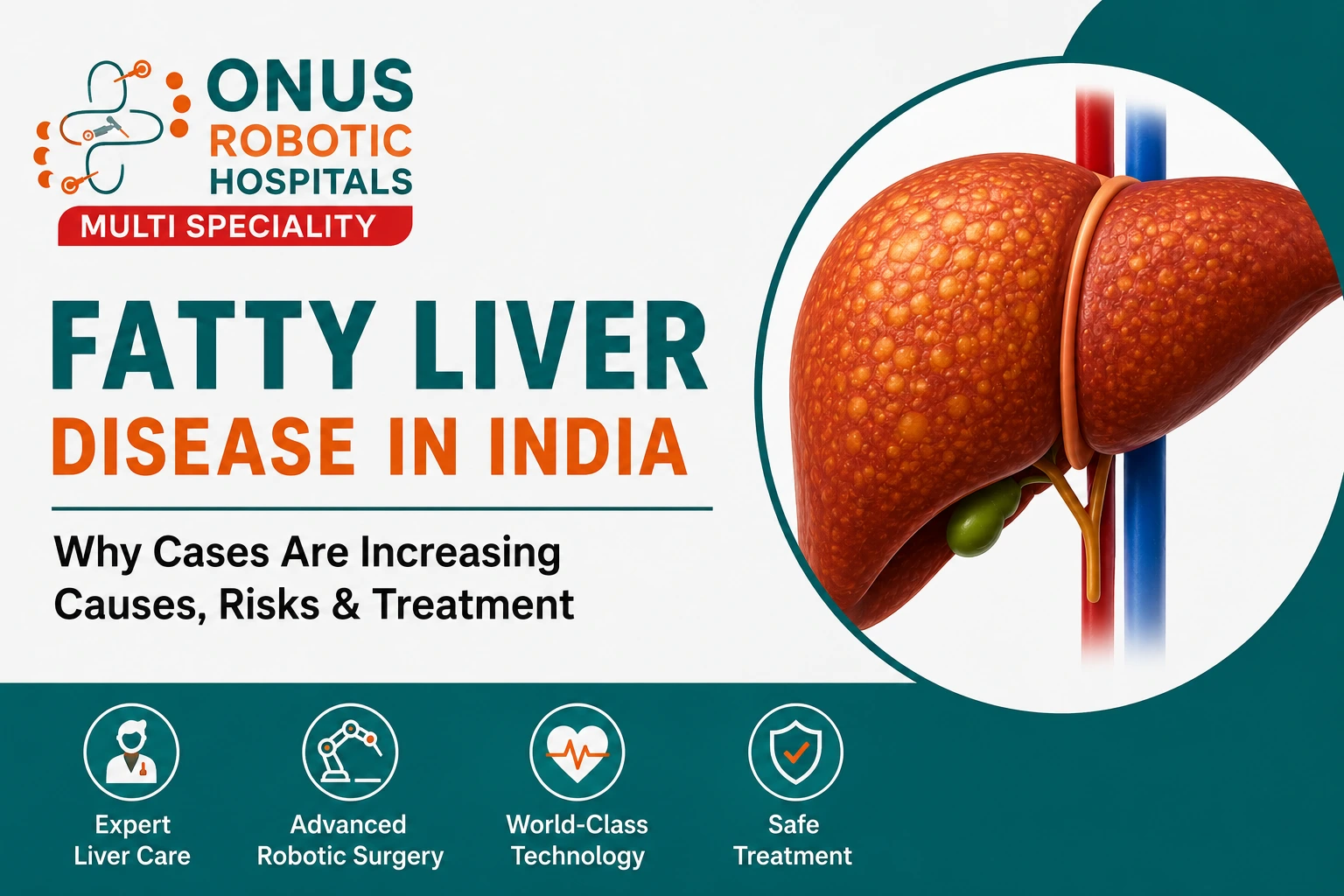
Fatty liver disease has emerged as one of the fastest-growing lifestyle-related health conditions in India. Once considered a problem affecting only a small section of the population, it is now being diagnosed in young adults, middle-aged individuals, and even teenagers.
Medical studies indicate that nearly one in every three Indians may have some degree of fatty liver disease, often without knowing it. The condition usually develops silently and may remain unnoticed for years until significant liver damage has already occurred.
Rapid urbanization, changing dietary habits, reduced physical activity, obesity, and increasing rates of diabetes have contributed significantly to the rise of fatty liver disease in India.
If you have been searching for a fatty liver doctor near me or looking for information about fatty liver treatment, understanding the causes and risks is the first step toward protecting your liver health.
What Is Fatty Liver Disease?
Fatty liver disease occurs when excess fat accumulates inside liver cells. While a small amount of fat in the liver is normal, excessive fat buildup can interfere with liver function and lead to inflammation and scarring.
There are two main types:
Alcoholic Fatty Liver Disease (AFLD)
Caused by excessive alcohol consumption.
Non-Alcoholic Fatty Liver Disease (NAFLD)
Occurs in people who consume little or no alcohol and is now the most common form of liver disease in India.
NAFLD is closely linked to obesity, diabetes, high cholesterol, insulin resistance, and metabolic syndrome.
Why Is Fatty Liver Increasing Rapidly in India?
1. High-Carbohydrate Indian Diet
Many Indian meals contain large amounts of:
- White rice
- Refined flour products
- Sweets and desserts
- Sugary beverages
When the body consumes more carbohydrates than it requires, the excess is converted into fat and stored in the liver.
Over time, this process contributes to fatty liver development.
2. Increased Consumption of Processed Foods
Modern eating habits include:
- Soft drinks
- Packaged juices
- Fast food
- Bakery products
- Processed snacks
These foods often contain high levels of sugar, unhealthy fats, and preservatives that can accelerate liver fat accumulation.
3. Sedentary Lifestyle
Technology-driven lifestyles have reduced physical activity dramatically.
Common risk factors include:
- Desk jobs
- Long sitting hours
- Minimal exercise
- Increased screen time
Lack of movement contributes to weight gain and insulin resistance, both of which are major causes of fatty liver disease.
4. Rising Obesity Rates
India is witnessing an alarming increase in obesity, particularly abdominal obesity.
Excess belly fat releases inflammatory substances and free fatty acids that promote fat accumulation in the liver.
People with central obesity are at significantly higher risk of developing NAFLD.
5. Growing Diabetes and Prediabetes Population
India has one of the largest populations of people living with diabetes.
Insulin resistance is a common factor linking:
- Type 2 diabetes
- Prediabetes
- Obesity
- Fatty liver disease
As diabetes rates continue to rise, fatty liver disease is also becoming increasingly common.
6. Poor Sleep and Chronic Stress
Modern lifestyles often involve:
- Irregular sleep schedules
- Night shifts
- Excessive screen exposure
- Chronic stress
These factors disrupt hormonal balance and metabolism, increasing the risk of obesity, insulin resistance, and fatty liver disease.
Understanding NAFLD (Non-Alcoholic Fatty Liver Disease)
NAFLD refers to fat accumulation in the liver unrelated to alcohol consumption.
It is strongly associated with:
- Obesity
- Type 2 diabetes
- High blood pressure
- High cholesterol
- Metabolic syndrome
NAFLD has now become more common than alcohol-related liver disease in India and is considered a major public health concern.
Who Is at High Risk?
You may be at increased risk of fatty liver disease if you have:
- Type 2 diabetes
- Prediabetes
- Obesity
- Belly fat
- High cholesterol
- High triglycerides
- PCOS
- Hypertension
- Family history of metabolic disorders
- Sedentary lifestyle
Even individuals who appear slim externally can develop fatty liver due to hidden visceral fat and insulin resistance.
Symptoms of Fatty Liver Disease
Many patients experience no symptoms during the early stages.
When symptoms occur, they may include:
- Fatigue
- Weakness
- Mild abdominal discomfort
- Feeling of heaviness on the right side of the abdomen
- Unexplained weight gain
- Difficulty losing weight
Because symptoms are often absent, regular health checkups play an important role in early detection.
Why Fatty Liver Should Not Be Ignored
Fatty liver is often viewed as a harmless condition, but untreated disease can progress through several stages.
Simple Fatty Liver
Fat accumulates without significant inflammation.
NASH (Non-Alcoholic Steatohepatitis)
Fat accumulation is accompanied by liver inflammation and cell damage.
Liver Fibrosis
Persistent inflammation causes scar tissue formation.
Liver Cirrhosis
Advanced scarring permanently damages liver structure and function.
Liver Cancer
Severe liver damage increases the risk of hepatocellular carcinoma.
Fatty liver disease also increases the risk of:
- Heart disease
- Stroke
- Kidney disease
- Metabolic complications
How Is Fatty Liver Diagnosed?
Early diagnosis allows timely intervention and prevents complications.
Ultrasound Abdomen
A simple imaging test that detects fat accumulation in the liver.
FibroScan
A specialized test that evaluates liver stiffness and helps assess fibrosis.
Liver Function Tests (LFT)
Blood tests that evaluate liver health.
Blood Investigations
Additional tests may include:
- HbA1c
- Fasting blood sugar
- Lipid profile
- Liver enzymes
- Fasting insulin levels
A comprehensive evaluation helps determine the severity of the condition and the most appropriate treatment plan.
Can Fatty Liver Be Reversed?
Yes.
The encouraging news is that fatty liver reversal is possible, especially when diagnosed early.
Lifestyle modification remains the most effective treatment approach.
Fatty Liver Treatment Options
Healthy Dietary Changes
Patients are usually advised to:
- Reduce sugar intake
- Avoid sugary beverages
- Limit refined carbohydrates
- Increase protein consumption
- Eat more vegetables and fruits
- Follow a Mediterranean-style diet
Regular Exercise
Physical activity helps:
- Burn excess fat
- Improve insulin sensitivity
- Reduce liver fat accumulation
Recommended activities include:
- Brisk walking
- Cycling
- Swimming
- Strength training
Weight Loss
Research shows that losing 7–10% of body weight can significantly improve fatty liver disease and reduce inflammation.
Medical Management
Patients with associated conditions may require treatment for:
- Diabetes
- High cholesterol
- Obesity
- Metabolic syndrome
Treatment plans should always be individualized and supervised by an experienced liver specialist.
Why Early Treatment Matters
Fatty liver disease develops slowly over many years.
However, once significant fibrosis or cirrhosis develops, the damage may become irreversible.
Early diagnosis and treatment can:
- Reverse liver fat accumulation
- Prevent fibrosis
- Reduce the risk of cirrhosis
- Improve metabolic health
- Lower cardiovascular risk
Frequently Asked Questions
Why is fatty liver increasing in India?
The rise is linked to obesity, diabetes, sedentary lifestyles, high-carbohydrate diets, processed foods, stress, and poor sleep habits.
Is fatty liver common in young adults?
Yes. Increasing obesity and lifestyle changes have made fatty liver disease more common among young adults and even adolescents.
Can fatty liver be cured?
Early-stage fatty liver can often be reversed through lifestyle modifications, weight loss, exercise, and medical management of associated conditions.
Does fatty liver always cause symptoms?
No. Many people have fatty liver disease without any noticeable symptoms, which is why regular health screening is important.
When should I consult a specialist?
If you have obesity, diabetes, abnormal liver tests, or ultrasound findings suggestive of fatty liver, consult a liver specialist for evaluation and treatment.
Final Takeaway
Fatty liver disease is rapidly becoming one of the most common lifestyle disorders in India. Driven by unhealthy dietary habits, obesity, diabetes, and sedentary lifestyles, it often progresses silently without warning signs.
The good news is that early-stage fatty liver is largely preventable and reversible. Timely diagnosis, lifestyle changes, weight management, and expert medical guidance can help prevent serious complications such as liver fibrosis, cirrhosis, and liver cancer.
If you have risk factors for fatty liver disease, do not ignore them. Early assessment and appropriate treatment can protect your liver and improve your long-term health.
Consultation
📍 Dr. Ravi Kiran
Diabetologist & Preventive Medicine Specialist
Onus Robotic Hospital, Hyderabad