Neurophysiology Clinic

Overview

Neurophysiology Clinic – ONUS Robotic Hospitals

The Neurophysiology Clinic at ONUS Robotic Hospitals is a specialized unit dedicated to the evaluation and monitoring of brain, spinal cord, and nerve function using advanced neurodiagnostic technologies.

This clinic plays a crucial role in early diagnosis, treatment planning, and improving surgical safety in patients with complex neurological disorders.


Conditions We Evaluate

Our neurophysiology services support patients with:

  • Epilepsy and seizure disorders

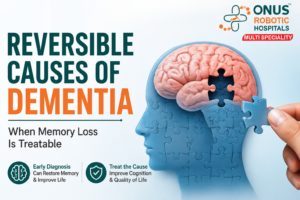
  • Dementia and cognitive disorders

  • Learning and developmental disorders

  • Peripheral neuropathies

  • Sensory disturbances

  • Neuromuscular disorders

  • Brain and spinal cord conditions


Advanced Neurophysiological Monitoring

At ONUS, we use specialized techniques to record and analyze electrical signals from the nervous system:

  • Brain (EEG-based monitoring)

  • Spinal cord pathways

  • Peripheral nerves and muscles

These technologies help in accurate diagnosis and real-time assessment of neurological function.


Intraoperative Neuro Monitoring (IONM)

One of the key strengths of our clinic is real-time monitoring during brain and spine surgeries.

By continuously tracking nerve and brain activity, our specialists can:

  • Detect early signs of neurological injury

  • Alert surgeons instantly

  • Help modify surgical approach in real time

  • Prevent permanent neurological deficits

πŸ‘‰ This significantly improves surgical safety and patient outcomes


Functional Brain Mapping

ONUS also offers advanced functional brain mapping, especially in complex neurosurgeries.

This technique involves:

  • Direct stimulation of brain areas

  • Recording brain wave activity

  • Identifying critical functional regions (speech, movement, sensation)

This allows surgeons to remove abnormal tissue while preserving essential brain functions.


What Sets ONUS Apart

  • Advanced neurophysiology and monitoring systems

  • Integration with neurosurgery and neurocritical care

  • Real-time intraoperative safety monitoring

  • High precision in diagnosis and surgical planning

  • Focus on preventing complications and improving outcomes


Our Goal

At ONUS Robotic Hospitals, the Neurophysiology Clinic ensures that every neurological condition is accurately diagnosed and every surgical procedure is performed with maximum safety and precision.

Treatments & Procedures

Neurophysiology Clinic – Treatments & Procedures

At ONUS Robotic Hospitals, the Neurophysiology Clinic plays a critical role in diagnosis, surgical safety, and advanced neurological treatment through real-time monitoring of brain and nerve function.

Our focus is simple:
πŸ‘‰ Detect early β†’ Prevent damage β†’ Improve outcomes


Intraoperative Neurophysiological Monitoring (IONM)

IONM is an advanced technique used during surgeries to continuously monitor brain, spinal cord, and nerve function in real time.

Why IONM is Important

  • Detects early signs of nerve or brain injury

  • Allows surgeons to act immediately

  • Reduces risk of paralysis, stroke, or neurological deficits

  • Improves surgical precision and safety

πŸ‘‰ Especially critical in brain, spine, vascular, and complex surgeries


Core Monitoring Techniques

Somatosensory Evoked Potentials (SSEP)

  • Monitors sensory pathways of the spinal cord

  • Helps detect spinal cord injury during surgery

  • Proven to reduce post-operative neurological deficits


Motor Evoked Potentials (MEP / TcMEP)

  • Assesses motor pathways controlling movement

  • Critical for preventing paralysis during spine and brain surgeries


Electromyography (EMG)

  • Monitors muscle and nerve activity

  • Detects nerve irritation or injury in real time


Electroencephalography (EEG)

  • Continuous brain activity monitoring

  • Used in epilepsy, coma, and vascular surgeries

  • Helps detect reduced brain blood flow and seizure activity


Brainstem Auditory Evoked Potentials (BAEP)

  • Evaluates brainstem and auditory pathways

  • Important during skull base and ENT surgeries


Applications of Neurophysiology Monitoring

IONM is used across multiple specialties, including:

  • Brain tumor and epilepsy surgery

  • Spine surgeries (scoliosis, disc, deformity correction)

  • Stroke and vascular procedures (carotid surgery, aneurysm)

  • ENT and skull base surgeries

  • Cardiothoracic and interventional procedures

πŸ‘‰ Helps significantly reduce serious complications like paralysis and stroke


Advanced Procedures Supported

Deep Brain Stimulation (DBS)

  • Used for Parkinson’s disease, tremors, and dystonia

  • Neurophysiology ensures accurate electrode placement

  • Improves outcomes and symptom control


Electrocorticography (ECoG)

  • Direct brain surface recording

  • Helps identify seizure focus during epilepsy surgery

  • Guides safe removal of abnormal brain tissue


Spinal Cord Stimulation (SCS)

  • Advanced therapy for chronic pain conditions

  • Improves quality of life in selected patients


Diagnostic Neurophysiology Services

In addition to surgical monitoring, we offer:

  • Evoked potential studies (SSEP, VEP, BAEP)

  • Continuous EEG monitoring

  • Transcranial Doppler (TCD) studies

  • Peripheral nerve recordings


What Sets ONUS Apart

  • Real-time brain and nerve monitoring during surgery

  • Multimodality neurophysiology expertise

  • Integration with neurosurgery, spine, and vascular teams

  • Focus on preventing complications before they happen

  • Advanced precision in both diagnosis and treatment


Our Goal

At ONUS Robotic Hospitals, the Neurophysiology Clinic ensures that every procedure is safer, smarter, and more preciseβ€”protecting critical brain and nerve functions at every step.

Achievements

Achievements – Neurophysiology Clinic, ONUS Robotic Hospitals

The Neurophysiology Clinic at ONUS Robotic Hospitals is recognized for its commitment to precision diagnostics, surgical safety, and patient-centered neurological care.

With a strong focus on advanced monitoring technologies and expert clinical interpretation, the clinic has built a reputation for delivering accurate diagnosis and safer surgical outcomes.


Key Achievements

  • Excellence in Neurodiagnostics
    Established as a reliable centre for advanced neurophysiological testing, enabling accurate diagnosis of complex neurological conditions.

  • Enhanced Surgical Safety
    Successful integration of intraoperative neurophysiological monitoring (IONM) across multiple surgical specialties, helping reduce the risk of neurological complications.

  • High Patient Care Volume
    Managing a significant number of patients annually with consistent quality and clinical outcomes.

  • Personalized Patient Care
    Known for delivering individualized attention, ensuring patients and families receive clear guidance and confidence in their treatment journey.

  • Multidisciplinary Collaboration
    Close coordination with neurology, neurosurgery, spine, and critical care teams for comprehensive and integrated care.


What This Means for Patients

  • Accurate and timely diagnosis

  • Safer surgical procedures with reduced complications

  • Trusted, patient-focused care

  • Better overall neurological outcomes


Our Commitment

At ONUS Robotic Hospitals, the Neurophysiology Clinic is committed to delivering precision-driven care with compassionβ€”ensuring every patient receives safe, accurate, and high-quality neurological evaluation and treatment.

Technology

Technology – Neurophysiology Clinic

At ONUS Robotic Hospitals, the Neurophysiology Clinic is equipped with advanced diagnostic and intraoperative monitoring technologies that enable precise evaluation of brain and nerve functionβ€”ensuring accurate diagnosis and safer surgical outcomes.


Advanced Neurophysiology Technologies

Quantitative EEG (qEEG)

  • Advanced analysis of brain electrical activity

  • Detects subtle abnormalities not visible on routine EEG

  • Useful in epilepsy, cognitive disorders, and brain function assessment


Functional Brain Mapping

  • Identifies critical brain areas responsible for speech, movement, and sensation

  • Guides surgeons during brain surgery

  • Helps preserve essential neurological functions


Psychometric Testing

  • Comprehensive assessment of memory, cognition, behavior, and intelligence

  • Supports diagnosis of cognitive disorders and pre-surgical evaluation

  • Helps in personalized treatment planning


Intraoperative Fluoroscopy

  • Real-time imaging support during procedures

  • Assists in accurate positioning and surgical guidance

  • Enhances precision in complex interventions


Evoked Potential Monitoring

Continuous monitoring of neural pathways during diagnosis and surgery:

  • Visual Evoked Potentials (VEP) – visual pathway assessment

  • Auditory Evoked Potentials (BAEP) – hearing and brainstem function

  • Somatosensory Evoked Potentials (SSEP) – sensory pathway monitoring

  • Motor Evoked Potentials (MEP) – motor pathway integrity

  • Cognitive Evoked Responses – higher brain function assessment

πŸ‘‰ These technologies help detect early neurological changes and prevent permanent damage during procedures


Why This Technology Matters

  • Improves diagnostic accuracy

  • Enables early detection of neurological disorders

  • Enhances surgical safety and precision

  • Reduces risk of complications

  • Supports better treatment outcomes


What Sets ONUS Apart

  • Integration of advanced diagnostics with surgical monitoring

  • Real-time brain and nerve function tracking

  • Multidisciplinary collaboration across specialties

  • Focus on safety, precision, and outcomes


Our Commitment

At ONUS Robotic Hospitals, we leverage cutting-edge neurophysiology technology to ensure every patient receives accurate diagnosis, safer treatment, and the best possible neurological outcomes.

Blogs