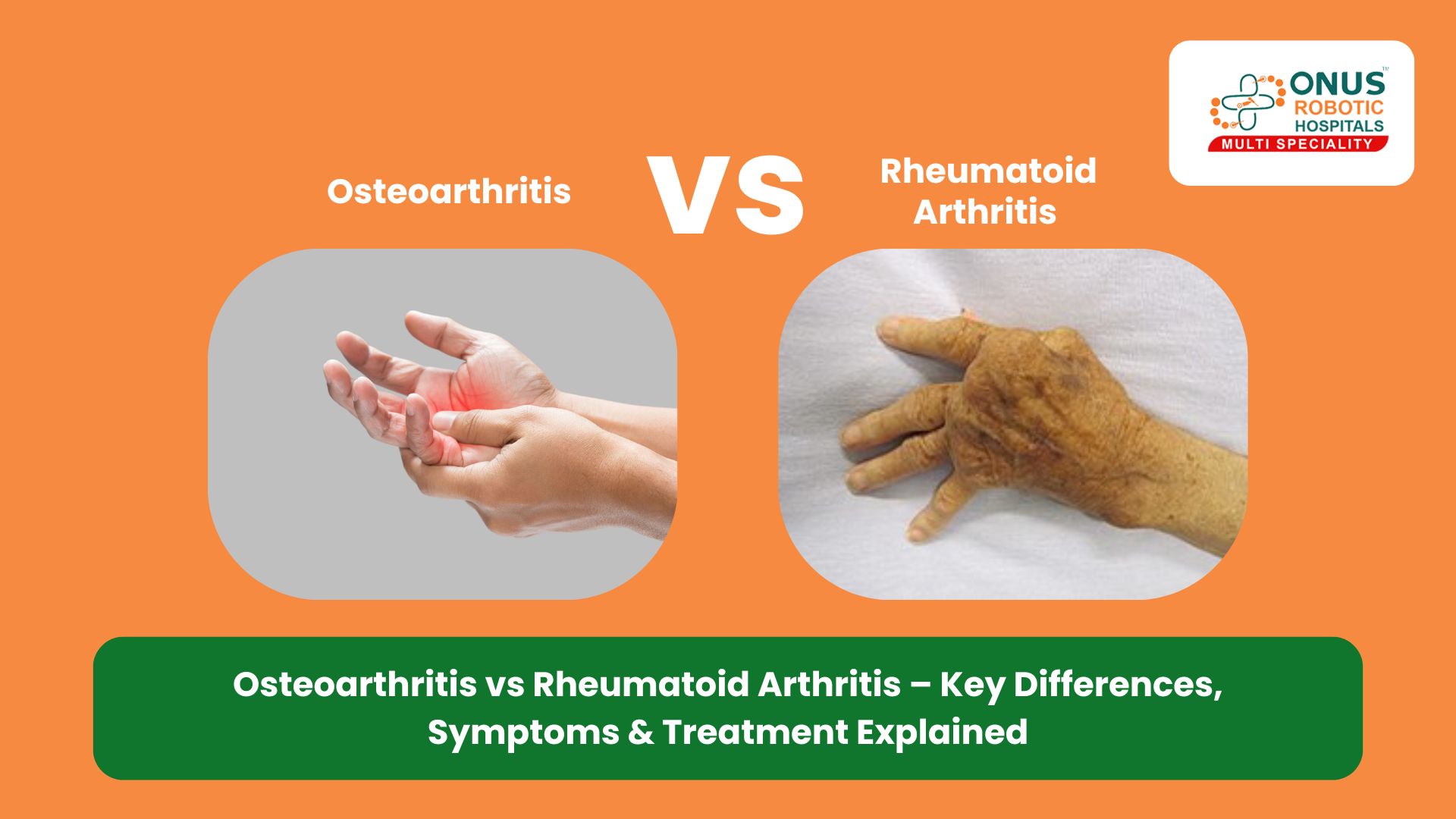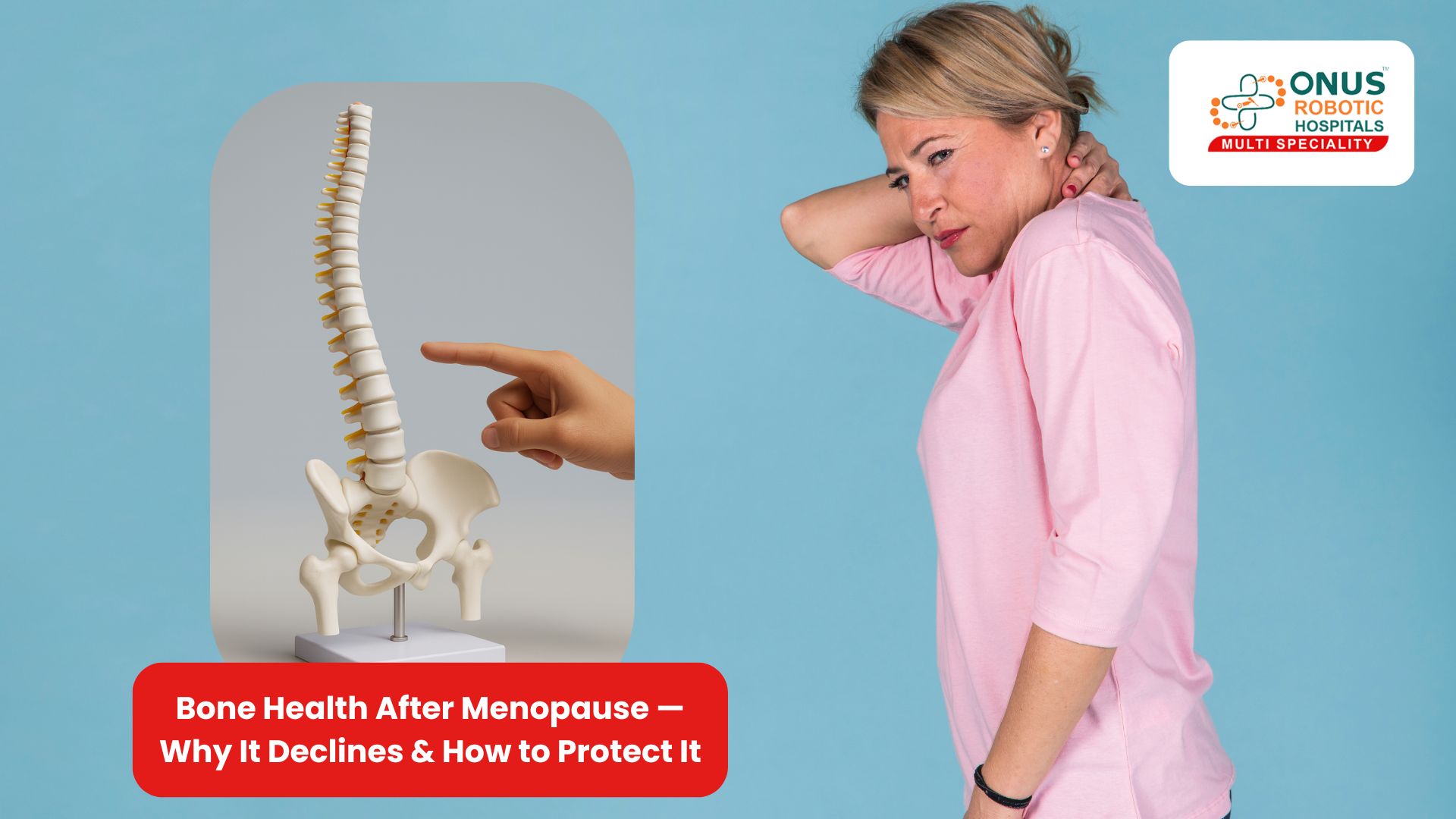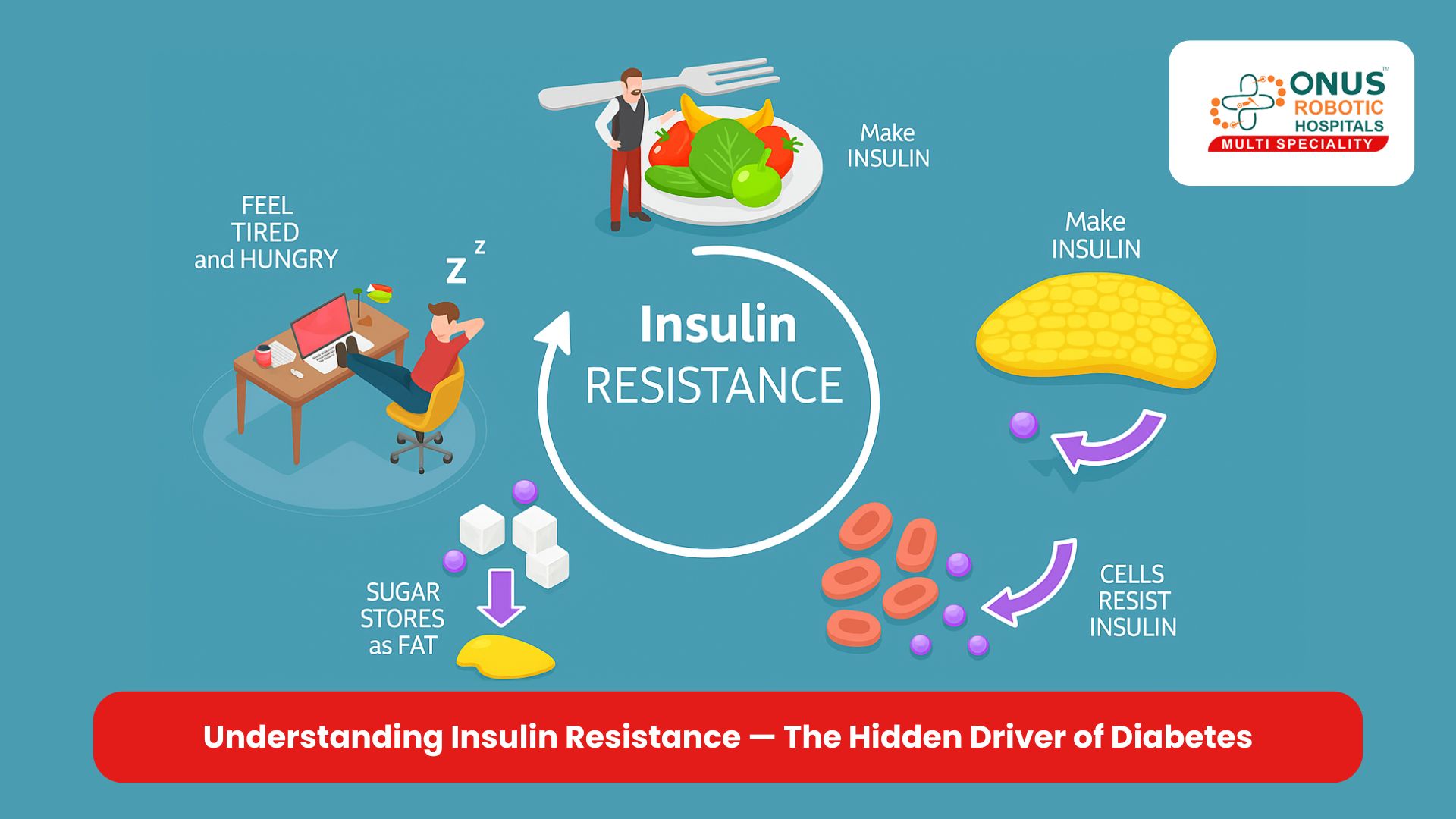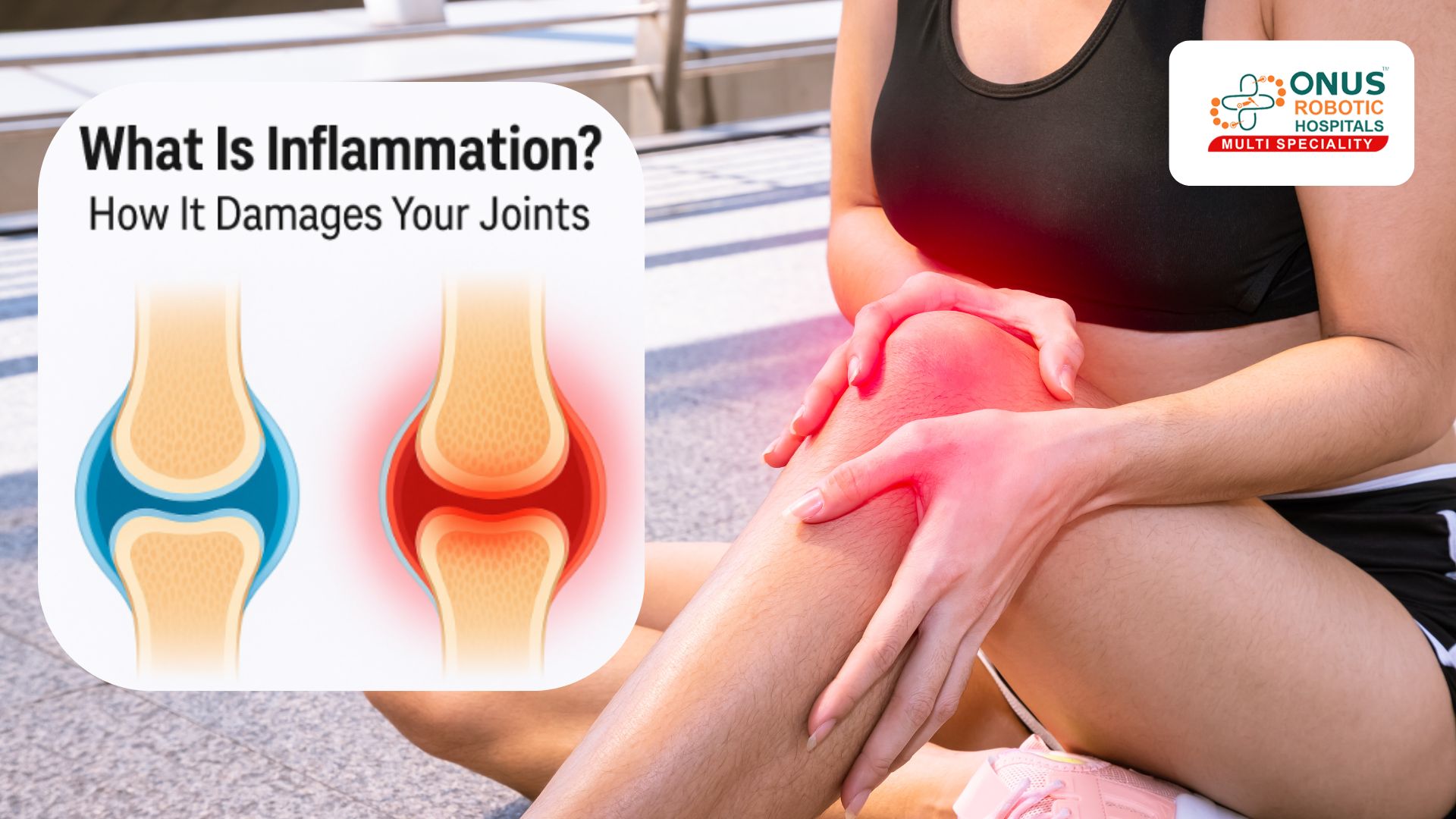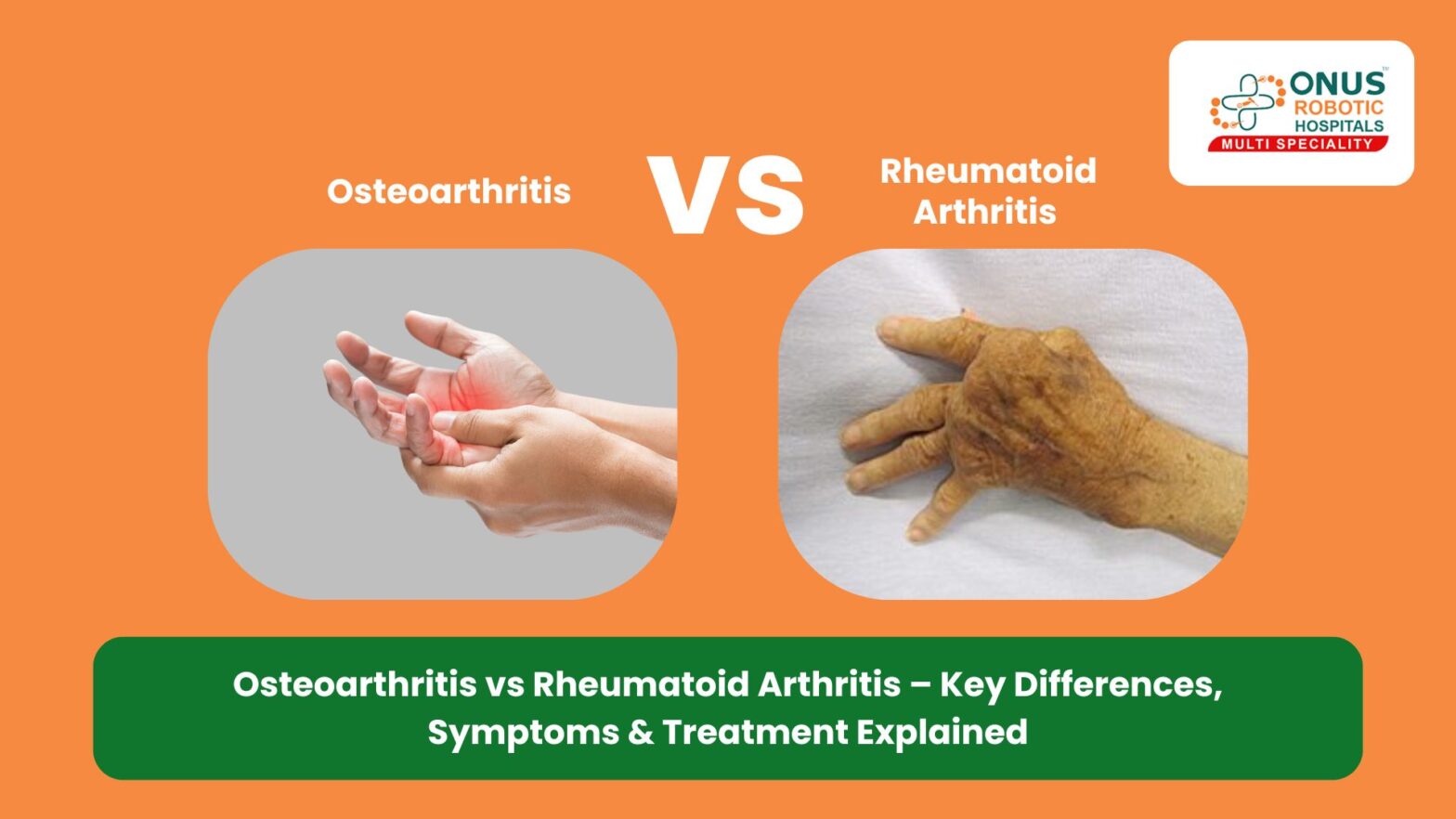
Osteoarthritis vs Rheumatoid Arthritis – Key Differences, Symptoms & Treatment Explained: By Dr. Balaraju Naidu, Robotic Orthopedic Surgeon, ONUS Robotic Hospitals
Arthritis is one of the most common causes of joint pain, but not all arthritis is the same. Two major types—Osteoarthritis (OA) and Rheumatoid Arthritis (RA)—often get confused, even though their causes, symptoms, and treatments are completely different. Understanding these differences can help you identify the condition early and seek the right treatment.
⭐ What is Osteoarthritis?
Osteoarthritis, also called wear-and-tear arthritis, occurs when the protective cartilage between the bones gradually breaks down. This makes the bones rub against each other, causing pain and stiffness.
Common Features of Osteoarthritis:
- Usually occurs after age 40
- Affects weight-bearing joints: knees, hips, spine
- Pain increases with activity
- Stiffness lasts less than 30 minutes
- Often limited to one or two joints
- X-ray shows joint space loss & bone spurs
Risk Factors:
- Aging
- Obesity
- Previous injuries
- Repetitive joint use
- Genetics
⭐ What is Rheumatoid Arthritis?
Rheumatoid Arthritis is an autoimmune disease where the body’s immune system mistakenly attacks the joint lining (synovium). This leads to swelling, inflammation, and damage to joints over time.
Common Features of Rheumatoid Arthritis:
- Can occur at any age, even 20–40 years
- Affects small joints first (hands, wrists, feet)
- Morning stiffness lasting more than 1 hour
- Symptoms are symmetrical (both sides)
- Joints may feel warm, swollen, and tender
- Blood tests: RA Factor, Anti-CCP, ESR, CRP
RA May Affect Other Organs:
- Eyes
- Lungs
- Heart
- Skin
⭐ Osteoarthritis vs Rheumatoid Arthritis: Key Differences
| Feature | Osteoarthritis (OA) | Rheumatoid Arthritis (RA) |
| Cause | Wear & tear | Autoimmune disease |
| Age | Mostly 40+ | Can start at 20–40 |
| Pain Pattern | Worse with use | Worse in mornings |
| Stiffness | < 30 min | > 1 hour |
| Joint Involvement | Isolated joints | Symmetrical joints |
| Swelling | Mild | Significant, warm, tender |
| Tests | X-ray | Blood tests + imaging |
| Onset | Slow | Sudden or gradual |
⭐ Treatment Approaches
Osteoarthritis Treatment
- Weight reduction
- Physiotherapy & strengthening exercises
- Hot/cold therapy
- Anti-inflammatory medications
- Joint injections
- In advanced cases: Knee/Hip Replacement Surgery
Rheumatoid Arthritis Treatment
- Disease-modifying drugs (DMARDs)
- Biologic therapies
- Anti-inflammatory and steroid medications
- Regular monitoring to prevent joint destruction
- Lifestyle modifications: diet, exercise, stress control
⭐ When Should You See a Doctor?
You should consult an orthopaedic specialist or rheumatologist if you have:
- Persistent joint pain
- Morning stiffness
- Swollen or warm joints
- Difficulty walking, climbing stairs, or doing daily tasks
- Joint pain lasting more than 2–3 weeks
Early diagnosis = better outcomes.
Ignoring symptoms can lead to permanent joint damage.
While both Osteoarthritis and Rheumatoid Arthritis cause joint pain, their root causes and treatments are different. Osteoarthritis is related to wear and tear over time, whereas Rheumatoid Arthritis is an autoimmune condition. Recognizing the type of arthritis early helps prevent disability and improves long-term joint health.
If you are experiencing joint pain, don’t delay—schedule an evaluation with an arthritis specialist today.
📞 For Appointments:
ONUS Robotic Hospitals – Hyderabad