Smoking & Bone Healing: How Smoking Delays Orthopedic Recovery – By Dr. Balaraju Naidu, Robotic Orthopedic Surgeon, ONUS Robotic Hospitals
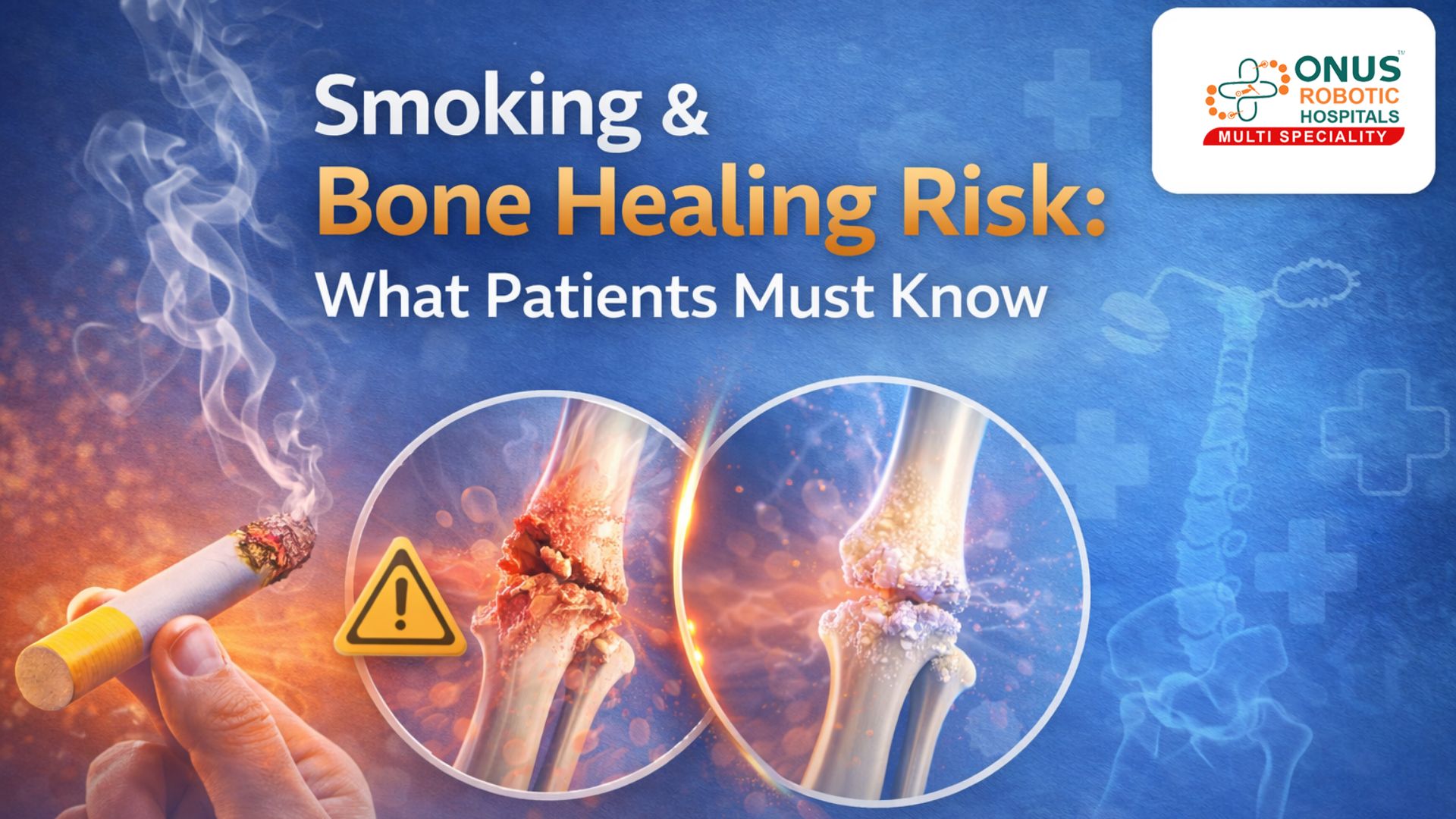
Smoking is a significant but often underestimated risk factor affecting orthopedic outcomes. Many patients are unaware that smoking directly interferes with bone healing, increases surgical complications, and reduces the long-term success of orthopedic procedures.
If you are a smoker, your bones heal slower, weaker, and with a much higher risk of complications after fractures or surgery.
How Smoking Affects Bone Healing
Bone healing is a complex biological process that requires:
-
Adequate blood supply
-
Proper oxygenation
-
Healthy bone-forming cells
Smoking disrupts all of these essential factors.

Effects of Smoking on the Healing Process
-
Nicotine causes vasoconstriction, reducing blood flow to healing bones
-
Carbon monoxide reduces oxygen delivery to tissues, slowing repair
-
Toxins inhibit osteoblasts, the cells responsible for forming new bone
-
Reduced collagen synthesis, leading to weaker bone structure
-
Impaired immune response, increasing susceptibility to infection
As a result, the normal bone-healing process becomes slow, inefficient, and unstable.
Risks of Smoking During Bone Healing
Patients who continue smoking during recovery face significantly higher risks, including:
-
Delayed fracture union (slow healing)
-
Non-union fractures (bone fails to heal completely)
-
Increased surgical infection rates
-
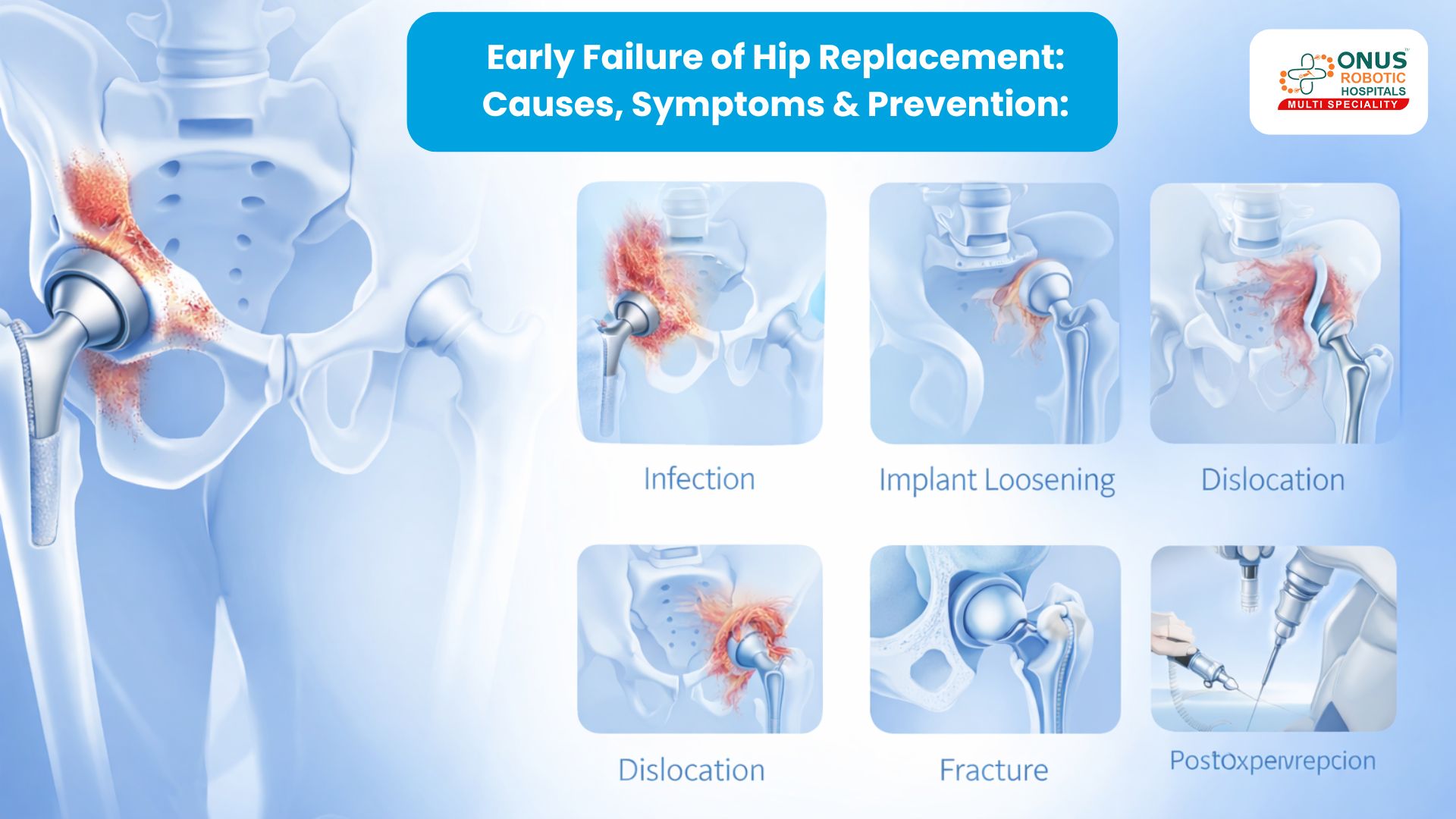
Implant loosening or failure
-
Poor wound healing
-
Increased pain and prolonged recovery time
In many cases, these complications may require additional surgeries or prolonged treatment.

Impact of Smoking on Orthopedic Surgeries
Smoking negatively affects outcomes across several orthopedic procedures:
-
Spine surgery – higher risk of failed fusion and chronic back pain
-
Fracture fixation – delayed or non-healing fractures
-
Hip replacement – increased risk of infection and implant loosening
-
Knee replacement – slower recovery and reduced implant lifespan
Multiple studies confirm that smokers experience significantly more complications compared to non-smokers.

Can Bone Healing Improve After Quitting Smoking?
Yes — and the improvement is substantial.
Benefits of Quitting Smoking
-
Improved blood circulation
-
Increased oxygen delivery to tissues
-
Stronger bone formation and repair
-
Reduced infection risk
-
Better surgical and recovery outcomes
Orthopedic specialists strongly recommend quitting smoking at least 4–6 weeks before surgery and avoiding it completely during recovery.
Key Takeaway
Smoking is one of the most preventable causes of poor orthopedic outcomes. Whether you are recovering from a fracture or planning surgery, quitting smoking is one of the most powerful steps you can take to:
-
Heal faster
-
Minimize complications
-
Protect implants
-
Achieve long-term surgical success
Your bones need oxygen, blood flow, and healthy cells — not nicotine and toxins.
For Appointments:
Dr. Balaraju Naidu, Robotic Orthopedic Surgeon
ONUS Robotic Hospitals – Hyderabad
👉 Button link: contact-us or book-appointment
Hashtags:-
#SmokingAndHealth
#BoneHealing
#OrthopedicCare
#QuitSmoking
#FractureRecovery
#JointReplacement
#SpineSurgery
#SurgicalRecovery
#ONUSRoboticHospitals
#HealthAwareness