Sports Orthopedics: Advanced Care for Active and Athletic Lifestyles: Dr. Balaraju Naidu, Robotic Orthopedic Surgeon – ONUS Robotic Hospitals
Sports are a powerful way to stay healthy, active, and mentally strong. Whether you are a professional athlete, weekend cricket player, gym enthusiast, dancer, or someone who enjoys regular walks, your body depends on strong bones, muscles, ligaments, and joints to perform.
When these structures are stressed or injured, it can lead to pain, reduced performance, and even long-term disability if not treated correctly.
This is where Sports Orthopedics comes in.
What is Sports Orthopedics?
Sports Orthopedics is a branch of orthopedics that focuses on:
- Preventing sports injuries
- Diagnosing sports-related joint and muscle problems
- Advanced treatment and rehabilitation
- Improving performance and safe return to activity
Unlike everyday injuries, sports injuries often involve high-performance movement, so treatment must be customized to the individual’s strength, sport technique, and activity goals.
Common Sports Injuries
Here are some of the most frequently seen sports injuries:
1. Knee Injuries
- ACL (Anterior Cruciate Ligament) Tear
- Meniscus Tear
- Patellar Pain / Runner’s Knee
These occur due to sudden twists, jumping, or rapid direction changes.
2. Shoulder Injuries
- Rotator Cuff Tears
- Shoulder Instability / Dislocation
- Shoulder Impingement
Common in cricket players, swimmers, throwers, and weight trainers.
3. Ankle & Foot Injuries
- Ankle Sprains
- Achilles Tendonitis or Rupture
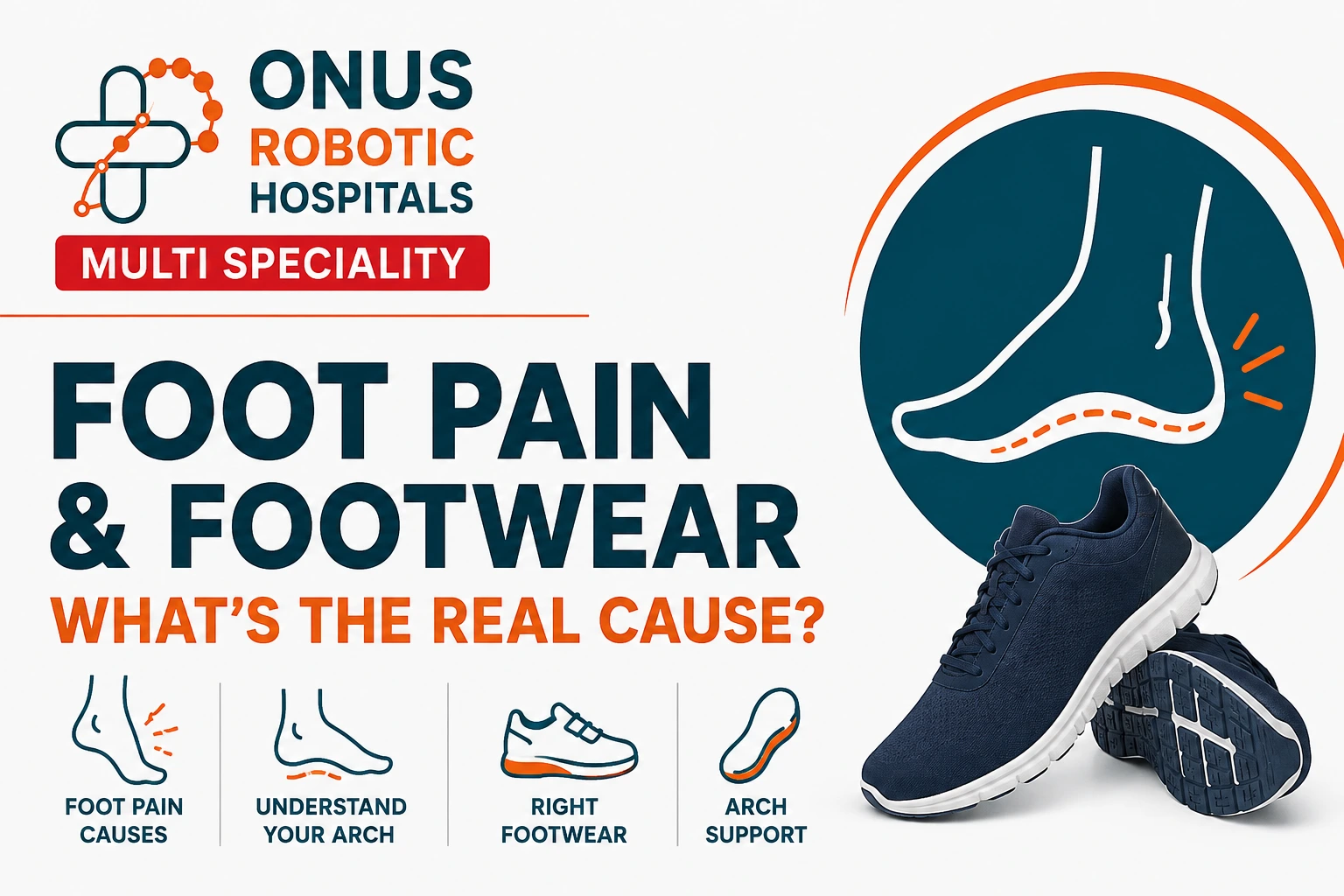
- Plantar Fasciitis
Often seen in athletes, runners, and dancers.
4. Elbow Injuries
- Tennis Elbow
- Golfer’s Elbow
Caused by repetitive strain and overload of forearm muscles.
Symptoms You Should Not Ignore
If you experience any of the following, consult a sports orthopedics specialist:
- Pain that persists more than 2–3 days
- Swelling, redness, or stiffness
- Difficulty bearing weight or lifting
- “Clicking,” “locking,” or unstable feeling in a joint
- Weakness or reduced performance
Ignoring early symptoms can make the injury worse.
How Are Sports Injuries Diagnosed?
A Sports Orthopedic specialist performs:
- Detailed Examination
- Movement and Strength Assessment
- Digital X-Rays
- MRI or Ultrasound (if needed)
- Gait & Posture Analysis
This ensures accurate diagnosis and a precise treatment plan.
Treatment Options
We follow a step-by-step, customized treatment approach:
Non-Surgical Treatment (First Preference)
✅ Rest and Activity Modification
✅ Physiotherapy to strengthen muscles
✅ Bracing & Support
✅ Ice / Heat Therapy
✅ Anti-inflammatory Medication
✅ PRP & Regenerative Medicine for faster healing (when required)
Minimally Invasive Arthroscopic Surgery
Used only when necessary, especially in:
- ACL Tears
- Meniscus Tears
- Rotator Cuff Injuries
These surgeries are:
- Performed through small keyholes
- Less painful
- Faster healing
- Early return to play
Rehabilitation: The Most Important Step
Recovery does not end with treatment — Rehabilitation decides your return to sport.
Rehab focuses on:
- Flexibility training
- Core strengthening
- Muscle endurance
- Joint stability & balance training
- Sport-specific drills and performance conditioning
Goal: Return to sport stronger and safer.
Returning to Sport – The Right Way
Before allowing you to resume full activity, your specialist checks:
- Strength recovery
- Range of motion
- Movement control
- Sport-specific readiness
This prevents re-injury and improves performance.
Conclusion
Sports Orthopedics is not only about treating injuries — it is about protecting your active lifestyle.
If pain or discomfort is affecting your performance:
- Do not ignore it.
- Do not self-treat with random exercises.
- Get a proper evaluation.
At ONUS Robotic Hospitals, our Sports Orthopedics team ensures:
- Accurate diagnosis
- Advanced treatment
- Progressive rehabilitation
- Safe return to sport