Botox for Migraine: A Modern Preventive Treatment That Works – By Dr.Krishna Chaithanya Reddy, Neurologist, ONUS Robotic Hospitals
Long-Lasting Relief for Chronic Migraine Without Daily Medication
Frequent migraine attacks can severely affect work, sleep, and quality of life. Many patients depend on daily medications yet continue to suffer. Fortunately, modern medicine offers an effective preventive solution: Botox for Migraine.
Unlike painkillers that treat headaches after they start, Botox helps prevent migraine attacks before they occur, making it a powerful option for patients with chronic migraine.
What Is Botox and How Does It Help Migraine?
Botox (Botulinum toxin type A) is a purified protein that blocks nerve signals involved in pain transmission.
In migraine, it works by:
- Reducing activation of pain pathways
- Decreasing sensitivity of nerve endings
- Preventing chronic migraine attacks
- Lowering frequency and severity of headaches
Important point:
Botox is not a painkiller — it is a preventive therapy.
What Is Chronic Migraine?
Botox is mainly recommended for patients with Chronic Migraine.
Diagnosis criteria include:
- Headache 15 or more days per month
- Migraine symptoms on 8 or more days per month
- Symptoms lasting 3 months or longer
These patients often experience reduced productivity and dependence on pain medications.
Who Should Consider Botox for Migraine?
Botox is suitable for patients who:
- Have frequent migraine attacks
- Do not respond to preventive tablets
- Use painkillers frequently
- Cannot tolerate medication side effects
- Experience medication overuse headache
This treatment is especially helpful for patients whose daily activities are affected by migraine.
How Is the Botox Procedure Done?
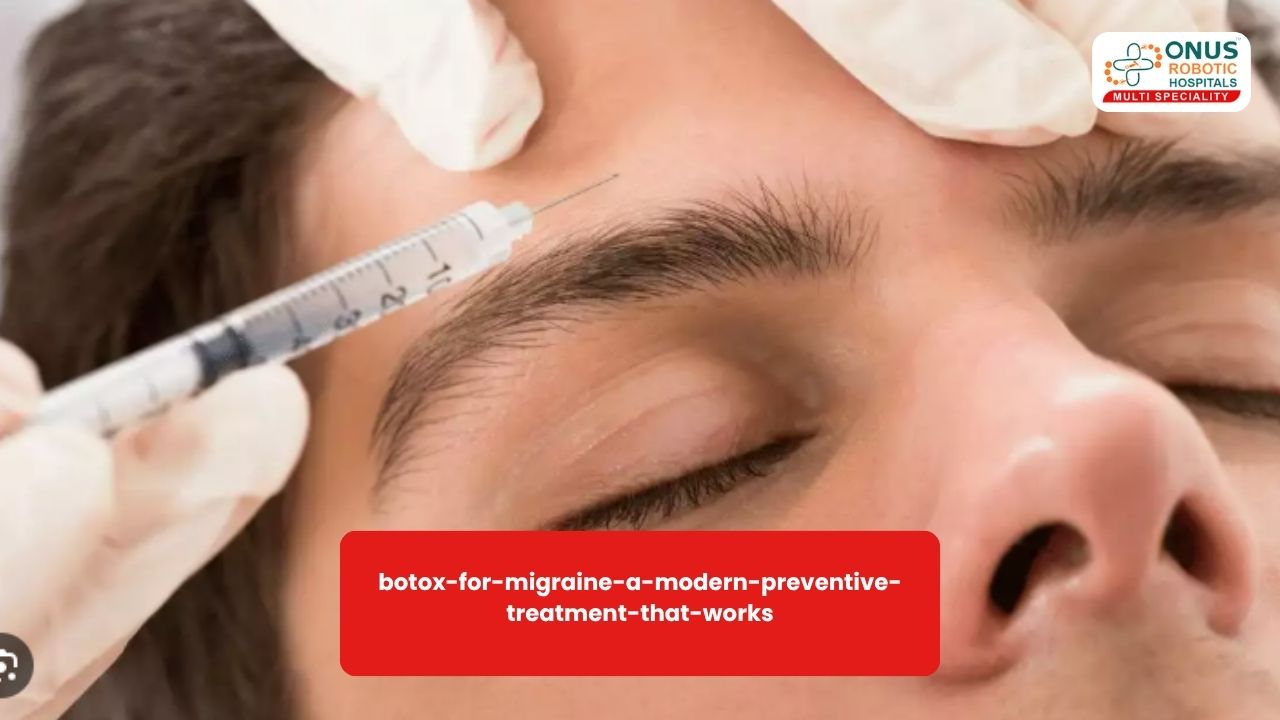
Botox treatment is a simple outpatient procedure performed by a trained specialist.
Procedure Overview
- Around 31 small injections
- Common areas treated:
- Forehead
- Temples
- Back of head
- Neck
- Shoulders
- Procedure duration: 10–15 minutes
- No hospital admission required
The procedure follows the globally recognized PREEMPT protocol, used in migraine centers worldwide.
When Does Botox Start Working?
Botox does not provide immediate relief.
Typical timeline:
- Initial improvement: 2–4 weeks
- Maximum benefit: After 2–3 treatment cycles
- Repeat treatment: Every 12 weeks
Gradual improvement is expected.
Benefits of Botox for Migraine
Patients commonly report:
- Fewer headache days
- Reduced pain severity
- Less dependence on painkillers
- Improved sleep
- Better productivity
- Enhanced quality of life
These benefits make Botox one of the most effective preventive migraine treatments available.
How Effective Is Botox?
Clinical studies show:
- Reduction of 8–10 headache days per month
- Significant improvement in daily functioning
- Reduced emergency visits
- Better long-term migraine control
Botox is considered one of the most evidence-based treatments for chronic migraine.
Are There Any Side Effects?
Botox is generally very safe when administered by trained professionals.
Possible side effects include:
- Mild pain at injection site
- Neck stiffness
- Temporary eyelid drooping (rare)
- Mild headache
Serious complications are extremely rare.
Who Should Avoid Botox?
Botox may not be recommended for:
- Pregnant women
- Breastfeeding mothers
- Patients with neuromuscular disorders
- Individuals allergic to botulinum toxin
A medical evaluation is always necessary before treatment.
Botox vs Tablets: Why Choose Preventive Injection Therapy?
| Feature | Botox | Oral Medications |
|---|---|---|
| Frequency | Every 3 months | Daily |
| Side effects | Minimal | Often systemic |
| Compliance | High | Variable |
| Target action | Localized | Whole body |
For many patients, Botox offers a simpler and more convenient treatment option.
How Long Do Results Last?
Each treatment session typically provides relief for:
About 12 weeks
Regular treatment cycles help maintain long-term benefits.
When Should You See a Neurologist?
Consult a specialist if:
- Headaches occur frequently
- Painkillers are used regularly
- Headaches interfere with daily life
- Symptoms persist despite medication
- Migraine attacks are increasing
Early treatment improves outcomes.
Final Takeaway
Botox for migraine is:
✔ Safe
✔ Effective
✔ Long-lasting
✔ Evidence-based
For patients with chronic migraine, this treatment can significantly reduce suffering and improve quality of life.
The key message:
You do not have to live with frequent headaches—modern preventive treatment is available.
For Appointments:
Dr. Krishna Chaithanya Reddy
Consultant – Interventional Neurologist
ONUS Robotic Hospitals – Hyderabad
👉 link: contact-us or book-appointment