Introduction
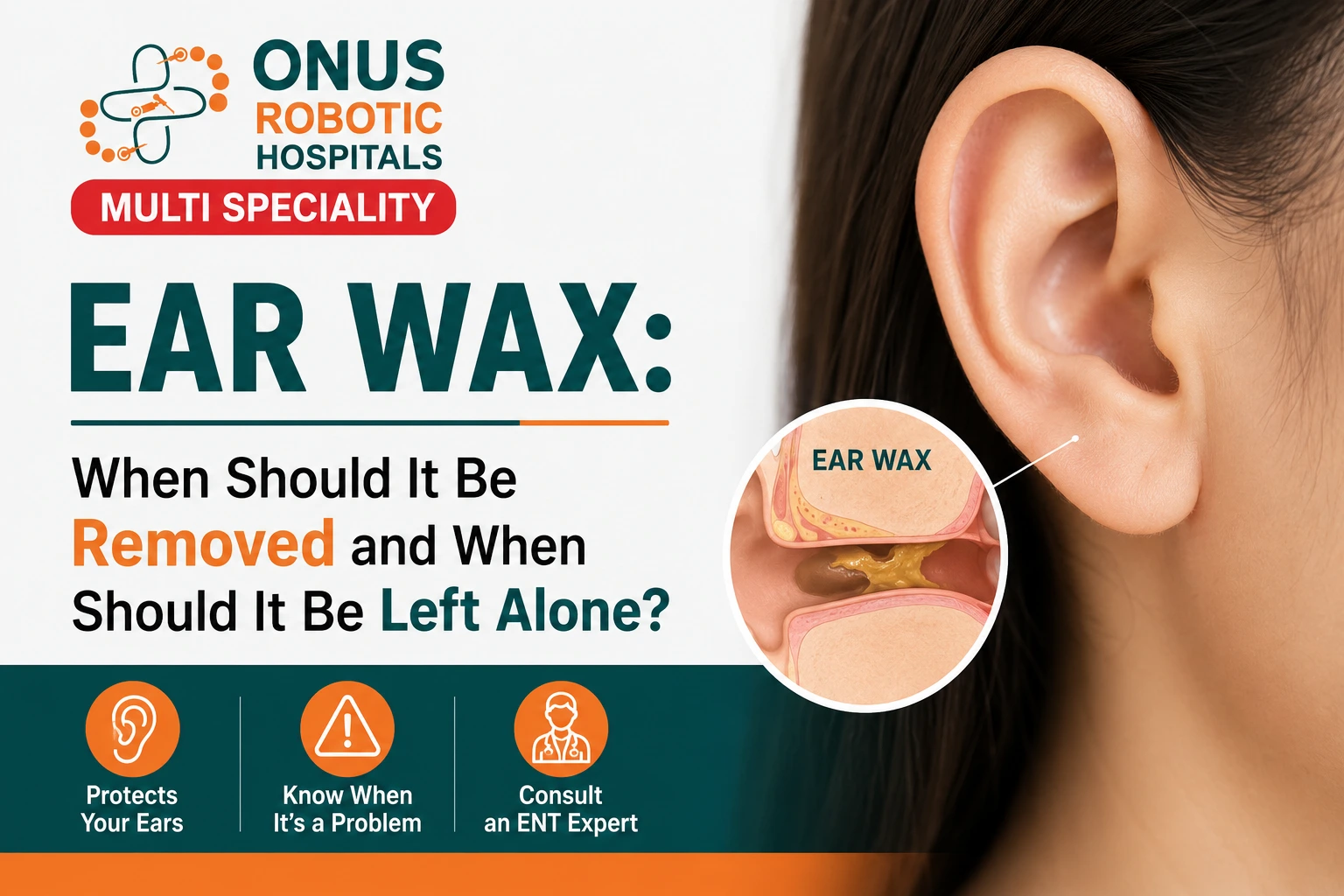
Ear wax is something most people rarely think about—until it causes discomfort, hearing problems, or a blocked sensation in the ear. Many people believe ear wax is dirty and should be removed regularly. However, the truth is that ear wax plays an important role in maintaining ear health.
In most cases, ear wax does not require removal and naturally clears itself from the ear canal. Problems arise only when excessive wax accumulates and causes symptoms.
Understanding when ear wax should be left alone and when it requires medical attention can help prevent unnecessary complications and protect your hearing.
What Is Ear Wax?
Ear wax, medically known as cerumen, is a natural substance produced by glands in the ear canal.
It consists of:
- Secretions from ear glands
- Dead skin cells
- Dust particles
- Natural oils
Although many people consider ear wax undesirable, it serves several important protective functions.
Why Is Ear Wax Important?
Ear wax helps keep the ears healthy by:
Protecting the Ear Canal
Wax acts as a barrier against:
- Dust
- Dirt
- Insects
- Bacteria
- Fungi
Lubricating the Ear Canal
It prevents dryness and irritation inside the ear.
Preventing Infections
Ear wax has natural antibacterial and antifungal properties that help reduce the risk of infections.
Cleaning the Ear Naturally
The ear has a self-cleaning mechanism. Jaw movements during talking and chewing gradually move wax outward, where it naturally falls away.
When Should Ear Wax Be Left Alone?
In most people, ear wax should not be removed.
If you have:
- No hearing problems
- No ear pain
- No blocked sensation
- No discomfort
there is usually no need for cleaning or treatment.
A small amount of ear wax is completely normal and healthy.
When Does Ear Wax Become a Problem?
Problems occur when excessive wax accumulates and blocks the ear canal.
This is known as impacted ear wax.
Common causes include:
- Narrow ear canals
- Excessive wax production
- Use of cotton buds
- Hearing aids
- Earphones
- Ear plugs
- Age-related changes
Symptoms of Ear Wax Blockage
Excessive ear wax may cause:
Hearing Loss
The most common symptom is reduced hearing.
Ear Fullness
Many patients describe a blocked or plugged sensation.
Ear Pain
Pressure from impacted wax can cause discomfort.
Ringing in the Ear (Tinnitus)
Blocked ears may lead to buzzing or ringing sounds.
Dizziness
In some cases, wax buildup can affect balance.
Itching
Wax accumulation may cause irritation inside the ear canal.
Cough
Rarely, impacted wax may stimulate a nerve in the ear canal and trigger coughing.
Who Is More Likely to Develop Ear Wax Blockage?
Certain individuals are at higher risk:
Elderly Individuals
Wax becomes harder and drier with age.
Hearing Aid Users
Hearing aids can interfere with natural wax migration.
Earphone Users
Frequent earphone use may push wax deeper into the ear canal.
People Who Frequently Use Cotton Buds
Cotton buds often push wax further inside rather than removing it.
Why Cotton Buds Are Not Recommended
Many people use cotton buds to clean their ears.
Unfortunately, cotton buds often:
- Push wax deeper into the ear canal
- Cause wax impaction
- Injure the ear canal
- Damage the eardrum
- Increase infection risk
ENT specialists generally advise against inserting any object into the ear canal.
A simple rule is:
“Never put anything smaller than your elbow into your ear.”
Safe Ways to Remove Ear Wax
Ear Drops
Softening drops may help loosen wax before removal.
Common options include:
- Mineral oil
- Glycerin-based drops
- Commercial wax-softening solutions
Always use ear drops only after medical advice if you have ear pain, discharge, or a history of ear surgery.
Professional Ear Cleaning
ENT specialists use safe methods to remove impacted wax.
How ENT Specialists Remove Ear Wax
Microsuction
Microsuction is one of the safest and most effective methods.
Benefits include:
- Quick procedure
- Minimal discomfort
- Excellent visibility
- No water required
Ear Irrigation
Controlled flushing may be used in selected cases.
Instrument Removal
Specialized instruments can be used to remove wax under direct visualization.
Professional removal significantly reduces the risk of complications.
When Should You Consult an ENT Specialist?
Seek medical attention if you experience:
- Sudden hearing loss
- Ear blockage
- Persistent ear pain
- Ringing in the ears
- Ear discharge
- Dizziness
- Recurrent wax buildup
You should also seek evaluation if over-the-counter remedies fail to improve symptoms.
When Ear Wax May Not Be the Cause
Not every blocked ear is caused by wax.
Other conditions that may produce similar symptoms include:
- Ear infections
- Eustachian tube dysfunction
- Fluid behind the eardrum
- Hearing loss
- Tympanic membrane problems
An ENT examination can accurately identify the cause.
Tips for Healthy Ear Care
To maintain healthy ears:
✔ Avoid cotton buds
✔ Do not insert sharp objects into the ear
✔ Keep ears dry when necessary
✔ Use hearing protection in noisy environments
✔ Seek professional cleaning when required
✔ Attend regular ENT checkups if prone to wax buildup
For Appointments:
Consultant ENT Head & Neck Surgeon
ONUS Robotic Hospitals – Hyderabad
👉 link: contact-us or book-appointment