Introduction
Vitamin D3 is often called the “sunshine vitamin” because our bodies produce it when exposed to sunlight. Despite living in sunny countries like India, Vitamin D3 deficiency has become extremely common among children, adults, and the elderly.
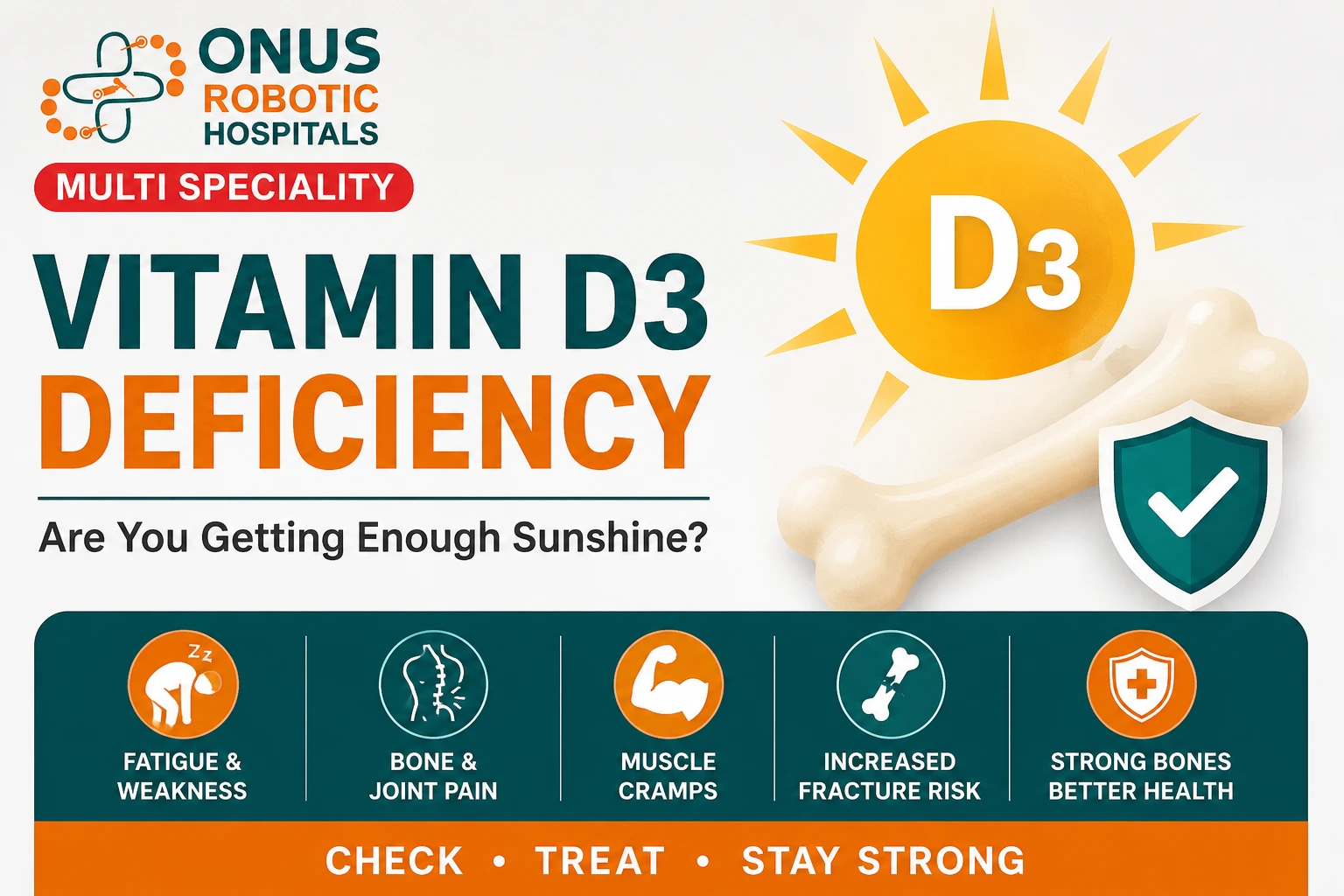
Vitamin D3 plays a crucial role in maintaining strong bones, healthy muscles, immune function, and overall well-being. A deficiency can lead to fatigue, body aches, bone pain, muscle weakness, and an increased risk of fractures.
Unfortunately, many people remain unaware that their persistent tiredness, back pain, or joint discomfort may be linked to low Vitamin D3 levels.
What Is Vitamin D3?
Vitamin D3 (Cholecalciferol) is a fat-soluble vitamin that helps the body absorb calcium and phosphorus, both of which are essential for healthy bones and teeth.
Vitamin D3 is obtained through:
- Sunlight exposure
- Certain foods
- Nutritional supplements
Adequate Vitamin D3 levels are necessary for maintaining bone strength, muscle function, and immune health.
Why Is Vitamin D3 Important?
Vitamin D3 supports several vital functions in the body:
Bone Health
It helps absorb calcium efficiently, preventing weak and brittle bones.
Muscle Strength
Vitamin D3 supports normal muscle function and reduces muscle weakness.
Immune Function
It helps regulate the immune system and may reduce susceptibility to infections.
Nerve Function
Proper Vitamin D levels contribute to healthy nerve and brain function.
Fracture Prevention
Adequate Vitamin D reduces the risk of falls and fractures, particularly in older adults.
Causes of Vitamin D3 Deficiency
Limited Sun Exposure
Spending most of the day indoors reduces the body’s ability to produce Vitamin D naturally.
Use of Sunscreen
While sunscreen protects against harmful UV rays, excessive use may decrease Vitamin D synthesis.
Poor Dietary Intake
Foods naturally rich in Vitamin D are limited.
Aging
Older adults have reduced ability to produce Vitamin D through the skin.
Obesity
Vitamin D can become trapped in body fat, reducing its availability.
Medical Conditions
Certain disorders affect Vitamin D absorption, including:
- Celiac disease
- Crohn’s disease
- Chronic kidney disease
- Liver disease
Symptoms of Vitamin D3 Deficiency
Many people have low Vitamin D levels without obvious symptoms.
Common symptoms include:
- Fatigue
- General body aches
- Back pain
- Joint pain
- Muscle weakness
- Bone pain
- Neck pain
- Difficulty climbing stairs
- Frequent illness
- Mood changes
- Poor concentration
In severe cases:
- Fragile bones
- Osteoporosis
- Increased fracture risk
- Difficulty walking
may occur.
Signs of Vitamin D Deficiency in Children
Children may develop:
- Delayed growth
- Bone deformities
- Weak muscles
- Delayed walking
- Frequent infections
Severe deficiency can result in a condition called rickets.
Who Is at Higher Risk?
Individuals at increased risk include:
- Elderly people
- Office workers
- Individuals who stay indoors frequently
- People with obesity
- Pregnant women
- Breastfeeding mothers
- Individuals with chronic illnesses
- People with osteoporosis
How Is Vitamin D3 Deficiency Diagnosed?
Diagnosis is usually confirmed through a blood test called:
Serum 25-Hydroxy Vitamin D Test
This test measures Vitamin D levels in the body and helps determine the severity of deficiency.
Additional tests may include:
- Calcium levels
- Phosphorus levels
- Bone density assessment
- Parathyroid hormone testing
Treatment Options
Vitamin D Supplements
Doctors may prescribe:
- Weekly Vitamin D3 sachets
- Monthly supplementation
- Daily Vitamin D tablets
depending on deficiency severity.
Dietary Improvements
Include Vitamin D-rich foods such as:
- Egg yolks
- Fatty fish
- Salmon
- Tuna
- Fortified milk
- Cheese
- Mushrooms
Sunlight Exposure
Moderate sunlight exposure remains one of the most effective natural sources of Vitamin D.
Generally:
- 15–30 minutes of morning sunlight
- 3–5 times per week
may help maintain healthy levels.
Calcium Supplementation
Many patients may also require calcium supplementation to optimize bone health.
Complications of Untreated Vitamin D Deficiency
If left untreated, deficiency may lead to:
- Osteoporosis
- Osteomalacia
- Frequent fractures
- Muscle weakness
- Chronic pain
- Increased fall risk
- Reduced quality of life
Can Vitamin D Deficiency Be Prevented?
Yes. Prevention includes:
- Regular sunlight exposure
- Balanced nutrition
- Routine health checkups
- Maintaining healthy body weight
- Following prescribed supplementation when necessary
Conclusion
Vitamin D3 deficiency is a silent but increasingly common health problem that affects people of all ages. Symptoms such as fatigue, muscle weakness, joint pain, and bone discomfort should never be ignored.
Early diagnosis through simple blood tests and timely treatment can significantly improve bone health, energy levels, immunity, and overall quality of life.
If you frequently experience body aches, weakness, or unexplained fatigue, consult your healthcare provider and get your Vitamin D levels checked.
For Appointments:
Dr. Balaraju Naidu, Robotic Orthopedic Surgeon
ONUS Robotic Hospitals – Hyderabad
👉 link: contact-us or book-appointment