Typhoid Prevention: Simple Daily Habits to Protect Yourself and Your Family – By Dr. Ravi Kiran | Diabetologist, Onus Robotic Hospital
Introduction
Typhoid fever is a common waterborne and foodborne bacterial infection that continues to affect thousands of people every year, especially during the rainy season and in areas with poor sanitation.
The disease is caused by the bacterium Salmonella Typhi, which spreads through contaminated food, unsafe drinking water, and poor personal hygiene. While typhoid can be effectively treated, prevention remains the best approach.
According to Dr. P. Ravi Kiran, General Physician & Diabetologist at ONUS Robotic Hospitals, adopting a few simple daily habits can significantly reduce the risk of typhoid infection and help protect your family’s health.
What is Typhoid?
Typhoid fever is a bacterial infection caused by Salmonella Typhi.
After entering the body through contaminated food or water, the bacteria multiply and spread through the bloodstream, causing fever and other systemic symptoms.
Without timely treatment, typhoid can lead to serious complications affecting the intestines and other organs.
How Does Typhoid Spread?
Typhoid mainly spreads through the fecal-oral route, meaning bacteria from infected individuals contaminate food or drinking water.
Common sources of infection include:
- Contaminated drinking water
- Unhygienic food preparation
- Eating food from unsafe sources
- Poor hand hygiene
- Flies contaminating food
- Close contact with infected individuals
Understanding how typhoid spreads is the first step toward prevention.
Common Symptoms of Typhoid
Early diagnosis helps prevent complications.
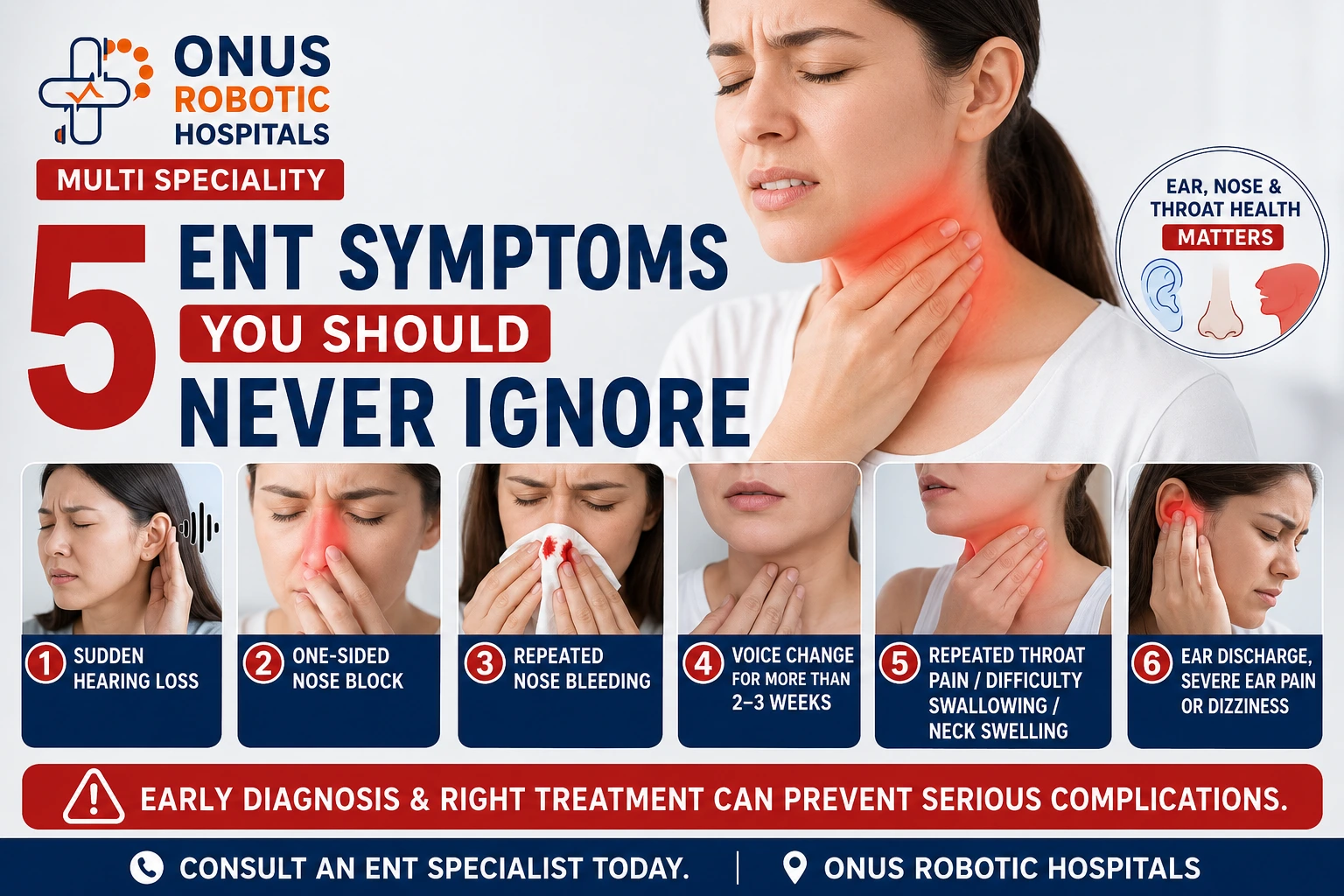
Common symptoms include:
- Persistent high fever
- Headache
- Weakness
- Loss of appetite
- Stomach pain
- Constipation or diarrhea
- Nausea
- Body aches
- Fatigue
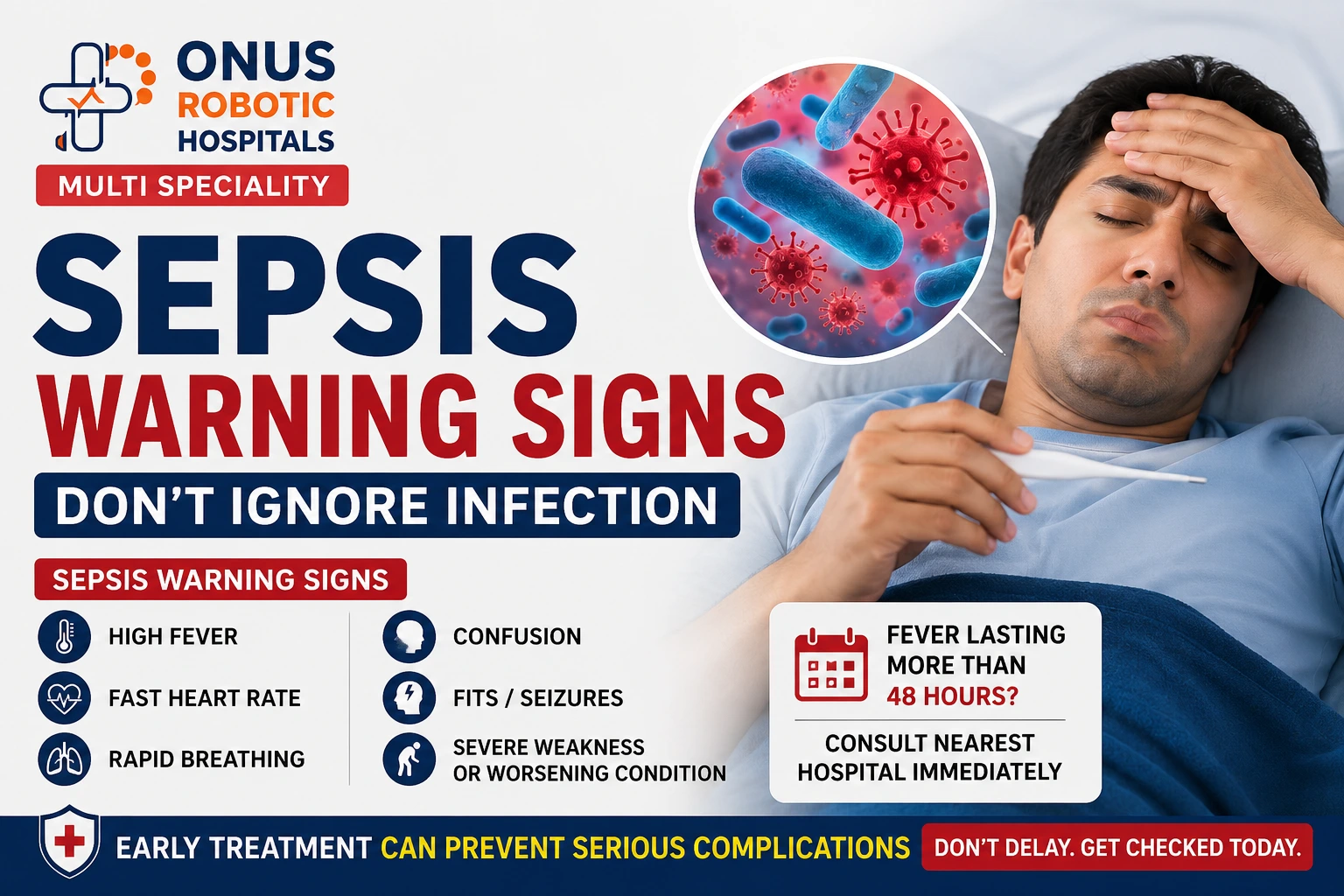
If fever lasts for several days, seek medical attention promptly.
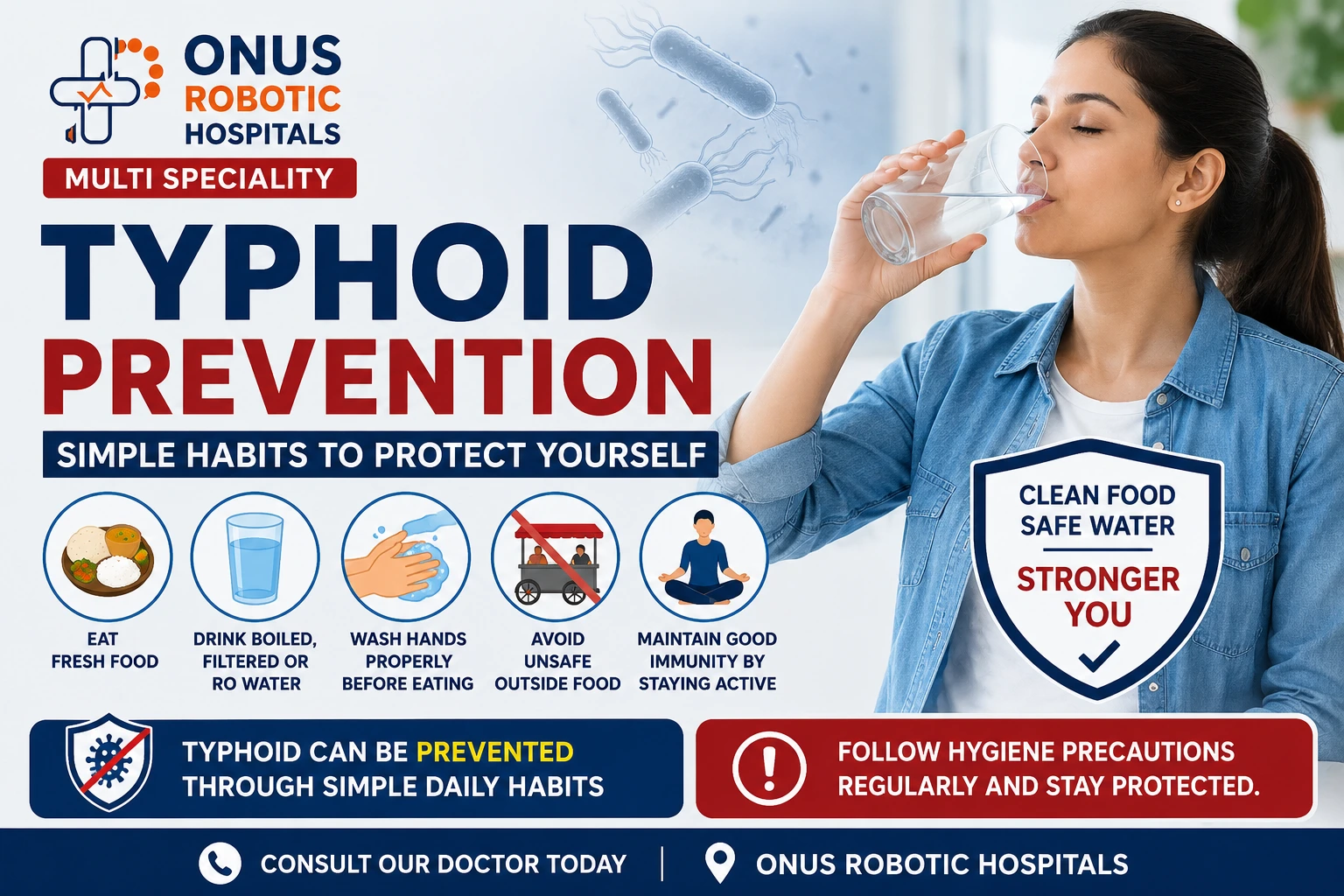
Simple Habits to Prevent Typhoid
1. Eat Freshly Prepared Food
Freshly cooked food is less likely to be contaminated with harmful bacteria.
Avoid:
- Food kept uncovered
- Leftover food stored improperly
- Food prepared in unhygienic conditions
Whenever possible, eat food that is freshly cooked and served hot.
2. Drink Safe Water
Unsafe drinking water is one of the major causes of typhoid.
Always drink:
- Boiled water
- RO purified water
- Properly filtered water
- Safe packaged drinking water when traveling
Avoid drinking untreated water from unknown sources.
3. Wash Your Hands Properly
Hand hygiene is one of the most effective ways to prevent typhoid and many other infections.
Wash your hands:
- Before eating
- Before preparing food
- After using the toilet
- After handling waste
- After returning home
Use soap and clean water, washing for at least 20 seconds.
4. Avoid Unsafe Outside Food
Street food or food prepared under poor hygienic conditions can increase the risk of typhoid.
Be cautious about:
- Raw salads from unknown sources
- Cut fruits sold on roadsides
- Uncovered food
- Food stored for long periods
- Ice made from untreated water
Choose clean, hygienic restaurants whenever eating outside.
📍 Dr. Ravi Kiran
Diabetologist & Preventive Medicine Specialist
Onus Robotic Hospital, Hyderabad