Diabetes Control Through Lifestyle: Practical Daily Habits for Long-Term Health: Dr. Ravi Kiran | Diabetologist, Onus Robotic Hospital
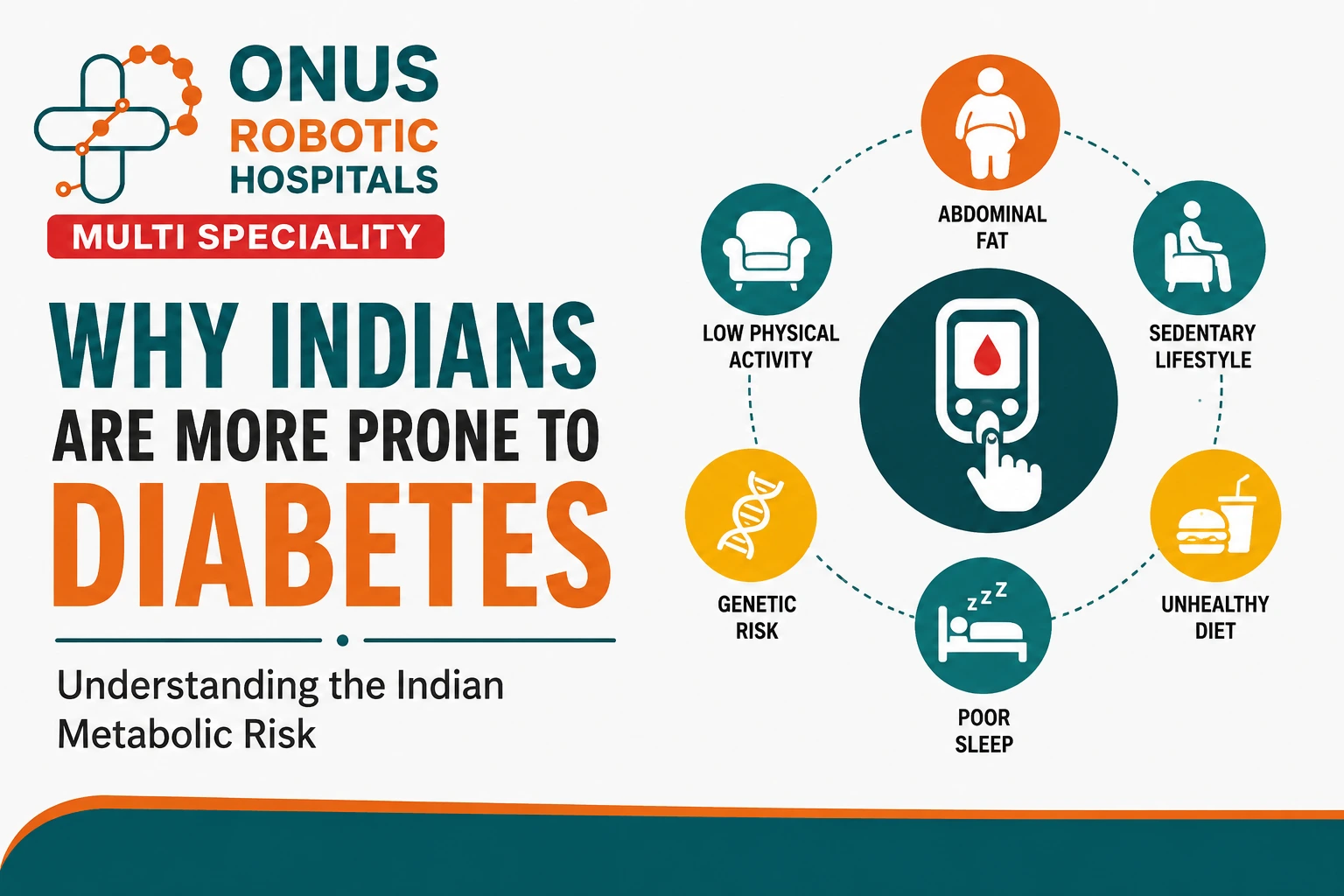
Diabetes control is not only about medicines. Daily habits such as food choices, oil intake, meal timing, physical activity, sleep, stress levels, and salt consumption directly affect blood sugar levels, weight, metabolism, blood pressure, and long-term health.
In this valuable health awareness session, Dr. P. Ravi Kiran, Senior General Physician & Medical Director at ONUS Robotic Hospitals, shared practical guidance with health policy advisors on diabetes control and lifestyle management.
The key message is simple: diabetes can be better controlled when patients follow the right combination of diet correction, oil control, post-meal walking, strength training, stress management, quality sleep, salt reduction, regular monitoring, and proper doctor guidance.
Why Lifestyle Matters in Diabetes
Diabetes is a long-term metabolic condition where blood sugar levels remain higher than normal. Over time, uncontrolled diabetes can affect the heart, kidneys, eyes, nerves, feet, blood vessels, and overall immunity.
Lifestyle correction helps improve insulin sensitivity, reduce sugar spikes, support weight control, improve energy levels, and reduce the risk of complications. The CDC states that healthy eating, maintaining a healthy weight, and regular physical activity can help manage blood sugar.
Common Diet Mistakes in Diabetes
Many patients think diabetes control means only avoiding sugar. But diabetes management is much broader than that. Common diet mistakes include:
- Eating large portions of rice or carbohydrates
- Taking frequent snacks without planning
- Skipping meals and overeating later
- Eating too much fried food
- Consuming hidden sugars in packaged foods
- Drinking sweetened tea, coffee, juices, or soft drinks
- Eating late dinners
- Not balancing protein, fiber, and vegetables
- Ignoring portion control
A diabetes-friendly diet should focus on balanced meals, controlled portions, high-fiber foods, adequate protein, fewer refined carbohydrates, and reduced fried or processed foods.
How Excess Oil Consumption Affects Health
Excess oil intake can increase calorie load, weight gain, cholesterol problems, fatty liver risk, and metabolic stress. For people with diabetes, weight gain and poor lipid control can make sugar management more difficult.
Oil control does not mean completely avoiding healthy fats. It means using oil carefully, avoiding deep-fried foods, reducing repeated reheated oil, and choosing cooking methods such as steaming, boiling, grilling, roasting, or light sautéing.
Why Post-Meal Walking Helps Reduce Sugar Spikes
After meals, blood sugar naturally rises. A short walk after eating helps muscles use glucose from the bloodstream, which can reduce post-meal sugar spikes.
Even light activity like walking can improve blood sugar levels, and regular movement helps the body use insulin better. Mayo Clinic notes that when you are active, muscles use blood sugar for energy and regular physical activity helps the body use insulin more effectively.
A simple habit many patients can follow is:
- Walk for 10–15 minutes after major meals
- Avoid lying down immediately after eating
- Start slowly if you are elderly or have knee/back pain
- Use indoor walking if outdoor walking is difficult
- Check with your doctor if you have heart disease, severe breathlessness, or foot ulcers
Importance of Strength Training in Diabetes
Strength training is very useful for diabetes control because muscles act like glucose storage and usage sites. More muscle strength can improve glucose utilization, metabolism, posture, balance, and long-term mobility.
Strength training may include:
- Bodyweight exercises
- Resistance band exercises
- Light dumbbells
- Chair-based strengthening
- Supervised gym training
- Core and leg strengthening
Physical activity is considered a foundation of diabetes management because it helps control blood sugar and reduces the risk of heart disease and other complications.
Patients should start gradually and avoid heavy exercise without medical clearance, especially if they have uncontrolled diabetes, heart disease, severe neuropathy, foot wounds, dizziness, or kidney disease.
Stress and Uncontrolled Sugar Levels
Stress can increase hormones like cortisol and adrenaline, which may raise blood sugar levels. Emotional stress can also lead to overeating, poor sleep, missed medicines, reduced exercise, and poor diabetes control.
The CDC notes that stress can make diabetes management harder and that physical activity, adequate sleep, and relaxation exercises can help.
JPMR Technique for Relaxation
JPMR means Jacobson’s Progressive Muscle Relaxation. It is a relaxation technique where different muscle groups are gently tightened and then relaxed one by one. This can help reduce stress, calm the mind, improve body awareness, and support better sleep.
A simple approach includes:
- Sit or lie down comfortably
- Breathe slowly
- Tighten one muscle group gently for a few seconds
- Release and relax
- Move from feet to legs, abdomen, hands, shoulders, and face
- Practice regularly for better stress control
Patients with pain, recent surgery, or muscle injury should avoid forceful tightening and practice only gentle relaxation.
Why Sleep Is Important for Diabetes Control
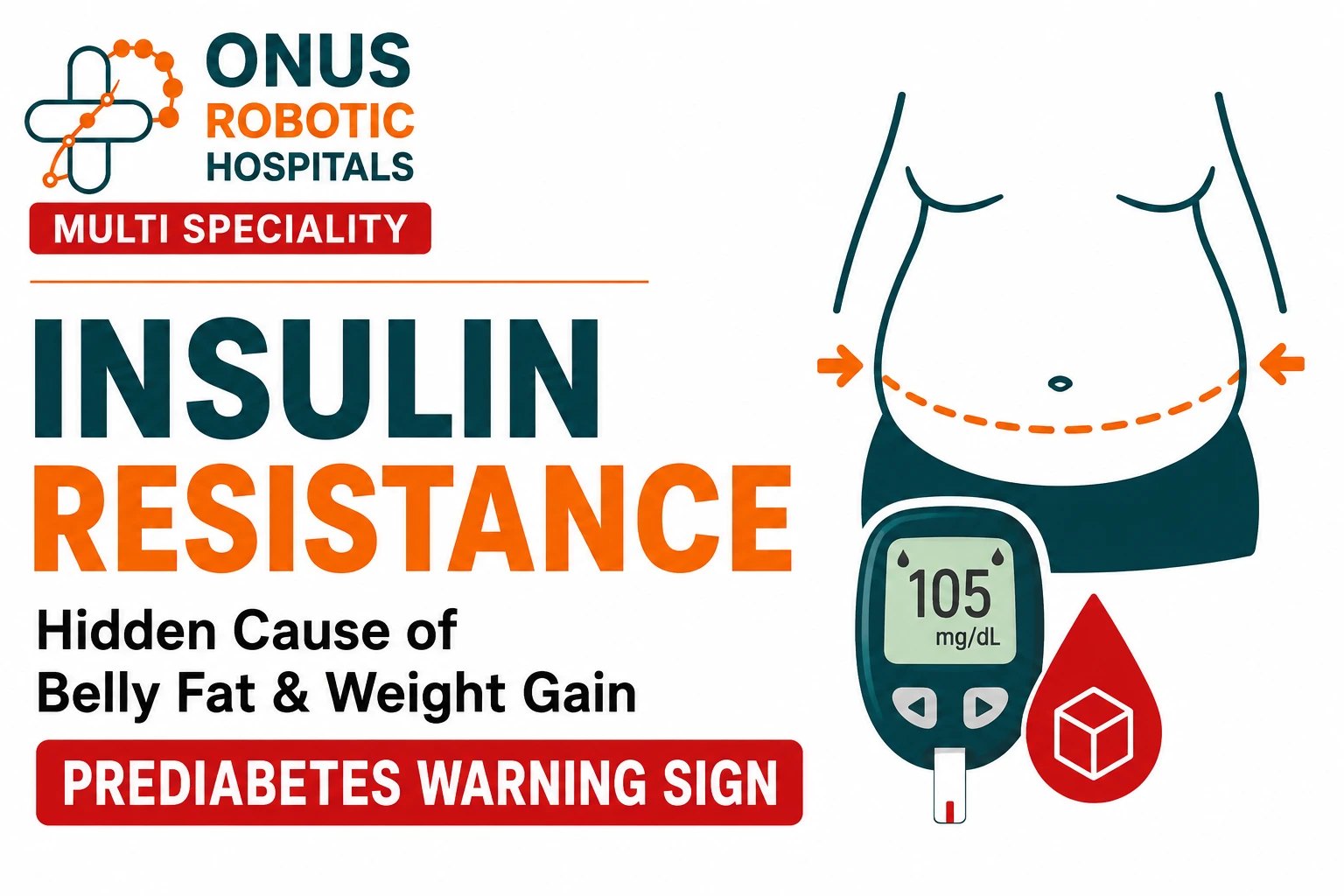
Poor sleep can affect hunger hormones, insulin sensitivity, cravings, stress levels, and morning sugar levels. Patients who sleep late, sleep less, or have disturbed sleep may find it harder to control diabetes.
Healthy sleep habits include:
- Maintain a regular sleep time
- Avoid heavy late dinners
- Reduce screen time before bed
- Avoid caffeine late evening
- Create a calm sleep environment
- Treat snoring or suspected sleep apnea
- Avoid late-night snacking unless medically advised
Salt Control for BP and Heart Health
Many patients with diabetes also have high blood pressure, cholesterol problems, kidney risk, or heart disease risk. Salt control is important for BP and heart health.
Reduce:
- Pickles
- Papads
- Packed snacks
- Namkeen
- Salted biscuits
- Processed foods
- Fast food
- Excess table salt
Salt reduction should be combined with BP monitoring, medication adherence, weight control, and doctor follow-up.
Practical Lifestyle Changes for Diabetes Control
- Follow a balanced diet with portion control
- Reduce excess oil and fried foods
- Walk after meals
- Do regular strength training
- Sleep on time
- Manage stress with relaxation techniques
- Reduce salt intake
- Monitor blood sugar regularly
- Take medicines as prescribed
- Avoid stopping medicines without doctor advice
- Follow up with your physician or diabetologist
Diabetes care needs consistency. One-day correction will not reverse years of poor habits. Daily discipline matters.
When Should You Consult a Doctor?
Consult a physician or diabetologist if you have:
- High fasting or post-meal sugar levels
- Frequent sugar fluctuations
- Excess thirst or urination
- Unexplained weight loss
- Fatigue or blurred vision
- Foot burning, numbness, or wounds
- High BP with diabetes
- Repeated infections
- Poor sleep or high stress affecting sugar
- Need for diet, medicine, or insulin adjustment
Regular medical follow-up helps prevent complications and keeps treatment safe.
Expert Diabetes & Lifestyle Disease Care at ONUS Robotic Hospitals
At ONUS Robotic Hospitals, patients with diabetes, BP, thyroid problems, infections, vitamin deficiencies, and lifestyle-related health conditions receive expert evaluation and personalized treatment.
Consultation
📍 Dr. Ravi Kiran
Diabetologist & Preventive Medicine Specialist
Onus Robotic Hospital, Hyderabad