Regain Strength, Mobility & Independence with Robotic Physiotherapy
Recovering from an injury, surgery, stroke, or neurological condition can be challenging. Traditional physiotherapy plays a vital role in rehabilitation, but modern technology has made recovery more precise, effective, and engaging. Robotic Physiotherapy combines advanced robotic-assisted devices with expert physiotherapy techniques to help patients regain movement, strength, balance, and confidence more efficiently.
At ONUS Robotic Hospitals, robotic physiotherapy is designed to provide personalized rehabilitation programs for patients recovering from orthopedic surgeries, neurological disorders, sports injuries, and chronic musculoskeletal conditions.
What is Robotic Physiotherapy?
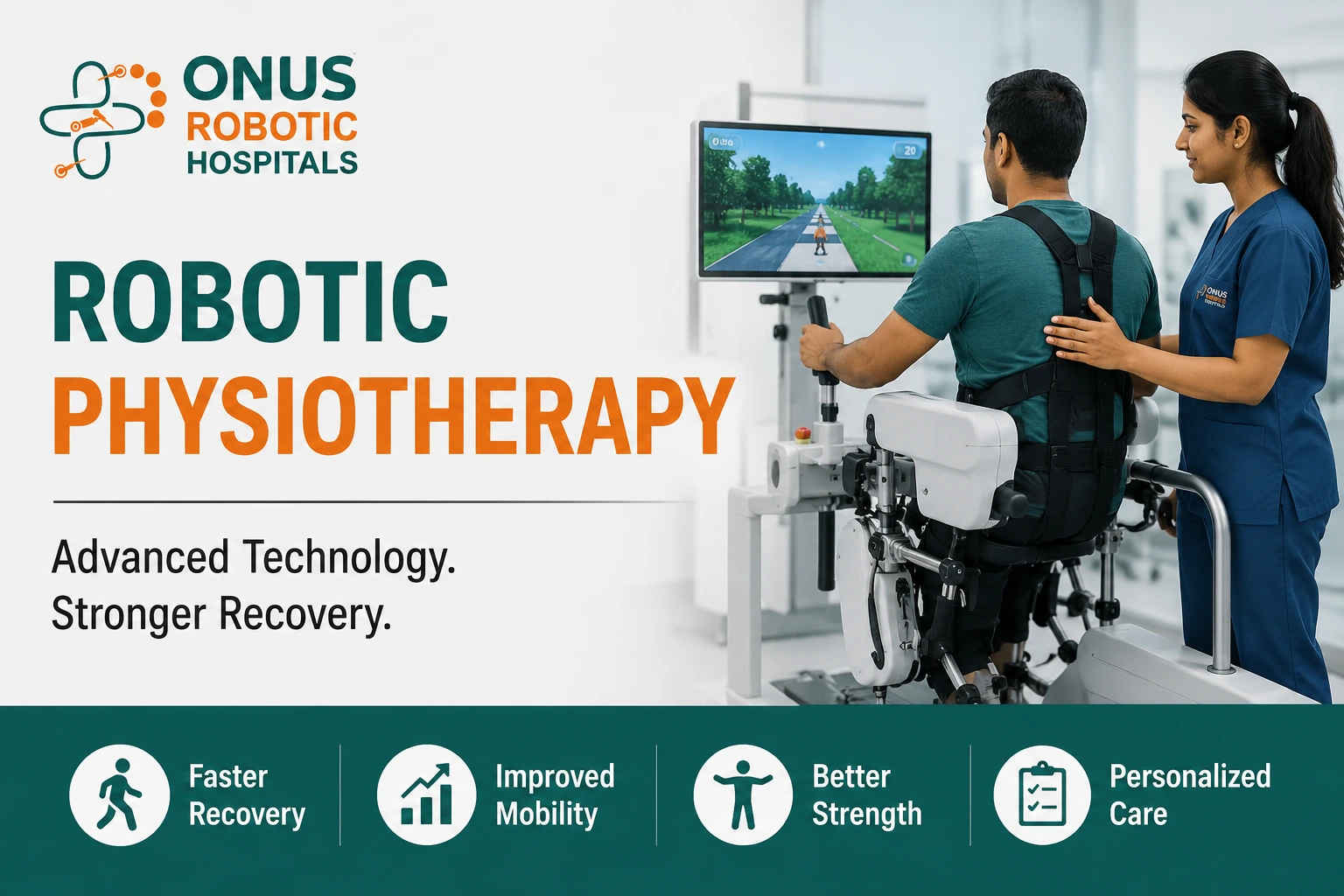
Robotic Physiotherapy is an advanced rehabilitation approach that uses robotic-assisted devices to guide and support body movements during therapy sessions. These systems help patients perform repetitive, controlled, and accurate movements that promote muscle recovery, improve coordination, and restore joint function.
The robotic equipment works alongside experienced physiotherapists, ensuring that every exercise is performed safely while monitoring the patient’s progress in real time.
How Does Robotic Physiotherapy Work?
Robotic rehabilitation devices assist patients by:
- Supporting weak muscles during movement
- Guiding joints through the correct range of motion
- Providing controlled resistance or assistance
- Tracking movement accuracy and progress
- Adjusting therapy intensity based on patient recovery
This technology enables patients to perform high-quality rehabilitation exercises that may be difficult with conventional therapy alone.
Who Can Benefit from Robotic Physiotherapy?
Robotic Physiotherapy may benefit patients recovering from:
- Knee Replacement Surgery (TKR)
- Hip Replacement Surgery (THR)
- ACL Reconstruction
- Shoulder Surgery
- Spine Surgery
- Stroke Rehabilitation
- Parkinson’s Disease
- Spinal Cord Injury
- Sports Injuries
- Fractures and Trauma
- Arthritis-related Mobility Problems
- Balance and Gait Disorders
- Neurological Conditions affecting movement
Benefits of Robotic Physiotherapy
Robotic-assisted rehabilitation offers several advantages, including:
Faster Functional Recovery
Guided repetitive movements help improve muscle strength and joint mobility.
Improved Walking Ability
Robotic gait training assists patients in regaining proper walking patterns.
Better Balance and Coordination
The technology enhances posture, balance, and movement control.
Personalized Rehabilitation
Exercises are tailored according to each patient’s condition and recovery stage.
Real-Time Progress Monitoring
Therapists can accurately measure improvements in strength, mobility, and endurance.
Reduced Pain During Therapy
Controlled movements minimize unnecessary strain while maximizing rehabilitation.
Increased Patient Motivation
Interactive rehabilitation systems encourage patients to actively participate in recovery.
Conditions Commonly Treated
Robotic Physiotherapy is commonly recommended for:
- Post-operative orthopedic rehabilitation
- Stroke recovery
- Neurological rehabilitation
- Joint stiffness
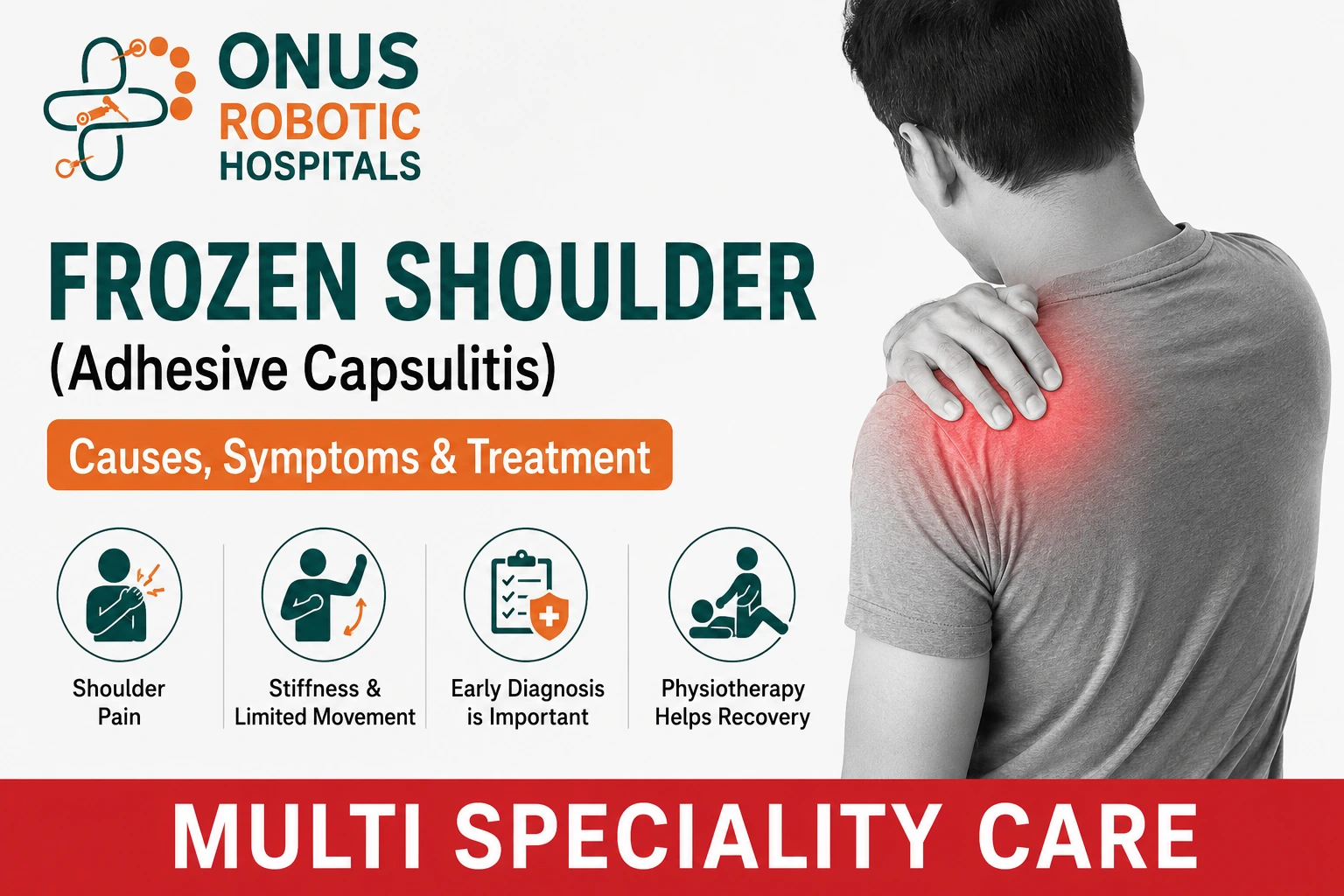
- Frozen shoulder
- Chronic back pain
- Sports rehabilitation
- Muscle weakness
- Gait abnormalities
- Balance disorders
What Happens During a Robotic Physiotherapy Session?
A typical session includes:
Initial Assessment
The physiotherapist evaluates your medical condition, mobility, strength, and rehabilitation goals.
Customized Treatment Plan
A personalized therapy program is created based on your diagnosis and recovery needs.
Robotic-Assisted Exercises
Patients perform guided movements using advanced robotic rehabilitation devices under expert supervision.
Functional Training
Exercises focus on improving walking, balance, flexibility, coordination, and daily activities.
Progress Evaluation
Each session is monitored, allowing therapists to adjust the treatment plan as recovery progresses.
Why Choose Robotic Physiotherapy?
Compared with conventional rehabilitation alone, robotic physiotherapy provides:
- Consistent movement accuracy
- Better exercise repetition
- Objective progress tracking
- Enhanced patient safety
- Earlier functional improvement
- Comprehensive rehabilitation approach
It complements traditional physiotherapy rather than replacing it, offering patients a more advanced path to recovery.
Tips to Improve Rehabilitation Success
Patients can maximize their recovery by:
- Attending therapy sessions regularly
- Following prescribed home exercises
- Maintaining a healthy diet
- Staying hydrated
- Getting adequate sleep
- Following medical advice after surgery or injury
- Remaining motivated and consistent with rehabilitation
When Should You Consult a Physiotherapist?
You should seek professional rehabilitation if you experience:
- Difficulty walking after surgery
- Persistent joint stiffness
- Muscle weakness
- Limited range of motion
- Poor balance
- Delayed recovery after fractures
- Difficulty performing daily activities
- Neurological movement disorders
Early rehabilitation often leads to faster recovery and better long-term outcomes.
Conclusion
Robotic Physiotherapy represents the future of rehabilitation by combining advanced technology with expert clinical care. Whether recovering from orthopedic surgery, neurological conditions, or sports injuries, robotic-assisted rehabilitation helps patients regain mobility, strength, confidence, and independence safely and effectively.
At ONUS Robotic Hospitals, our experienced rehabilitation team provides personalized robotic physiotherapy programs focused on restoring function and improving quality of life.
For Appointments:
Dr. Balaraju Naidu, Robotic Orthopedic Surgeon
ONUS Robotic Hospitals – Hyderabad
👉 link: contact-us or book-appointment