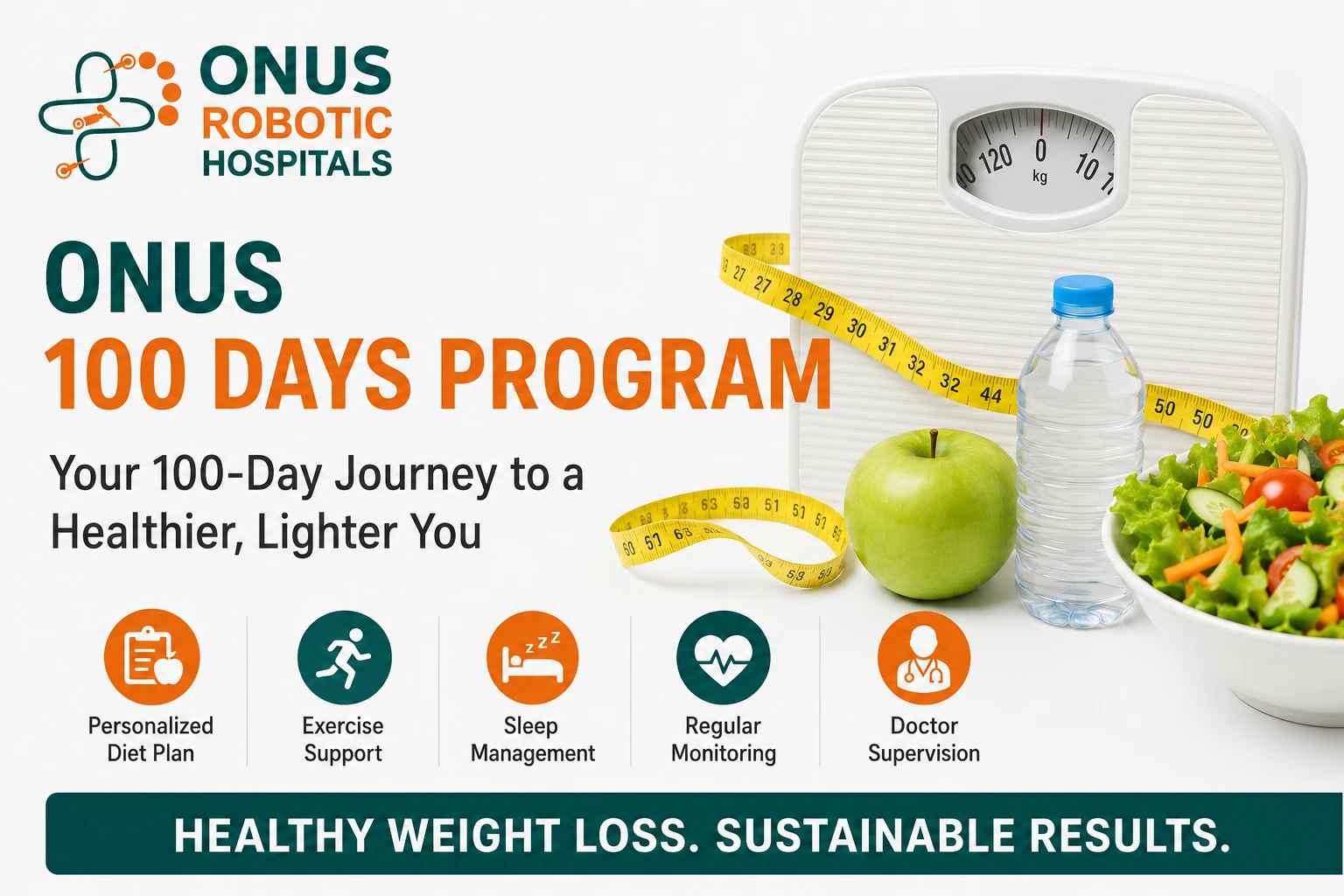
100-Day Doctor-Led Weight Loss & Metabolic Health Program – By Dr. Ravi Kiran | Diabetologist, Onus Robotic Hospital
Lose Weight. Reduce Belly Fat. Improve Your Health.
Being overweight is more than just a cosmetic concern. Excess body weight—especially abdominal or belly fat—can increase the risk of several chronic health conditions, including type 2 diabetes, fatty liver disease, high blood pressure, abnormal cholesterol levels, sleep disorders, and heart disease.
Many people try multiple diets, gym memberships, or weight loss products but struggle to achieve lasting results. The problem is that weight loss requires more than simply eating less—it requires understanding your body’s metabolism, improving lifestyle habits, and receiving the right medical guidance.
ONUS Slim 100™ is a structured 100-day doctor-led weight loss and metabolic health program designed to help individuals lose weight safely, improve metabolic health, and build sustainable lifestyle habits for long-term success.
Why Weight Gain Is More Than Just Extra Fat
Obesity affects nearly every organ in the body. Excess fat, particularly around the abdomen, acts as an active tissue that produces inflammatory chemicals and disrupts normal metabolism.
People who are overweight are at a higher risk of developing:
- Type 2 Diabetes
- Prediabetes
- Fatty Liver Disease
- High Blood Pressure
- High Cholesterol
- Heart Disease
- Sleep Apnea
- Joint Pain
- Reduced Mobility
- Low Energy Levels
- Hormonal Imbalances
Weight management is therefore one of the most effective ways to improve overall health and reduce future disease risk.
Understanding Metabolic Syndrome
Metabolic Syndrome is not a single disease but a combination of health conditions that often occur together.
A person may be diagnosed with metabolic syndrome when several of the following are present:
- Increased waist circumference
- Elevated blood sugar
- High blood pressure
- High triglycerides
- Low HDL (“good”) cholesterol
Having metabolic syndrome significantly increases the risk of developing diabetes, stroke, and cardiovascular disease.
The good news is that early intervention through weight reduction and lifestyle changes can greatly improve these risk factors.
📍 Dr. Ravi Kiran
Diabetologist & Preventive Medicine Specialist
Onus Robotic Hospital, Hyderabad