Introduction
Shoulder pain is one of the most common orthopedic problems that can significantly affect daily life. Simple activities such as lifting your arm, combing your hair, wearing clothes, eating, driving, or reaching behind your back can become painful and difficult.
One of the leading causes of persistent shoulder pain is Frozen Shoulder (Adhesive Capsulitis). It is particularly common among people with diabetes, although it can affect anyone.
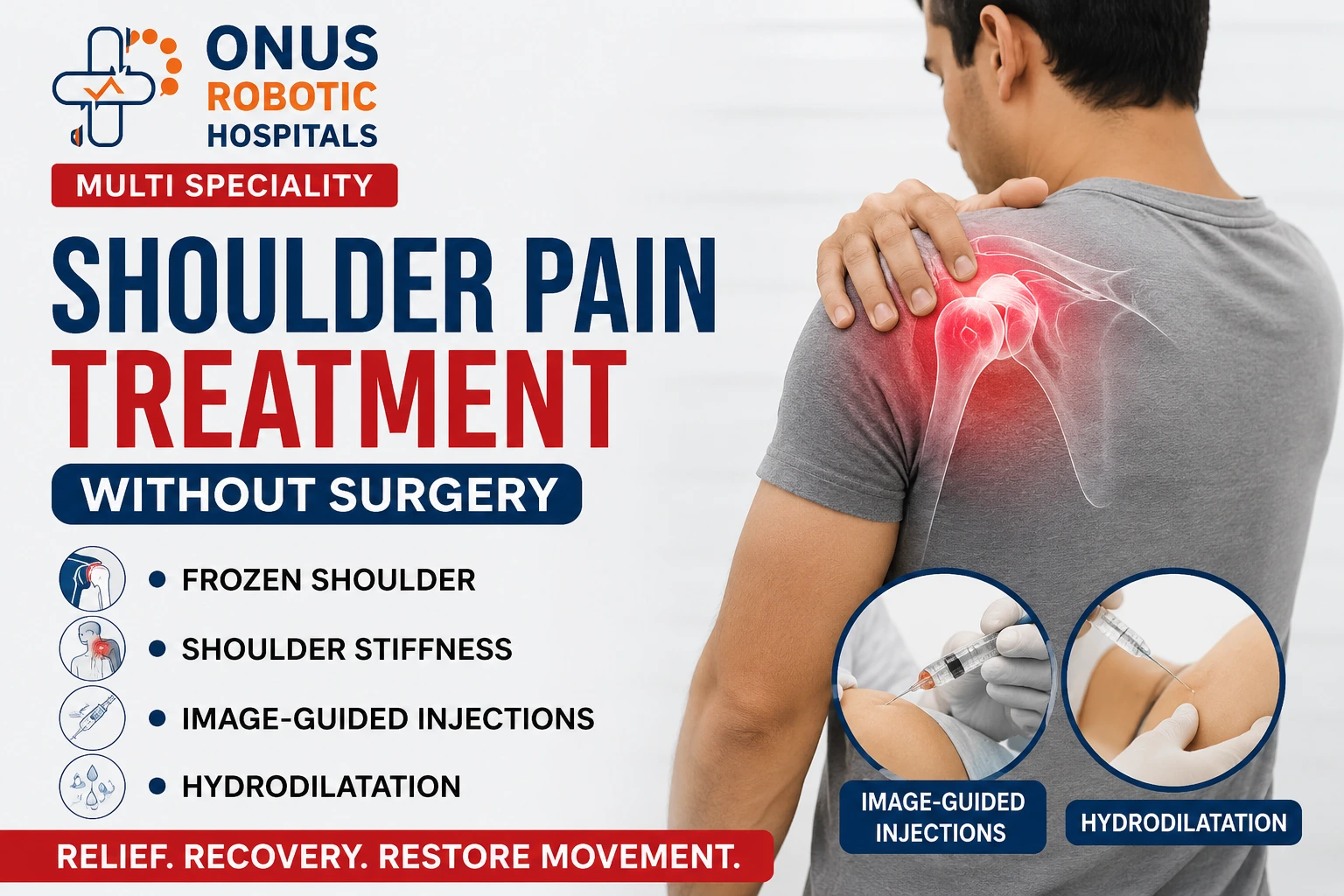
The good news is that many patients can recover without surgery through early diagnosis, image-guided shoulder injections, hydrodilatation, physiotherapy, and appropriate medical treatment.
According to Dr. Balaraju Naidu, Robotic Joint Replacement Surgeon at ONUS Robotic Hospitals, selecting the right treatment depends on the underlying cause, severity of stiffness, and the patient’s overall health.
What is Frozen Shoulder?
Frozen Shoulder, also known as Adhesive Capsulitis, occurs when the capsule surrounding the shoulder joint becomes inflamed and tight. This leads to pain, stiffness, and reduced movement.
The condition usually develops gradually and may worsen if left untreated.
Why Does Shoulder Pain Occur?
Several conditions can cause shoulder pain, including:
- Frozen Shoulder
- Shoulder Joint Stiffness
- Subacromial Impingement Syndrome
- Rotator Cuff Inflammation
- Tendon Injuries
- Arthritis
- Sports Injuries
- Previous Shoulder Trauma
A thorough clinical examination and imaging studies help identify the exact cause.
Why Are Diabetic Patients More Prone to Frozen Shoulder?
People with diabetes are at a higher risk of developing Frozen Shoulder.
High blood sugar levels can affect connective tissues around the shoulder, causing inflammation and stiffness.
Diabetic patients often experience:
- More severe pain
- Greater stiffness
- Longer recovery time
- Higher recurrence risk
Good diabetes control supports better recovery and improves treatment outcomes.
Common Symptoms of Frozen Shoulder
You should consult an orthopedic specialist if you experience:
- Shoulder pain lasting more than a few weeks
- Difficulty lifting your arm
- Pain while combing hair
- Difficulty wearing clothes
- Pain while bathing
- Inability to reach behind your back
- Night pain affecting sleep
- Progressive shoulder stiffness
- Reduced range of motion
Early treatment often leads to faster recovery.
Understanding Subacromial Impingement
Subacromial Impingement occurs when the tendons of the shoulder become compressed between the shoulder bones during movement.
Common symptoms include:
- Pain while lifting the arm
- Pain above shoulder level
- Weakness
- Difficulty carrying objects
- Pain during overhead activities
Without treatment, the condition may worsen and affect shoulder function.
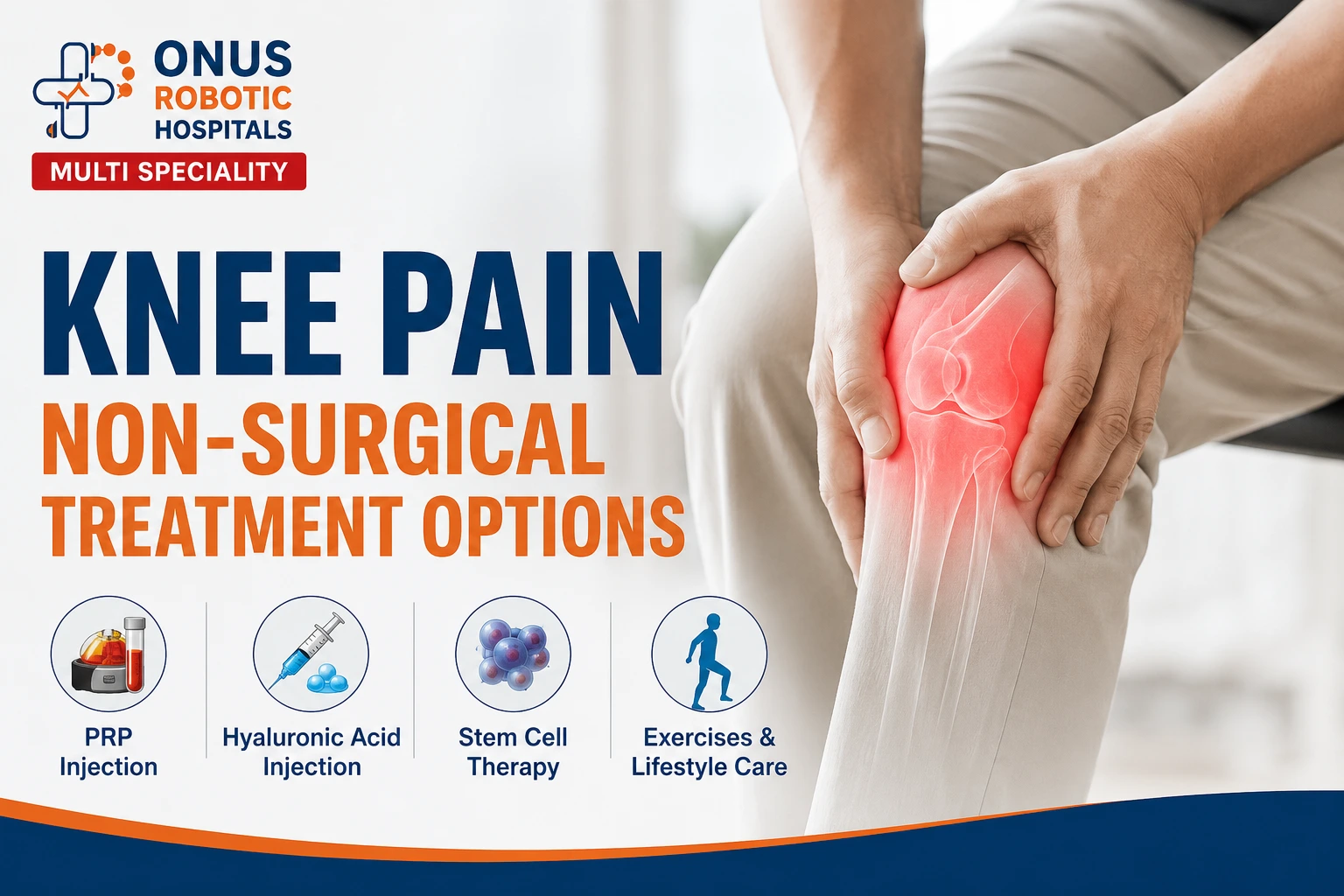
Non-Surgical Treatment Options
Many patients can be successfully treated without surgery.
Treatment depends on:
- Age
- Severity of stiffness
- Duration of symptoms
- Diabetes status
- Imaging findings
- Daily activity requirements
1. Medications
During the early stages, doctors may prescribe medications to:
- Reduce pain
- Control inflammation
- Improve comfort during movement
Medications are generally combined with physiotherapy for better outcomes.
2. Physiotherapy
Physiotherapy is one of the most important treatments for Frozen Shoulder.
Benefits include:
- Improved flexibility
- Reduced stiffness
- Better shoulder movement
- Muscle strengthening
- Faster recovery
Patients should perform exercises regularly under professional guidance.
3. Image-Guided Shoulder Injections
If pain and stiffness persist despite medications and physiotherapy, doctors may recommend image-guided shoulder injections.
Using ultrasound or fluoroscopic guidance allows precise placement of medication into the affected joint.
Benefits include:
- Targeted pain relief
- Reduced inflammation
- Improved range of motion
- Better physiotherapy outcomes
Image guidance improves both safety and accuracy.
4. Hydrodilatation
Hydrodilatation is a minimally invasive procedure used to treat Frozen Shoulder.
During the procedure, sterile fluid is injected into the shoulder joint under imaging guidance to gently stretch the tight joint capsule.
Benefits of Hydrodilatation
- Reduces stiffness
- Improves shoulder mobility
- Decreases pain
- Helps release the frozen capsule
- Speeds up rehabilitation
Many patients experience noticeable improvement when hydrodilatation is combined with physiotherapy.
Why Physiotherapy After Injection is Essential
Injections and hydrodilatation reduce pain and improve movement, but physiotherapy is essential for long-term recovery.
It helps:
- Restore full shoulder motion
- Prevent stiffness from returning
- Strengthen shoulder muscles
- Improve daily function
Skipping physiotherapy may reduce the overall effectiveness of treatment.
When is Surgery Needed?
Most patients improve with conservative treatment.
Surgery may be considered only if:
- Severe stiffness persists
- Symptoms continue despite months of treatment
- Significant structural damage is present
- Daily activities remain severely affected
Your orthopedic specialist will recommend surgery only when necessary.
Tips to Maintain Healthy Shoulders
- Perform shoulder stretching exercises regularly
- Maintain good posture
- Control blood sugar levels
- Avoid prolonged shoulder immobilization
- Treat shoulder pain early
- Follow prescribed physiotherapy
- Stay physically active
When Should You Consult an Orthopedic Specialist?
Seek medical attention if you have:
- Shoulder pain lasting more than 2–3 weeks
- Difficulty lifting your arm
- Progressive stiffness
- Night pain
- Pain interfering with work or sleep
- Diabetes with increasing shoulder stiffness
- Loss of shoulder movement
Early diagnosis can prevent long-term disability.
Conclusion
Shoulder pain and Frozen Shoulder can significantly affect your quality of life, but surgery is not always necessary. Modern non-surgical treatments such as image-guided shoulder injections, hydrodilatation, medications, and structured physiotherapy can provide excellent pain relief and restore shoulder function in many patients.
If you are experiencing persistent shoulder pain or stiffness, consult an experienced orthopedic specialist for an accurate diagnosis and personalized treatment plan.
Frequently Asked Questions (FAQs)
What is Frozen Shoulder?
Frozen Shoulder is a condition where the shoulder joint becomes painful and stiff due to tightening of the joint capsule.
Is Frozen Shoulder common in diabetic patients?
Yes. People with diabetes have a significantly higher risk of developing Frozen Shoulder.
Can Frozen Shoulder be treated without surgery?
Yes. Many patients recover with medications, physiotherapy, image-guided injections, and hydrodilatation.
Is Hydrodilatation painful?
The procedure is performed under image guidance and is generally well tolerated. Your doctor will explain the process and pain management options.
How long does recovery take?
Recovery varies depending on the severity of the condition and how consistently physiotherapy is followed. Many patients notice gradual improvement over weeks to months.
For Appointments:
Dr. Balaraju Naidu, Robotic Orthopedic Surgeon
ONUS Robotic Hospitals – Hyderabad
👉 link: contact-us or book-appointment