Fever Not Going Down After 3 Days? Here’s Why You Should Visit the Hospital – By Dr. Ravi Kiran | Diabetologist, Onus Robotic Hospital

Fever Not Going Down After 3 Days? Here’s Why You Should Visit the Hospital – By Dr. Ravi Kiran | Diabetologist, Onus Robotic Hospital

Fever is one of the most common symptoms of illness. In many cases, it is caused by viral infections and settles within a few days with adequate rest, hydration, and medications prescribed by a doctor. However, when a fever continues beyond three days despite treatment, it should never be ignored.

Persistent fever may indicate an underlying infection that requires further investigation. Identifying the exact cause early can help doctors provide the right treatment and prevent complications.

In this article, Dr. Ravi Kiran, General Physician & Diabetologist, explains why prolonged fever needs proper medical evaluation and when you should seek immediate medical attention.


What Is a Fever?

A fever is the body’s natural response to infection. It occurs when your immune system raises your body temperature to fight harmful viruses, bacteria, or parasites.

A normal body temperature ranges between 36.5Β°C and 37.5Β°C (97.7Β°F–99.5Β°F). A temperature above 38Β°C (100.4Β°F) is generally considered a fever.

While fever itself is not a disease, it is an important sign that your body is fighting an illness.


Is It Normal for Fever to Last Several Days?

Yes, some viral infections can cause fever for two or three days. However, if:

  • Fever continues beyond 3 days
  • Medicines are not reducing the temperature
  • Fever keeps returning after temporary relief

you should consult a doctor for proper diagnosis.

Treating fever without identifying the underlying cause may delay recovery.


Why Doesn’t Fever Reduce Even After Taking Medicines?

Many people start taking antibiotics or over-the-counter fever medicines as soon as they develop a fever. However, medicines may not work if the actual cause of the illness has not been identified.

Some common reasons include:

  • Viral infections
  • Dengue fever
  • Malaria
  • Typhoid fever
  • Tuberculosis (TB)
  • Urinary tract infections
  • Lung infections
  • Other bacterial infections

Each illness requires a different treatment approach. Antibiotics do not work against viral infections, while diseases like malaria require specific medications.


Common Causes of Fever Lasting More Than 3 Days

1. Dengue Fever

Dengue is spread through mosquito bites and often causes:

  • High fever
  • Severe body pain
  • Headache
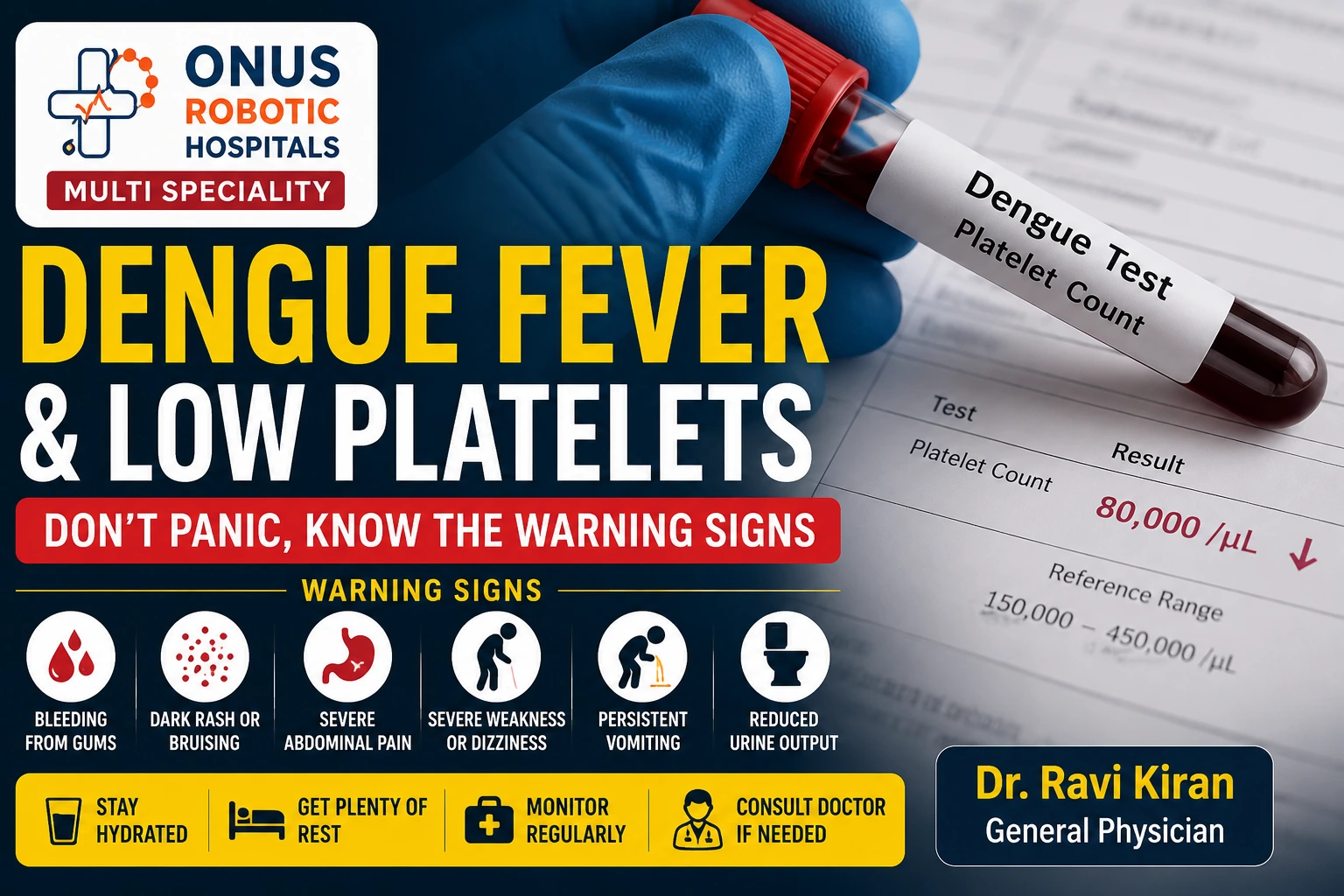
  • Low platelet count
  • Skin rash

Early diagnosis helps monitor platelet levels and prevent complications.


2. Malaria

Malaria commonly presents with:

  • High fever with chills
  • Excessive sweating
  • Weakness
  • Body aches

Prompt diagnosis allows early treatment and prevents severe illness.


3. Typhoid Fever

Typhoid is caused by contaminated food or water.

Symptoms include:

  • Persistent fever
  • Weakness
  • Stomach discomfort
  • Loss of appetite
  • Constipation or diarrhea

Typhoid requires proper antibiotic treatment based on medical evaluation.


4. Tuberculosis (TB)

A fever lasting several weeks may sometimes be due to tuberculosis.

Other symptoms include:

  • Persistent cough
  • Weight loss
  • Night sweats
  • Fatigue

Early diagnosis significantly improves treatment outcomes.


5. Other Viral or Bacterial Infections

Persistent fever may also result from:

  • Viral infections
  • Pneumonia
  • Kidney infections
  • Bloodstream infections
  • COVID-19
  • Influenza

Each condition requires different investigations and treatment.


Why Proper Diagnosis Is More Important Than Just Treating Fever

Reducing body temperature with medicines may provide temporary relief, but it does not cure the infection causing the fever.

Doctors may recommend investigations such as:

  • Complete Blood Count (CBC)
  • Dengue tests
  • Malaria tests
  • Typhoid tests
  • Urine examination
  • Chest X-ray
  • Blood cultures
  • Other tests depending on symptoms

These investigations help identify the exact cause so that appropriate treatment can begin.


Warning Signs You Should Never Ignore

Seek immediate medical attention if fever is associated with:

  • Fever lasting more than 3 days
  • Difficulty breathing
  • Persistent vomiting
  • Severe dehydration
  • Confusion or excessive drowsiness
  • Severe abdominal pain
  • Bleeding from gums or nose
  • Very low urine output
  • Seizures
  • Extreme weakness

These symptoms may indicate a serious infection requiring urgent medical care.


Can Self-Medication Delay Recovery?

Yes.

Many people continue taking antibiotics without consulting a doctor. Incorrect or unnecessary antibiotic use can:

  • Delay proper diagnosis
  • Increase antibiotic resistance
  • Cause unwanted side effects
  • Mask symptoms of serious illness

Always take medicines only under medical supervision.


How Doctors Diagnose Persistent Fever

Your doctor will evaluate:

  • Duration of fever
  • Temperature pattern
  • Associated symptoms
  • Travel history
  • Mosquito exposure
  • Food and water hygiene
  • Previous medical conditions

Based on your symptoms, appropriate laboratory tests will be recommended.


Tips to Recover Faster

While your doctor identifies the cause, you can support recovery by:

  • Drinking plenty of fluids
  • Getting adequate rest
  • Eating light, nutritious meals
  • Monitoring your temperature regularly
  • Taking medicines exactly as prescribed
  • Avoiding self-medication

When Should You Visit the Hospital?

You should visit the hospital if:

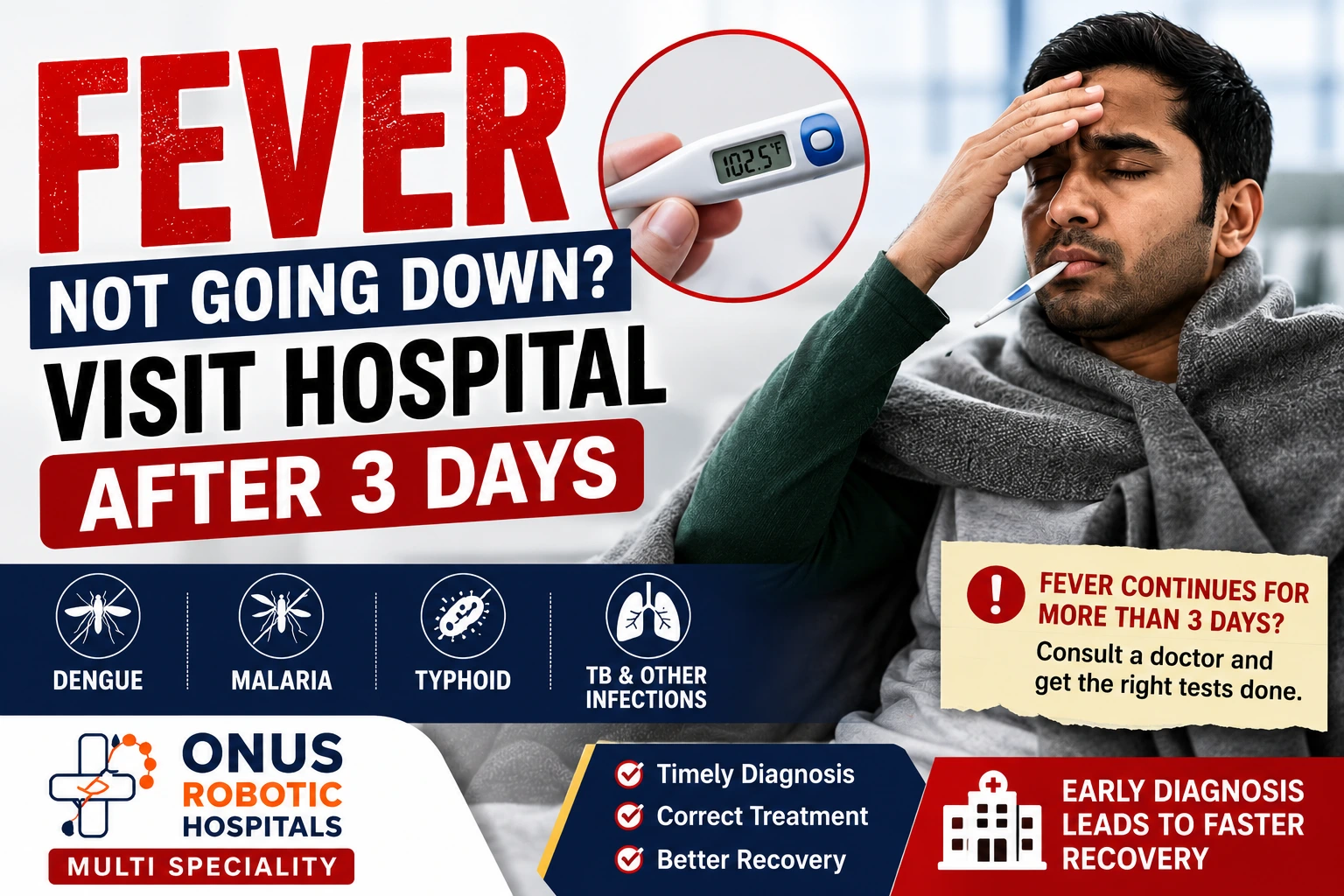
  • Fever continues for more than 3 days
  • Fever is not responding to medicines
  • Symptoms are becoming worse
  • You experience warning signs such as difficulty breathing, bleeding, or severe weakness

Early medical evaluation helps identify the cause quickly, allows timely treatment, and reduces the risk of serious complications.


Conclusion

A fever that does not reduce after three days should never be ignored. While many fevers are caused by viral infections and improve naturally, persistent fever can sometimes indicate illnesses such as dengue, malaria, typhoid, tuberculosis, or other bacterial infections.

The key to recovery is finding the exact cause rather than simply reducing the temperature. Early diagnosis leads to appropriate treatment, faster recovery, and fewer complications.

If your fever persists beyond three days or is accompanied by concerning symptoms, consult a qualified physician without delay.


Frequently Asked Questions (FAQs)

How many days is it normal to have a fever?

Most viral fevers improve within 2–3 days. If fever lasts longer than three days, medical evaluation is recommended.

Should I take antibiotics for fever?

Not always. Antibiotics only work against bacterial infections and should be taken only when prescribed by a doctor.

Can dengue fever last more than three days?

Yes. Dengue fever commonly lasts several days and requires medical monitoring, especially if platelet counts begin to fall.

What tests are done for prolonged fever?

Doctors may recommend CBC, dengue test, malaria test, typhoid test, urine tests, blood cultures, chest X-ray, or other investigations depending on your symptoms.

When should I go to the hospital for fever?

Visit a hospital if your fever lasts more than three days, becomes very high, or is associated with severe symptoms like breathing difficulty, bleeding, confusion, persistent vomiting, or dehydration.

Consultation

πŸ“ Dr. Ravi Kiran
Diabetologist & Preventive Medicine Specialist
Onus Robotic Hospital, Hyderabad


Book Doctor Appointment
Book Free Appointment
Please enable JavaScript in your browser to complete this form.
WhatsApp