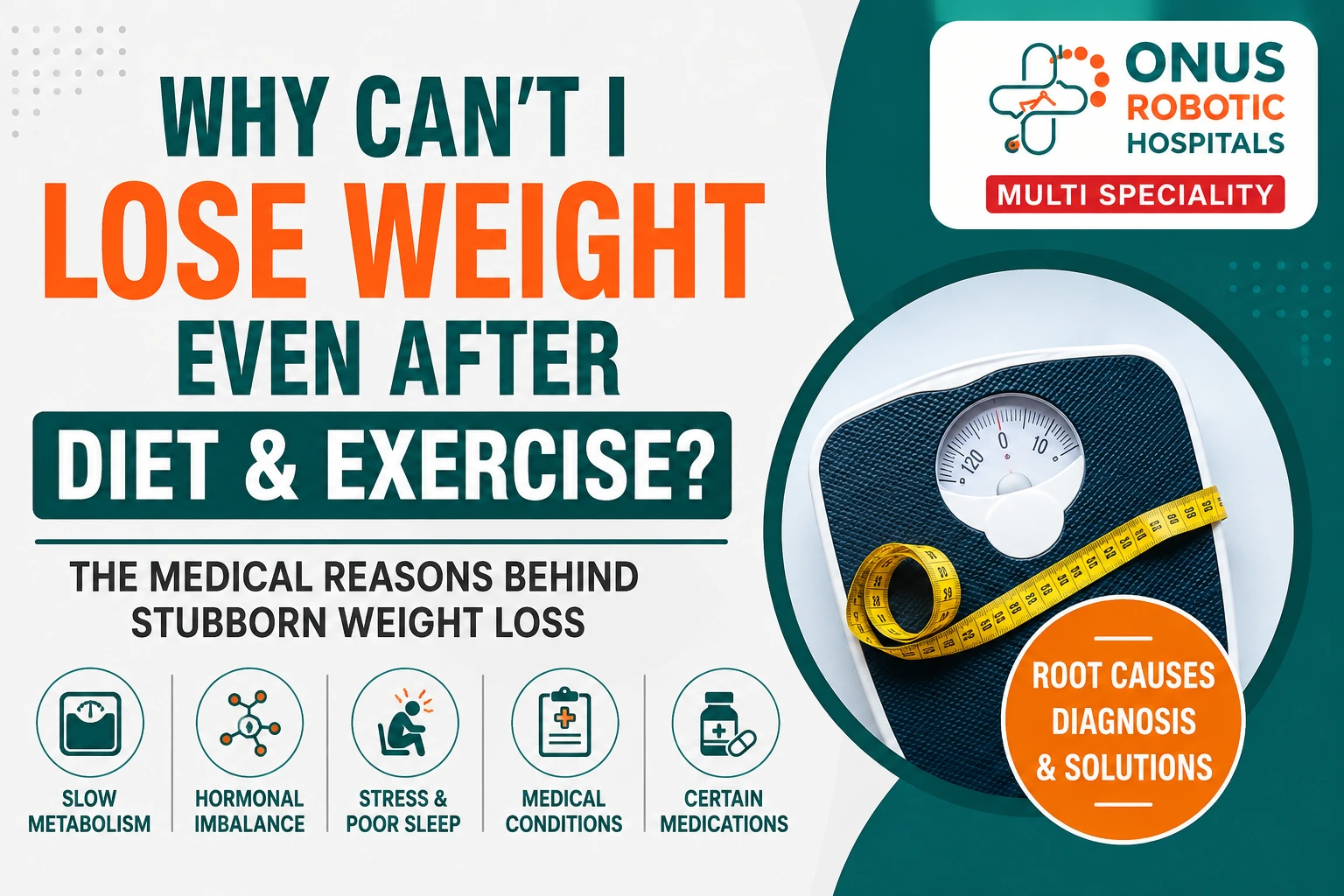
Why Can’t I Lose Weight Despite Dieting and Exercise? Understanding the Hidden Medical Causes of Stubborn Weight Loss – By Dr. Ravi Kiran | Diabetologist, Onus Robotic Hospital

Why Can’t I Lose Weight Despite Dieting and Exercise? Understanding the Hidden Medical Causes of Stubborn Weight Loss – By Dr. Ravi Kiran | Diabetologist, Onus Robotic Hospital

Introduction

Have you ever felt frustrated because you’re eating healthy, exercising regularly, and still not seeing the results you expect on the weighing scale?

Many people believe weight loss is simply a matter of eating less and moving more. While nutrition and physical activity are fundamental to good health, the reality is much more complex. Weight regulation is influenced by a combination of hormones, metabolism, genetics, sleep quality, stress levels, medications, age, and underlying medical conditions.

This is why two people following the same diet and exercise plan may experience completely different results.

At Health Vision General & Sugar Clinic, Dr. P. Ravi Kiran helps patients understand the biological and medical factors affecting weight loss and provides personalized treatment plans focused on long-term metabolic health rather than short-term dieting.


Understanding How the Body Regulates Weight

Your body is designed to maintain energy balance and protect itself from starvation. When you reduce calorie intake, your body often responds by slowing down metabolism, increasing hunger hormones, and conserving energy.

This natural survival mechanism can make weight loss progressively more difficult, especially after repeated dieting attempts.

Weight management is therefore not simply about willpowerβ€”it’s about understanding how your body responds to food, activity, hormones, and lifestyle factors.


Why Some People Lose Weight Easily While Others Struggle

Several factors influence how efficiently your body burns calories and stores fat:

  • Genetics
  • Hormonal balance
  • Age
  • Muscle mass
  • Sleep patterns
  • Stress levels
  • Medical conditions
  • Medication use
  • Gut health
  • Insulin sensitivity

Even when two individuals consume similar calories, their bodies may process and store energy differently.


Medical Reasons You May Not Be Losing Weight

1. Insulin Resistance: The Hidden Barrier to Fat Loss

Insulin is a hormone responsible for moving glucose from the bloodstream into cells.

When the body becomes resistant to insulin, the pancreas produces more insulin to compensate. Elevated insulin levels encourage fat storage and make it more difficult to burn stored fat.

Conditions Associated with Insulin Resistance

  • Prediabetes
  • Type 2 Diabetes
  • PCOS
  • Fatty Liver Disease
  • Metabolic Syndrome
  • Obesity

Common Signs

  • Weight gain around the abdomen
  • Sugar cravings
  • Fatigue after meals
  • Difficulty losing weight

Addressing insulin resistance often becomes the turning point for successful weight loss.


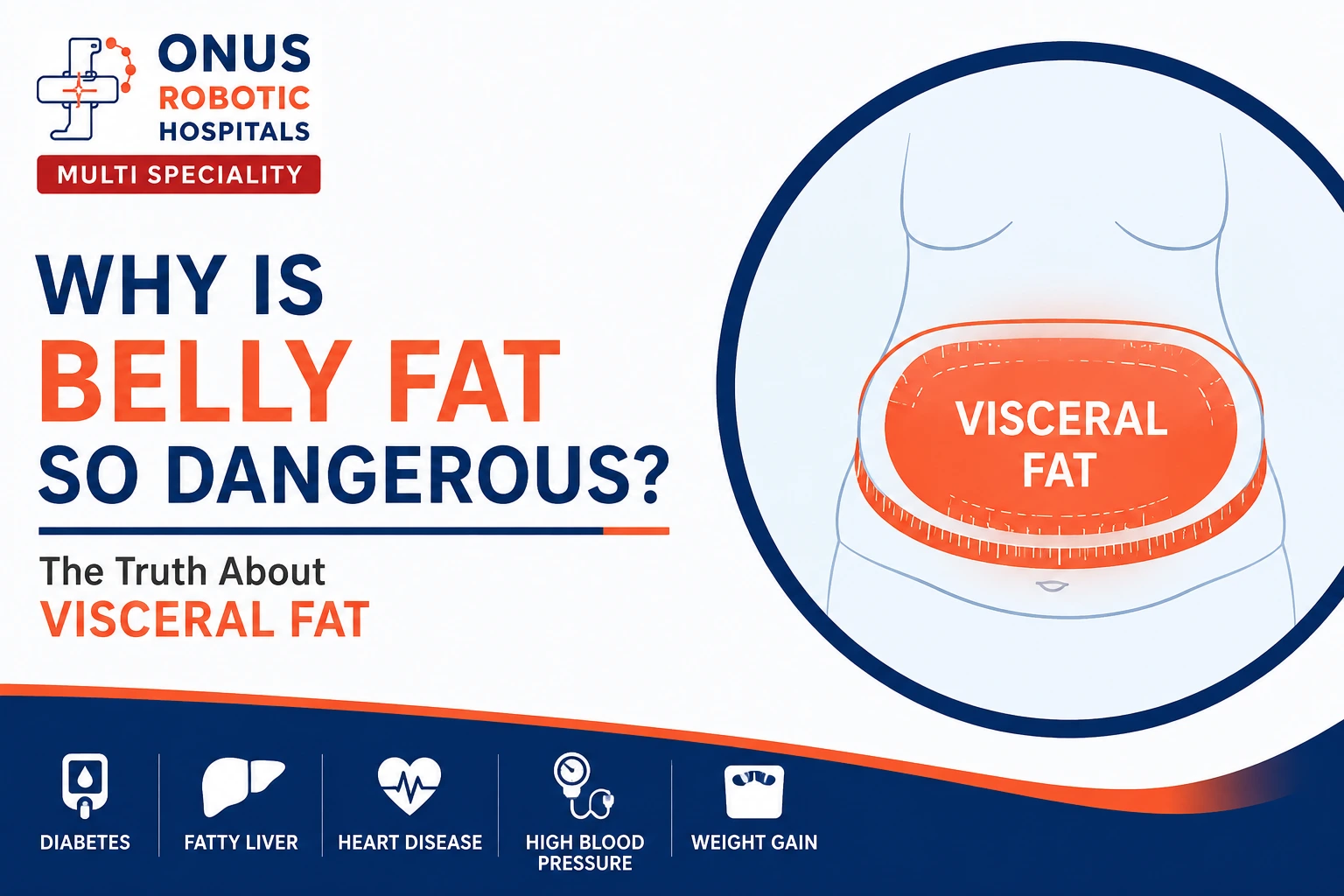
2. Visceral Fat and Metabolic Dysfunction

Not all fat is equally harmful.

Subcutaneous Fat

Located beneath the skin.

Visceral Fat

Stored around internal organs such as:

  • Liver
  • Pancreas
  • Intestines
  • Kidneys

Visceral fat actively produces inflammatory chemicals that worsen insulin resistance and increase the risk of:

  • Diabetes
  • Heart disease
  • Stroke
  • Fatty liver disease

Reducing visceral fat often improves health markers even before major weight loss occurs.


3. Poor Sleep Quality

Sleep is one of the most overlooked aspects of weight management.

Research shows that sleeping fewer than seven hours regularly can affect hormones that regulate hunger and fullness.

Effects of Poor Sleep

  • Increased appetite
  • Stronger cravings for sugary foods
  • Reduced energy levels
  • Increased cortisol production
  • Slower recovery after exercise
  • Greater risk of weight gain

Prioritizing sleep can significantly improve weight-loss outcomes.


4. Chronic Stress and Elevated Cortisol

Stress triggers the release of cortisol, commonly known as the “stress hormone.”

When cortisol remains elevated for prolonged periods, it can:

  • Increase appetite
  • Promote belly fat accumulation
  • Increase cravings for high-calorie foods
  • Affect blood sugar regulation
  • Reduce motivation to exercise

Managing stress through lifestyle interventions is an important part of successful weight management.


5. Thyroid Disorders

The thyroid gland controls many metabolic processes in the body.

Hypothyroidism

An underactive thyroid can contribute to:

  • Weight gain
  • Fatigue
  • Constipation
  • Dry skin
  • Hair thinning
  • Sensitivity to cold

Although thyroid disorders are not responsible for most cases of obesity, they should be evaluated when symptoms suggest a hormonal imbalance.


6. Polycystic Ovary Syndrome (PCOS)

PCOS is one of the most common hormonal disorders affecting women of reproductive age.

Many women with PCOS experience:

  • Insulin resistance
  • Difficulty losing weight
  • Irregular menstrual cycles
  • Acne
  • Excess facial hair growth

A combination of medical management, nutrition, and exercise can significantly improve outcomes.


7. Medications That May Affect Weight

Certain medications can contribute to weight gain or make weight loss more challenging.

Examples include medications used for:

  • Diabetes
  • Depression
  • Anxiety
  • Epilepsy
  • Steroid-treated conditions
  • High blood pressure

Patients should never stop prescribed medications without consulting their healthcare provider.


Hidden Calories: Are You Eating More Than You Think?

Many people unintentionally consume more calories than they realize.

Common Hidden Sources

  • Sweetened tea and coffee
  • Soft drinks
  • Fruit juices
  • Energy drinks
  • Restaurant meals
  • Bakery products
  • Fried snacks
  • Large portions
  • Frequent grazing throughout the day

Food tracking can help identify patterns that are preventing progress.


Why the Weighing Scale Doesn’t Always Tell the Full Story

One of the biggest mistakes people make is relying solely on body weight.

Positive Changes That May Not Show on the Scale

  • Reduced body fat percentage
  • Increased muscle mass
  • Smaller waist circumference
  • Better blood sugar control
  • Improved fitness levels
  • Reduced visceral fat

Body composition often provides a more accurate picture of progress than weight alone.


Understanding Weight-Loss Plateaus

Almost everyone experiences a plateau at some point.

Why Plateaus Happen

As body weight decreases:

  • Calorie requirements decrease
  • Metabolism adapts
  • Energy expenditure falls
  • The body becomes more efficient

A plateau does not mean failure. It simply means your treatment strategy may need modification.


The Critical Role of Strength Training

Many individuals focus only on walking, jogging, or cardio workouts.

While cardiovascular exercise is beneficial, resistance training provides unique advantages.

Benefits of Strength Training

  • Preserves muscle mass
  • Boosts metabolic rate
  • Improves insulin sensitivity
  • Enhances fat burning
  • Strengthens bones
  • Supports long-term weight maintenance

The most effective programs typically combine both cardio and strength training.


Why Crash Diets Often Lead to Weight Regain

Quick-fix diets may produce short-term results, but they rarely provide sustainable outcomes.

Problems with Crash Diets

  • Muscle loss
  • Nutritional deficiencies
  • Fatigue
  • Increased hunger
  • Slower metabolism
  • Rebound weight gain

Successful weight management requires sustainable lifestyle changes rather than extreme restrictions.


Emotional and Behavioral Factors in Weight Management

Weight gain is not always driven by hunger.

Many people eat in response to:

  • Stress
  • Anxiety
  • Boredom
  • Loneliness
  • Emotional distress

Recognizing emotional eating patterns can be an important part of long-term success.


When Should You Seek Medical Help for Weight Loss?

Consult a healthcare professional if:

  • You have obesity or severe overweight
  • Weight continues to increase despite efforts
  • You repeatedly regain lost weight
  • You have diabetes or prediabetes
  • You have fatty liver disease
  • You suspect hormonal issues
  • You have PCOS
  • You experience symptoms of thyroid disease

A detailed medical evaluation can uncover hidden factors that may be preventing progress.


The Health Vision 100-Day Metabolic Transformation Program

Dr. P. Ravi Kiran’s structured metabolic health program focuses on identifying and treating the underlying causes of obesity rather than simply reducing calories.

Program Features

βœ… Comprehensive Medical Evaluation
βœ… Body Composition Analysis
βœ… Personalized Nutrition Planning
βœ… Exercise Prescription
βœ… Diabetes & Prediabetes Management
βœ… Fatty Liver Monitoring
βœ… Lifestyle Coaching
βœ… Regular Follow-Up Reviews
βœ… Sustainable Weight Maintenance Strategies

The goal is not only weight loss but long-term improvement in metabolic health and quality of life.


Frequently Asked Questions

Why am I exercising every day but not losing weight?

You may be gaining muscle while losing fat, consuming more calories than expected, experiencing a plateau, or dealing with medical conditions such as insulin resistance or thyroid disorders.

Should I avoid all carbohydrates?

No. Healthy carbohydrates can be part of a balanced diet. Portion control and food quality are more important than complete elimination.

Can people over 40 still lose weight?

Absolutely. Although metabolism changes with age, proper nutrition, exercise, sleep, and medical guidance can help individuals achieve meaningful weight loss at any age.

Are weight-loss medications safe?

Certain medications can be effective for carefully selected patients but should only be used under medical supervision after a comprehensive evaluation.


Conclusion

If you are struggling to lose weight despite consistent dieting and exercise, the issue may be more complex than simply calories consumed versus calories burned.

Insulin resistance, hormonal imbalances, poor sleep, chronic stress, visceral fat, medications, and metabolic adaptation can all influence your body’s ability to lose weight.

Rather than relying on restrictive diets or quick fixes, successful weight management requires understanding the underlying causes and creating a personalized, evidence-based strategy.

With proper medical evaluation and long-term support, sustainable weight loss is achievableβ€”and more importantly, so is better overall health.

Consultation

πŸ“ Dr. Ravi Kiran
Diabetologist & Preventive Medicine Specialist
Onus Robotic Hospital, Hyderabad


Book Doctor Appointment
Book Free Appointment
Please enable JavaScript in your browser to complete this form.
WhatsApp
BOOK APPOINTMENT CALL WHATSAPP