Introduction
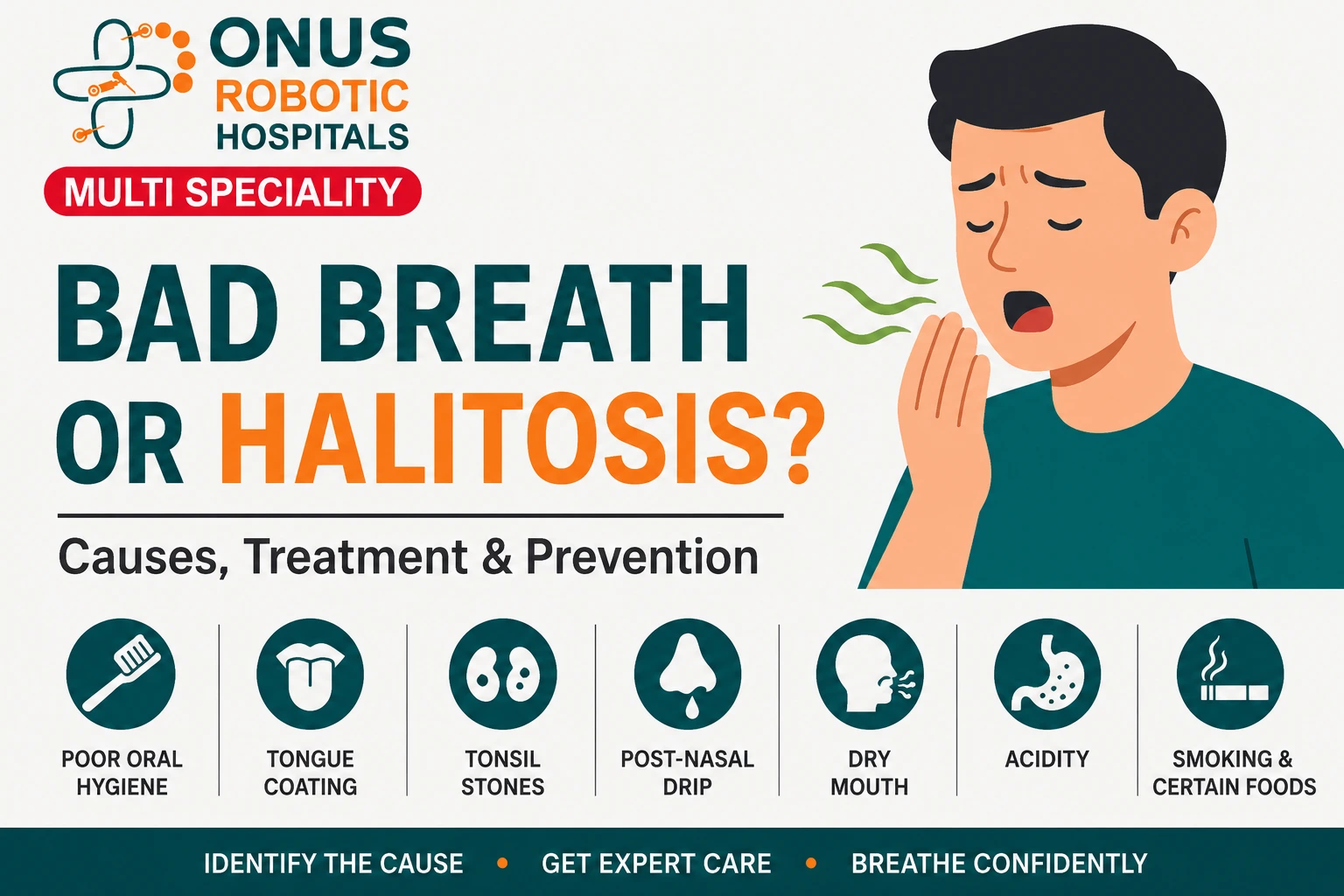
Bad breath, medically known as Halitosis, is a common condition that affects people of all ages. While occasional bad breath after eating certain foods is normal, persistent bad breath can indicate an underlying oral, nasal, throat, or digestive problem.
Halitosis can impact self-confidence, social interactions, and overall quality of life. Fortunately, identifying the root cause can help in effective treatment and prevention.
What Is Halitosis?
Halitosis refers to an unpleasant odor originating from the mouth, throat, or nasal passages. It may be temporary or chronic and can sometimes persist despite regular brushing and mouthwash use.
In many cases, bad breath is not simply a dental issue but may be linked to ENT-related conditions such as sinus infections, tonsil stones, or post-nasal drip.
Common Causes of Bad Breath
1. Poor Oral Hygiene
Food particles left in the mouth encourage bacterial growth. These bacteria release sulfur compounds that produce foul-smelling breath.
Common issues include:
- Inadequate brushing
- Not flossing regularly
- Gum disease
- Tooth decay
2. Tongue Coating
The tongue can accumulate bacteria, food debris, and dead cells, especially on its back surface.
Signs include:
- White or yellow coating on the tongue
- Persistent mouth odor
- Altered taste sensation
3. Tonsil Stones (Tonsilloliths)
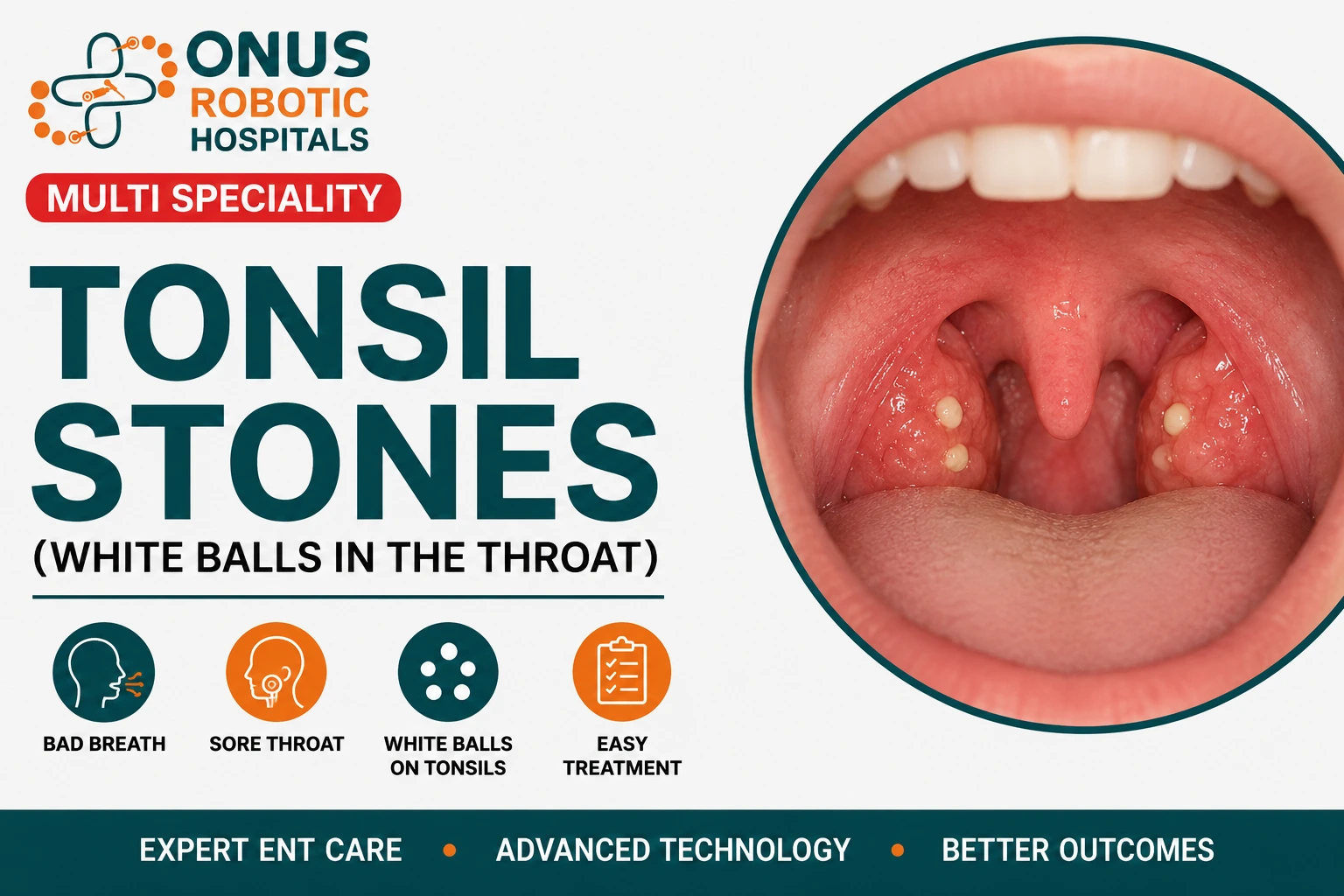
Tonsil stones are small, white deposits that form in the crevices of the tonsils.
Symptoms include:
- Bad breath
- Sore throat
- Difficulty swallowing
- Feeling of something stuck in the throat
4. Post-Nasal Drip
Excess mucus from allergies, sinusitis, or respiratory infections can drip down the throat, creating an environment for bacterial growth.
Associated symptoms:
- Frequent throat clearing
- Nasal congestion
- Chronic cough
- Unpleasant breath odor
5. Sinus Infections
Chronic sinusitis can produce thick mucus and infection-related odors.
Symptoms may include:
- Facial pain or pressure
- Nasal blockage
- Thick nasal discharge
- Reduced sense of smell
6. Dry Mouth (Xerostomia)
Saliva naturally cleanses the mouth and controls bacterial growth. Reduced saliva production can result in bad breath.
Causes include:
- Dehydration
- Certain medications
- Mouth breathing
- Sleep disorders
7. Acid Reflux (GERD)
Stomach acid traveling back into the throat can cause a sour taste and unpleasant odor.
Symptoms include:
- Heartburn
- Regurgitation
- Chronic throat irritation
- Hoarseness
8. Smoking and Tobacco Use
Smoking contributes to:
- Dry mouth
- Gum disease
- Tooth staining
- Persistent unpleasant breath
9. Certain Foods
Foods containing strong-smelling compounds may temporarily cause bad breath.
Examples include:
- Garlic
- Onions
- Spicy foods
- Certain fish
Symptoms Associated with Halitosis
Besides bad-smelling breath, individuals may experience:
- Dry mouth
- White coating on the tongue
- Bitter or metallic taste
- Frequent throat clearing
- Gum bleeding
- Sore throat
- Nasal congestion
- Persistent cough
When Should You See an ENT Specialist?
Consult an ENT specialist if:
- Bad breath persists despite good oral hygiene
- You have recurrent tonsil stones
- There is chronic sinus congestion
- You experience frequent throat infections
- Post-nasal drip is persistent
- You have difficulty swallowing
- There is unexplained throat discomfort
An ENT evaluation can identify hidden causes that routine dental care may not detect.
Diagnosis of Chronic Bad Breath
An ENT specialist may perform:
Clinical Examination
Assessment of the mouth, throat, tonsils, and nasal passages.
Nasal Endoscopy
A thin camera is used to examine the nose and sinuses.
Throat Examination
To identify infections, tonsil stones, or post-nasal drip.
Additional Tests
If necessary, investigations may be recommended to identify underlying digestive or medical conditions.
Treatment Options for Halitosis
Treatment depends on the underlying cause.
Oral Hygiene Improvement
- Brush twice daily
- Floss regularly
- Clean the tongue
- Use antiseptic mouthwash
Treatment of Tonsil Stones
- Gargling with salt water
- Removal by an ENT specialist
- Tonsil surgery in recurrent cases
Management of Sinusitis
- Nasal sprays
- Allergy treatment
- Sinus infection management
Treating Acid Reflux
- Dietary modifications
- Medications
- Lifestyle changes
Managing Dry Mouth
- Adequate hydration
- Saliva substitutes
- Treating underlying causes
Tips to Prevent Bad Breath
Maintain Good Oral Hygiene
- Brush teeth regularly
- Floss daily
- Clean your tongue
Stay Hydrated
Drink sufficient water throughout the day.
Avoid Tobacco Products
Smoking increases bacterial growth and oral dryness.
Treat Allergies and Sinus Problems
Managing nasal conditions helps reduce post-nasal drip.
Schedule Regular Dental Checkups
Routine examinations help detect dental causes early.
Eat a Balanced Diet
Include fruits and vegetables that stimulate saliva production.
Can Bad Breath Indicate a Serious Condition?
In some cases, persistent halitosis may signal:
- Chronic sinus disease
- Tonsil infections
- Severe gum disease
- Gastroesophageal reflux disease (GERD)
- Diabetes
- Certain metabolic disorders
Therefore, chronic bad breath should not be ignored.
Conclusion
Bad breath or halitosis is often more than a simple oral hygiene issue. Conditions such as tonsil stones, sinus infections, post-nasal drip, dry mouth, and acid reflux can all contribute to persistent mouth odor. Early diagnosis and appropriate treatment can help eliminate the problem and restore confidence.
If you experience chronic bad breath despite maintaining good oral hygiene, consult an ENT specialist for a comprehensive evaluation and personalized treatment plan.
For Appointments:
Consultant ENT Head & Neck Surgeon
ONUS Robotic Hospitals – Hyderabad
👉 link: contact-us or book-appointment