Dengue Fever: Symptoms, Causes, Warning Signs, Platelets & Prevention: Dr. Ravi Kiran | Diabetologist, Onus Robotic Hospital
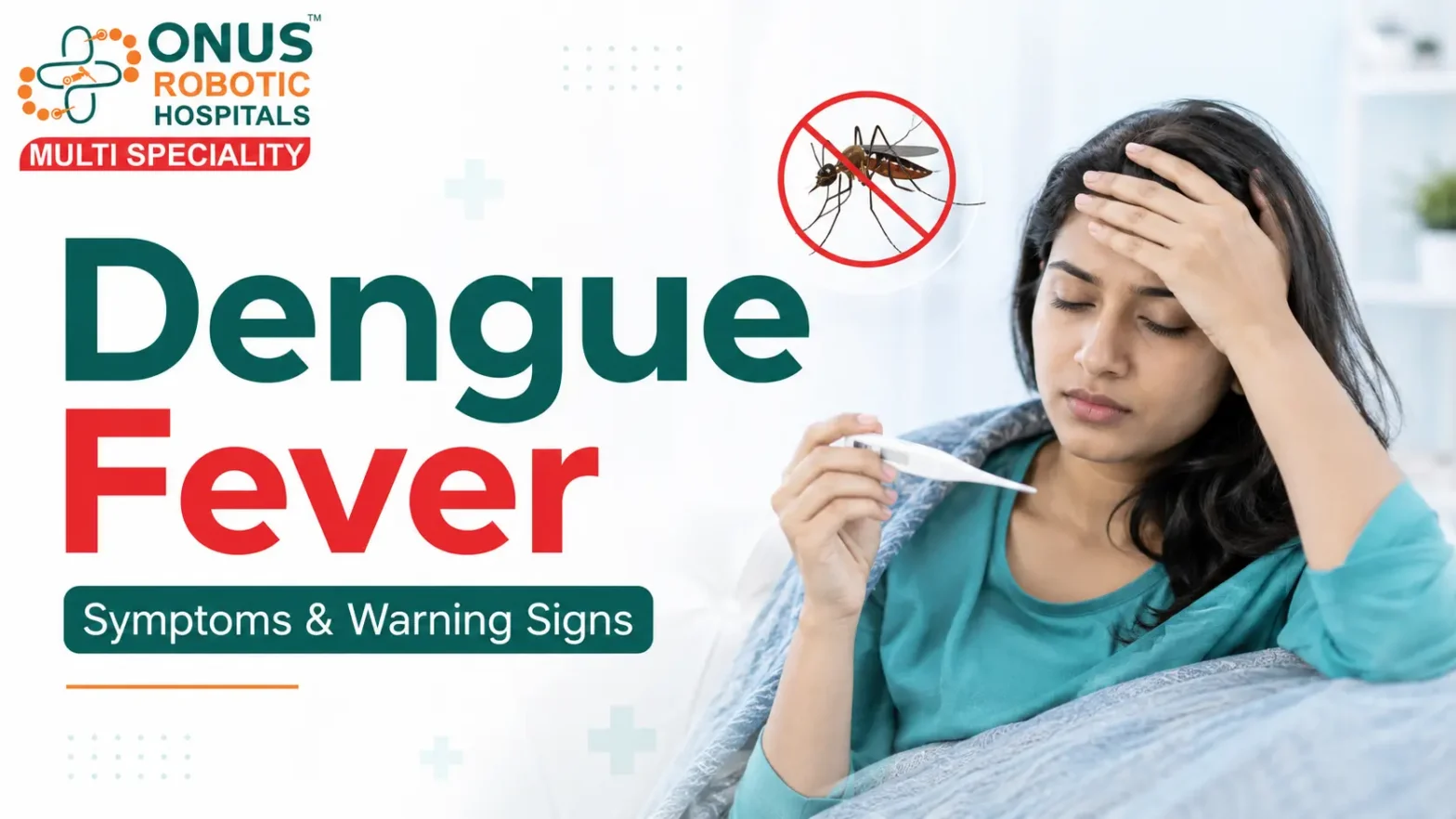
Dengue fever is a mosquito-borne viral infection that can affect both children and adults. It usually spreads through the bite of an infected Aedes mosquito. Dengue is common in tropical and subtropical regions and often increases during monsoon and post-monsoon seasons because mosquito breeding rises when stagnant water collects around homes and communities.
Early recognition of symptoms is very important. Dengue symptoms may look like regular viral fever in the beginning, but in some patients it can become serious and may require urgent medical care. WHO describes dengue as a viral infection spread from mosquitoes to people, with common symptoms including high fever, headache, body aches, nausea, and rash.
In this video, Dr. P. Ravi Kiran, Sr. General Physician & Medical Director at ONUS Robotic Hospitals, explains the symptoms, causes, warning signs, complications, and prevention tips related to dengue fever.
What Is Dengue Fever?
Dengue fever is caused by the dengue virus. It spreads when an infected mosquito bites a person. The mosquito usually becomes infected after biting a person who already has dengue virus in the blood.
Dengue can range from mild fever to severe dengue. Many people recover with proper monitoring, hydration, rest, and medical guidance, but some patients may develop warning signs and need hospital care.
How Dengue Spreads
Dengue spreads mainly through the bite of infected mosquitoes, especially Aedes aegypti mosquitoes. These mosquitoes often bite during the daytime and commonly breed in clean stagnant water.
Common mosquito breeding spots include:
Water stored in buckets
Flower pots
Old tyres
Open tanks
Coolers
Coconut shells
Plastic containers
Construction site water
Water collected on terraces
Uncovered drums
Preventing mosquito breeding is one of the most important ways to reduce dengue risk.
Common Symptoms of Dengue
Dengue symptoms often begin a few days after the bite of an infected mosquito. Mayo Clinic notes that symptoms most often begin 4 to 10 days after a bite and may include high fever, headache, muscle, bone or joint pain, vomiting, pain behind the eyes, swollen glands, and rash.
Common symptoms include:
High fever
Severe body pains
Headache
Pain behind the eyes
Weakness
Nausea
Vomiting
Skin rash
Joint pain
Muscle pain
Loss of appetite
Fatigue
Low platelet concerns
Dengue is sometimes called “breakbone fever” because of the severe body and joint pains many patients experience.
Warning Signs of Severe Dengue
Dengue fever should not be taken lightly. In some patients, warning signs may appear when the fever starts reducing. This is an important phase because the patient may look better externally, but complications can begin internally.
CDC lists warning signs of severe dengue such as belly pain or tenderness, repeated vomiting, bleeding from the nose or gums, vomiting blood or blood in stool, and feeling extremely tired or restless.
Seek urgent medical care if you notice:
Severe abdominal pain
Persistent vomiting
Bleeding from nose or gums
Blood in vomit
Blood in stool
Extreme weakness
Restlessness
Drowsiness
Cold hands and feet
Breathing difficulty
Severe dehydration
Reduced urine output
Sudden worsening after fever reduces
Severe dengue can be dangerous if not treated early.
When Platelet Count Becomes a Concern
Many patients panic when they hear “platelets are low.” Platelet count is important in dengue, but treatment decisions are not based only on platelet number. Doctors also assess warning signs, bleeding, hydration status, blood pressure, hematocrit, liver function, and overall clinical condition.
Low platelets may increase bleeding risk in some cases, but not every patient with low platelets needs platelet transfusion. The decision should be made by a doctor.
Patients should avoid self-medication, especially painkillers like aspirin or ibuprofen, unless advised by a doctor, because some medicines can increase bleeding risk.
When to Consult a Doctor
Consult a doctor early if you have:
High fever
Severe body pain
Headache with eye pain
Vomiting
Skin rash
Weakness
Fever during dengue season
Known dengue exposure
Low platelet count
Reduced appetite and dehydration
Fever not improving
Visit emergency care immediately if there is bleeding, severe abdominal pain, persistent vomiting, breathlessness, extreme weakness, drowsiness, fainting, or reduced urine output.
Diagnosis of Dengue Fever
Dengue diagnosis is based on symptoms, examination, and blood tests.
Tests may include:
Dengue NS1 antigen
Dengue IgM/IgG antibodies
Complete blood count
Platelet count
Hematocrit
Liver function tests
Kidney function tests if needed
Electrolytes if dehydration is present
Testing timing matters. Some tests are useful in the early phase, while antibody tests may become positive later. Your doctor will decide the right test based on fever duration.
Treatment and Care for Dengue
There is no specific medicine that kills the dengue virus. Treatment focuses on careful monitoring and supportive care.
Treatment may include:
Rest
Adequate fluids
Oral rehydration
Paracetamol for fever if advised
Monitoring platelet count
Monitoring warning signs
Hospital admission when needed
IV fluids in selected cases
Management of bleeding or shock in severe dengue
Do not take antibiotics unless prescribed. Dengue is a viral infection, and unnecessary antibiotics are not useful.
What Not to Do in Dengue
Avoid these mistakes:
Do not ignore warning signs
Do not self-medicate with painkillers
Do not panic only because platelets are low
Do not delay medical review if vomiting or weakness increases
Do not stop fluids
Do not wait at home if bleeding symptoms appear
Do not rely only on home remedies
Do not assume fever reduction means full recovery
CDC notes that warning signs can appear after the fever has gone away, so monitoring is important during recovery.
Dengue Prevention Tips
Dengue prevention starts with mosquito control and bite prevention.
Practical prevention steps:
Remove stagnant water around the house
Empty coolers and containers regularly
Cover water tanks and drums
Clean flower pots and trays
Use mosquito nets
Use mosquito repellents
Wear full-sleeve clothing
Install window screens
Keep surroundings clean
Avoid water collection on terraces and balconies
Support community mosquito control measures
CDC states that mosquitoes spread dengue through bites, so preventing mosquito bites and mosquito breeding is essential.
Who Needs Extra Care?
Some people need closer monitoring:
Children
Elderly patients
Pregnant women
Patients with diabetes
Patients with BP or heart disease
Patients with kidney disease
Patients with previous dengue infection
Patients with low immunity
Patients with severe vomiting or dehydration
These patients should consult a doctor early.
Expert Fever & Infection Care at ONUS Robotic Hospitals
At ONUS Robotic Hospitals, patients with dengue fever, viral fever, high fever, body pains, low platelet concerns, dehydration, infection-related symptoms, and emergency warning signs receive timely evaluation and personalized care.
Consultation
📍 Dr. Ravi Kiran
Diabetologist & Preventive Medicine Specialist
Onus Robotic Hospital, Hyderabad