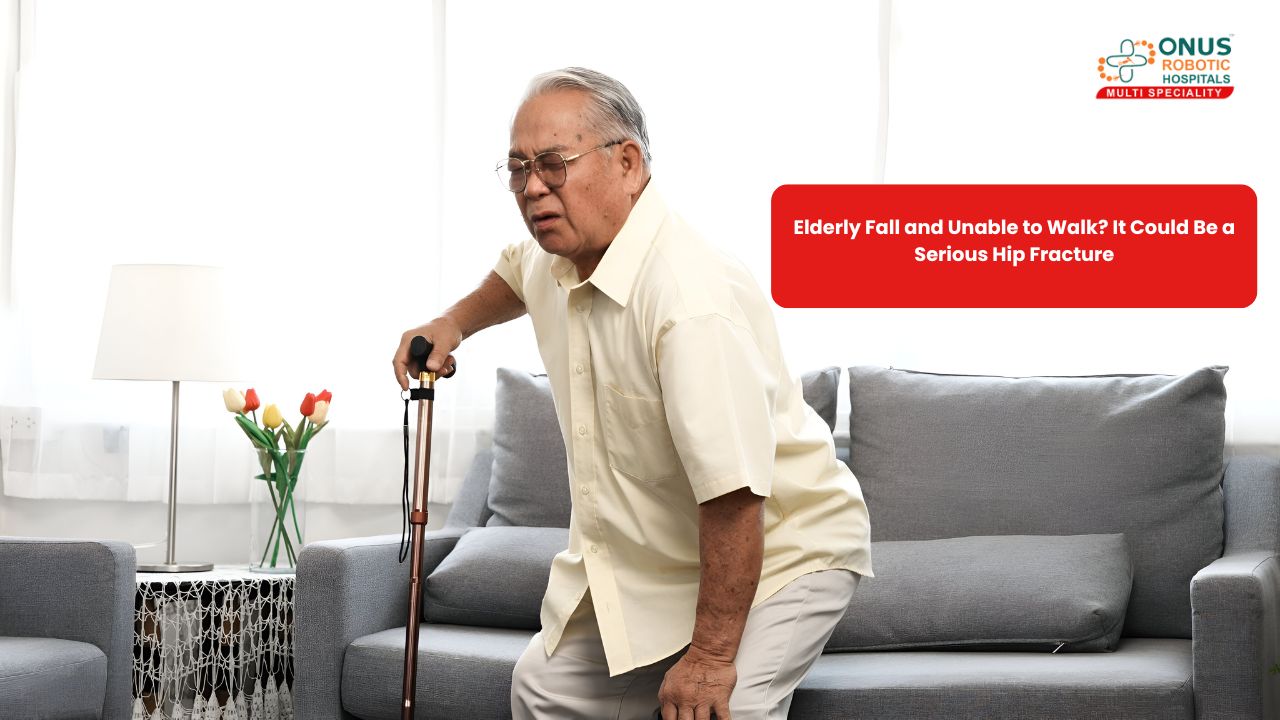
Why Hip Fracture Is Dangerous
Hip fractures can quickly lead to serious complications if treatment is delayed.
Major risks include:
- Bedridden condition
- Pneumonia
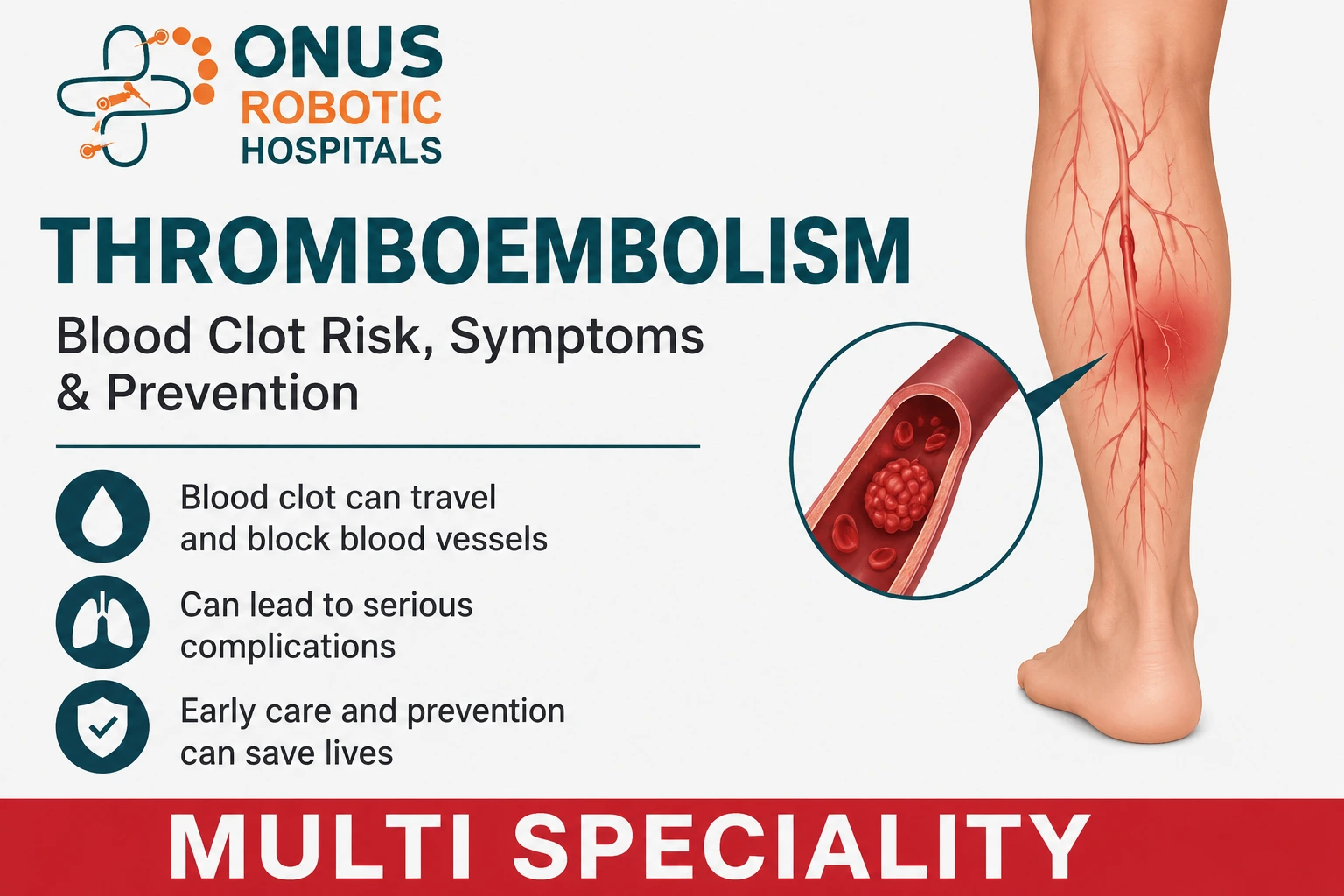
- Blood clots
- Bed sores
- Urinary infections
- Muscle weakness
- Increased mortality
In elderly patients, prolonged bed rest is often more dangerous than the fracture itself.
Why Early Surgery Is Critical
Early surgical treatment reduces complications and improves recovery.
Best timing:
Within 24–48 hours
Benefits of early surgery:
- Faster recovery
- Reduced complications
- Shorter hospital stay
- Improved survival
- Early mobilization
This is the global standard of care.
How Is Intertrochanteric Fracture Diagnosed?
Diagnosis is usually straightforward.
Clinical Examination
Doctors check:
- Pain location
- Leg position
- Ability to move
Imaging Tests
Common tests include:
- X-ray (primary test)
- CT scan (if needed)
- MRI (rare cases)
These confirm the fracture and guide treatment.
Treatment Options for Intertrochanteric Fracture
Surgery is the gold standard treatment.
Non-surgical treatment is rarely recommended because it leads to complications.
1) Proximal Femoral Nail (PFN) Fixation
A commonly used procedure is Proximal Femoral Nail.
Benefits:
- Strong fixation
- Early walking
- Faster recovery
- Minimal complications
2) Dynamic Hip Screw (DHS) Fixation
Another effective procedure is Dynamic Hip Screw.
Used in:
- Stable fractures
- Selected cases
This procedure stabilizes the bone and allows healing.
Recovery After Hip Fracture Surgery
Recovery begins immediately after surgery.
Typical recovery timeline:
Day 1–2
- Sitting and standing with support
Day 2–5
- Walking with walker
Weeks 4–6
- Improved mobility
Months 2–3
- Return to normal activities
Early physiotherapy is essential for recovery.
Role of Physiotherapy After Surgery
Physiotherapy helps:
- Restore mobility
- Strengthen muscles
- Prevent stiffness
- Reduce complications
Without physiotherapy, recovery may be delayed.
Prevention Tips for Elderly Falls
Preventing falls reduces fracture risk.
Important measures:
- Use anti-slip footwear
- Install grab bars in bathrooms
- Maintain good lighting
- Use walking aids
- Treat osteoporosis
- Take calcium and vitamin D
Fall prevention is the best protection.
When Should You Seek Emergency Care?
Go to the hospital immediately if:
- Elderly person falls
- Severe hip pain occurs
- Patient cannot stand
- Leg appears shortened
- Walking becomes impossible
Do not wait.
Early treatment saves life.
Final Takeaway
Hip fracture in elderly is:
⚠️ A medical emergency
✔ Treatable with surgery
✔ Recoverable with early care
The most important rule:
Fall + inability to walk = urgent hospital evaluation
Early surgery prevents complications and saves lives.
For Appointments:
Dr. Balaraju Naidu, Robotic Orthopedic Surgeon
ONUS Robotic Hospitals – Hyderabad
👉 link: contact-us or book-appointment