Fever Not Going Down After 3 Days? Here’s Why You Should Visit the Hospital – By Dr. Ravi Kiran | Diabetologist, Onus Robotic Hospital
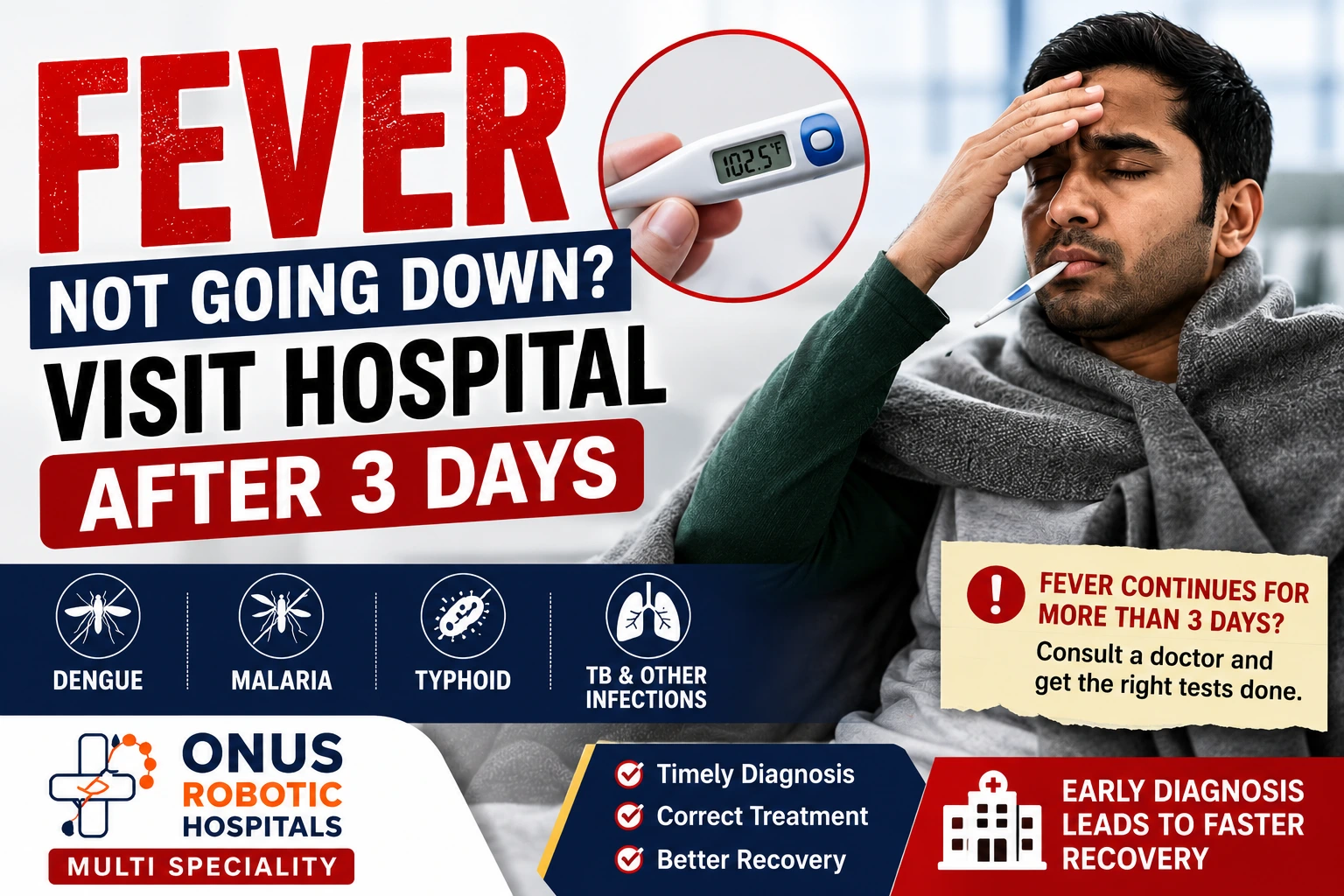
Fever is one of the most common symptoms of illness. In many cases, it is caused by viral infections and settles within a few days with adequate rest, hydration, and medications prescribed by a doctor. However, when a fever continues beyond three days despite treatment, it should never be ignored.
Persistent fever may indicate an underlying infection that requires further investigation. Identifying the exact cause early can help doctors provide the right treatment and prevent complications.
In this article, Dr. Ravi Kiran, General Physician & Diabetologist, explains why prolonged fever needs proper medical evaluation and when you should seek immediate medical attention.
What Is a Fever?
A fever is the body’s natural response to infection. It occurs when your immune system raises your body temperature to fight harmful viruses, bacteria, or parasites.
A normal body temperature ranges between 36.5°C and 37.5°C (97.7°F–99.5°F). A temperature above 38°C (100.4°F) is generally considered a fever.
While fever itself is not a disease, it is an important sign that your body is fighting an illness.
Is It Normal for Fever to Last Several Days?
Yes, some viral infections can cause fever for two or three days. However, if:
- Fever continues beyond 3 days
- Medicines are not reducing the temperature
- Fever keeps returning after temporary relief
you should consult a doctor for proper diagnosis.
Treating fever without identifying the underlying cause may delay recovery.
Why Doesn’t Fever Reduce Even After Taking Medicines?
Many people start taking antibiotics or over-the-counter fever medicines as soon as they develop a fever. However, medicines may not work if the actual cause of the illness has not been identified.
Some common reasons include:
- Viral infections
- Dengue fever
- Malaria
- Typhoid fever
- Tuberculosis (TB)
- Urinary tract infections
- Lung infections
- Other bacterial infections
Each illness requires a different treatment approach. Antibiotics do not work against viral infections, while diseases like malaria require specific medications.
Common Causes of Fever Lasting More Than 3 Days
1. Dengue Fever
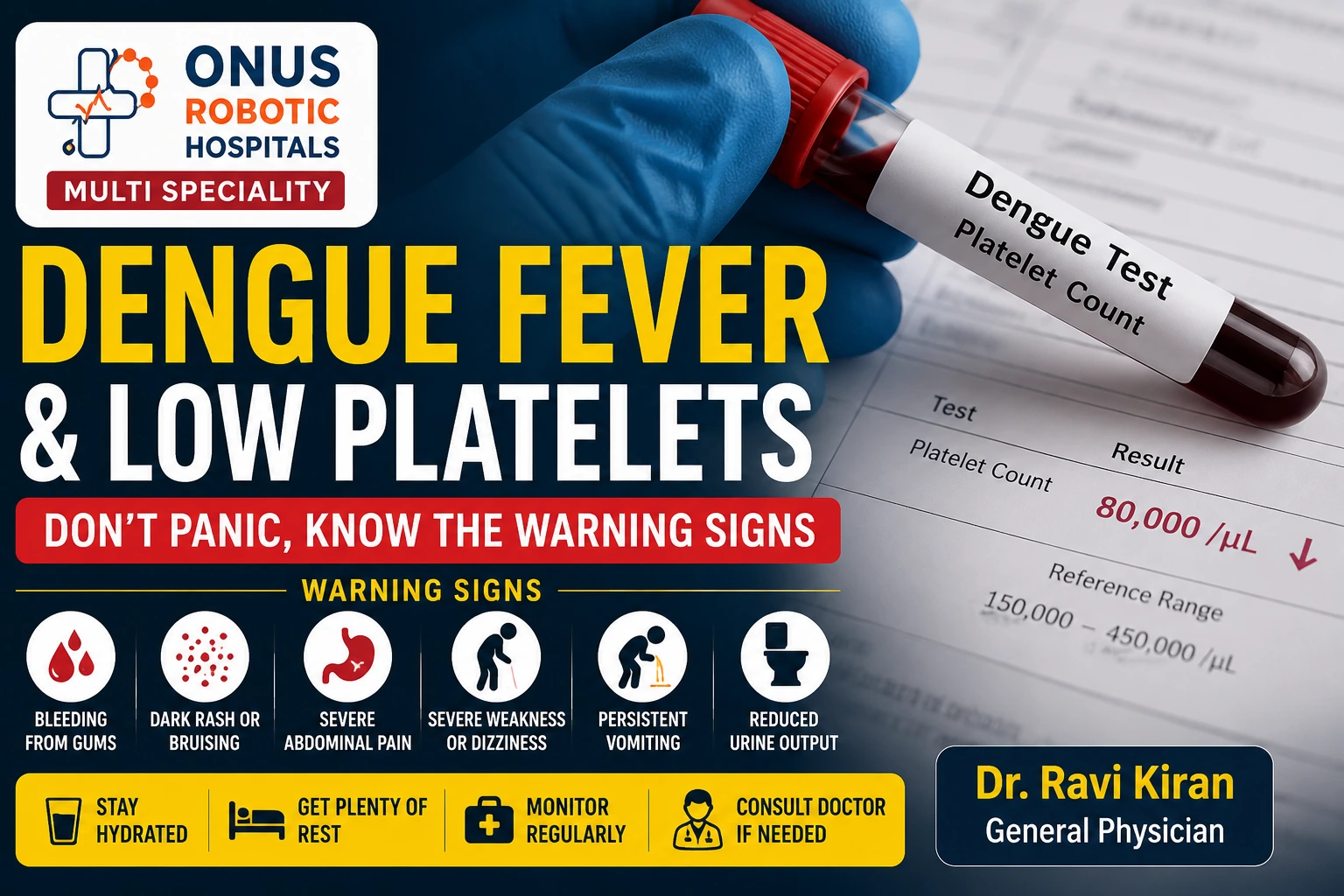
Dengue is spread through mosquito bites and often causes:
- High fever
- Severe body pain
- Headache
- Low platelet count
- Skin rash
Early diagnosis helps monitor platelet levels and prevent complications.
2. Malaria
Malaria commonly presents with:
- High fever with chills
- Excessive sweating
- Weakness
- Body aches
Prompt diagnosis allows early treatment and prevents severe illness.
3. Typhoid Fever
Typhoid is caused by contaminated food or water.
Symptoms include:
- Persistent fever
- Weakness
- Stomach discomfort
- Loss of appetite
- Constipation or diarrhea
Typhoid requires proper antibiotic treatment based on medical evaluation.
4. Tuberculosis (TB)
A fever lasting several weeks may sometimes be due to tuberculosis.
Other symptoms include:
- Persistent cough
- Weight loss
- Night sweats
- Fatigue
Early diagnosis significantly improves treatment outcomes.
5. Other Viral or Bacterial Infections
Persistent fever may also result from:
- Viral infections
- Pneumonia
- Kidney infections
- Bloodstream infections
- COVID-19
- Influenza
Each condition requires different investigations and treatment.
📍 Dr. Ravi Kiran
Diabetologist & Preventive Medicine Specialist
Onus Robotic Hospital, Hyderabad