Piles in Men: Common Triggers
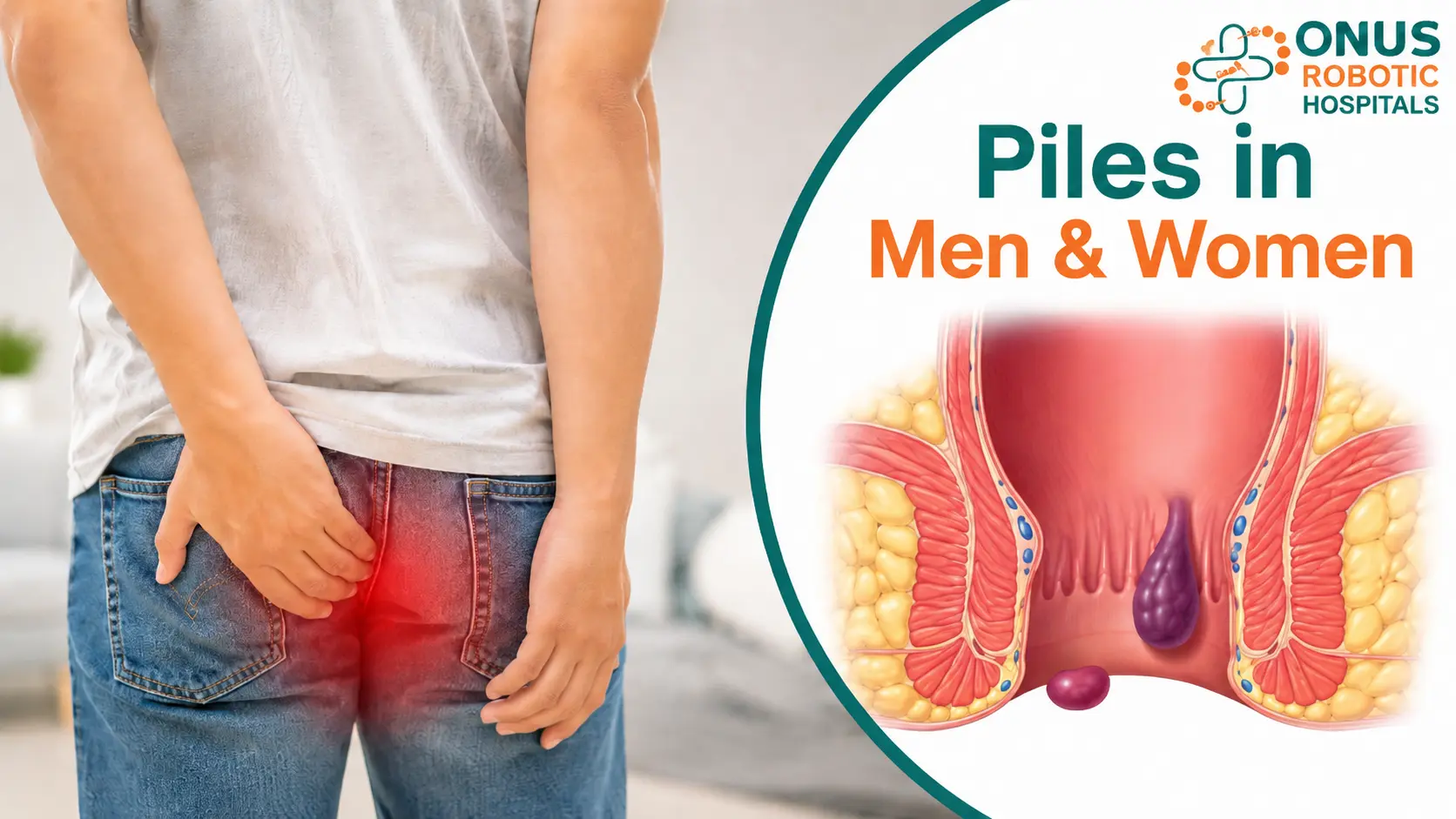
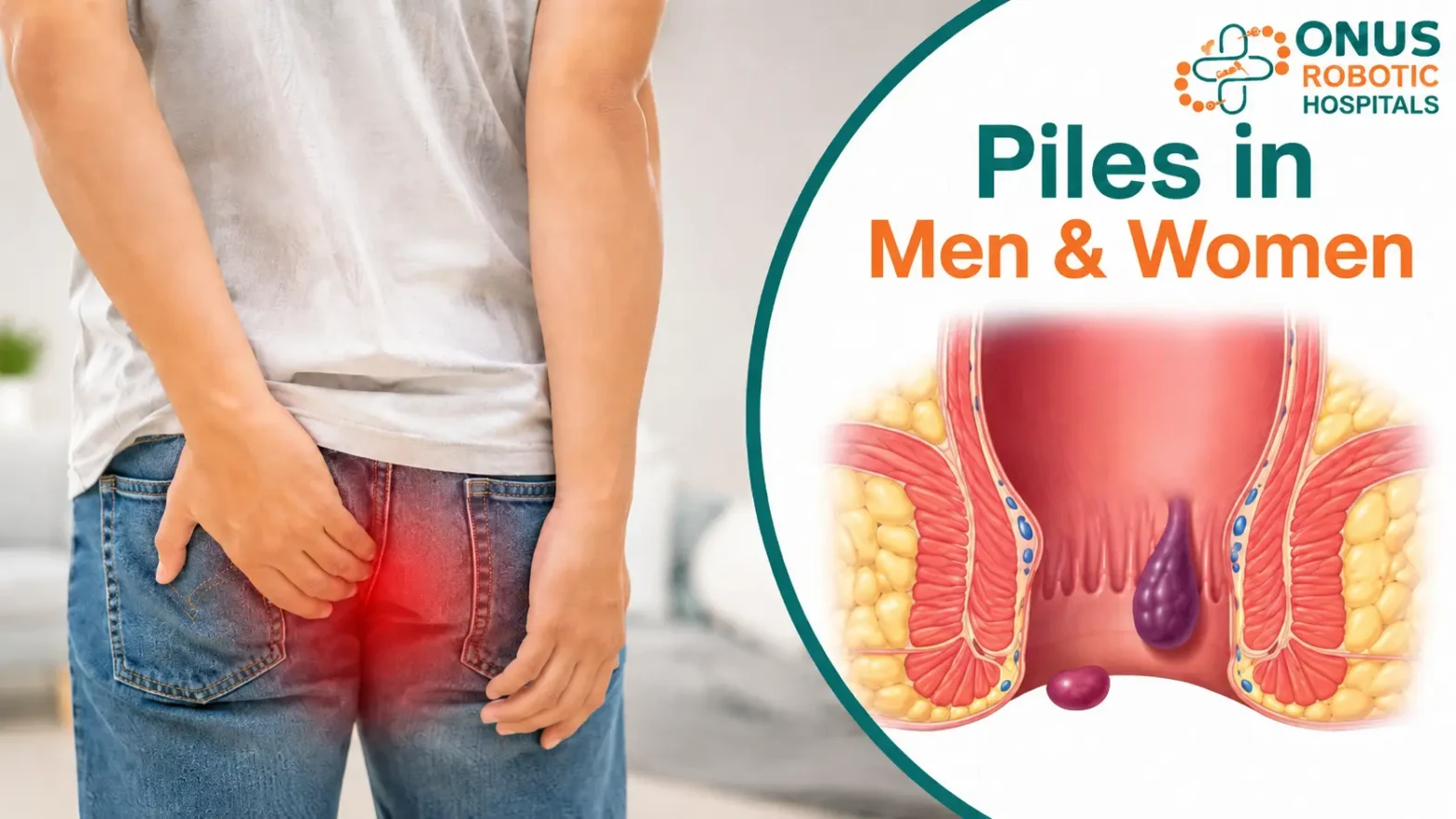
Men may develop piles due to lifestyle and occupational factors such as:
Long sitting at desk jobs
Driving for long hours
Low-fiber diet
Frequent constipation
Heavy weightlifting
Gym-related straining
Obesity
Alcohol intake and dehydration
Spicy food habits
Ignoring early symptoms
Men involved in heavy physical work or gym lifting may strain repeatedly, which can increase pressure around the rectal veins. Long sitting jobs can also worsen piles symptoms.
Piles in Women: Common Triggers
Women may experience piles due to:
Pregnancy
Childbirth
Constipation
Hormonal changes
Increased abdominal pressure
Low-fiber diet
Obesity
Long sitting or standing
Post-delivery strain
Iron supplements causing constipation in some cases
Pregnancy can increase piles risk because the growing uterus, increased weight, and increased blood volume can place extra pressure on veins around the anus, making them swell.
Pregnancy-related constipation can further increase piles risk. Mayo Clinic advises fiber intake, fluids, and physical activity to help prevent constipation during pregnancy.
Symptoms of Piles You Should Not Ignore
Common symptoms include:
Bleeding during stool
Pain around the anus
Swelling near the anus
Itching or irritation
Discomfort while sitting
Tender lump near the anus
Mucus discharge
Burning sensation
Feeling of incomplete evacuation
Repeated constipation
Pain during bowel movement
NIDDK notes that external hemorrhoids may cause anal itching, tender lumps near the anus, and anal pain especially while sitting. Internal hemorrhoids may cause rectal bleeding.
Warning Signs That Need Medical Consultation
Consult a surgeon if you have:
Bleeding during stool
Severe pain near the anus
Swelling or lump near the anus
Repeated piles symptoms
Black stool or heavy bleeding
Dizziness or weakness with bleeding
Symptoms not improving with home care
Persistent constipation
Painful bowel movements
Pus, fever, or infection signs
Unexplained weight loss with bowel changes
Do not assume every bleeding episode is piles. Rectal bleeding can also occur due to fissure, infection, polyps, inflammatory bowel disease, or other serious conditions. Proper diagnosis is important.
How Are Piles Diagnosed?
Diagnosis usually begins with history and clinical examination. The doctor may ask about bleeding, pain, constipation, diet, toilet habits, pregnancy history, weight, occupation, and previous episodes.
Depending on symptoms, evaluation may include:
Clinical examination
Digital rectal examination
Proctoscopy
Anoscopy
Colonoscopy in selected cases, especially if bleeding is recurrent or there are warning signs
Correct diagnosis is important because piles, fissure, fistula, abscess, and other anorectal conditions can have overlapping symptoms.
Treatment Options for Piles
Treatment depends on the grade of piles, severity of symptoms, bleeding, pain, lifestyle factors, and recurrence.
1. Lifestyle Correction
Lifestyle changes are the first step in many mild piles cases.
Helpful changes include:
Increase fiber intake
Drink enough water
Avoid straining during stool
Avoid sitting too long on the toilet
Do not delay bowel movements
Walk daily
Reduce weight if overweight
Avoid repeated heavy lifting during active symptoms
Treat constipation early
2. Medicines and Local Care
For mild symptoms, doctors may advise creams, ointments, suppositories, stool softeners, pain-relief medicines, or anti-inflammatory medicines depending on the condition.
NIDDK notes that over-the-counter creams, ointments, or suppositories may relieve mild pain, swelling, and itching, but medical follow-up is needed if symptoms do not improve after one week or if side effects occur.
3. Sitz Bath
Warm water sitz bath may help reduce pain, swelling, irritation, and anal discomfort. It is commonly advised after bowel movements and during painful episodes.
4. Office-Based Procedures
For selected internal piles, procedures such as rubber band ligation or other minimally invasive options may be advised by the surgeon.
5. Laser Piles Treatment
Laser piles treatment may be considered in selected cases depending on the grade and symptoms. It is a modern approach used for certain hemorrhoid cases and may offer reduced pain and faster recovery in appropriate patients.
6. Surgery
Surgery may be required for large piles, recurrent bleeding, prolapsed piles, thrombosed external piles, or symptoms not improving with conservative treatment.
Treatment should always be planned after proper surgical evaluation.
Can Piles Be Prevented?
Many piles episodes can be prevented or reduced by correcting constipation and toilet habits.
Prevention tips include:
Eat high-fiber foods
Drink enough water
Avoid straining
Do not sit too long on the toilet
Avoid mobile phone use in the toilet
Exercise regularly
Maintain healthy weight
Treat constipation early
Avoid excessive heavy lifting
Do not ignore repeated bleeding
Expert Piles & Anorectal Care at ONUS Robotic Hospitals
At ONUS Robotic Hospitals, patients with piles, bleeding during stool, constipation, anal pain, swelling, fissure-like symptoms, and anorectal problems receive expert evaluation and personalized treatment.
For Appointments:
Senior Consultant – General, Laser & Laparoscopic Surgery
ONUS Robotic Hospitals – Hyderabad
👉 link: contact-us or book-appointment