Difference Between Gout and Normal Joint Pain
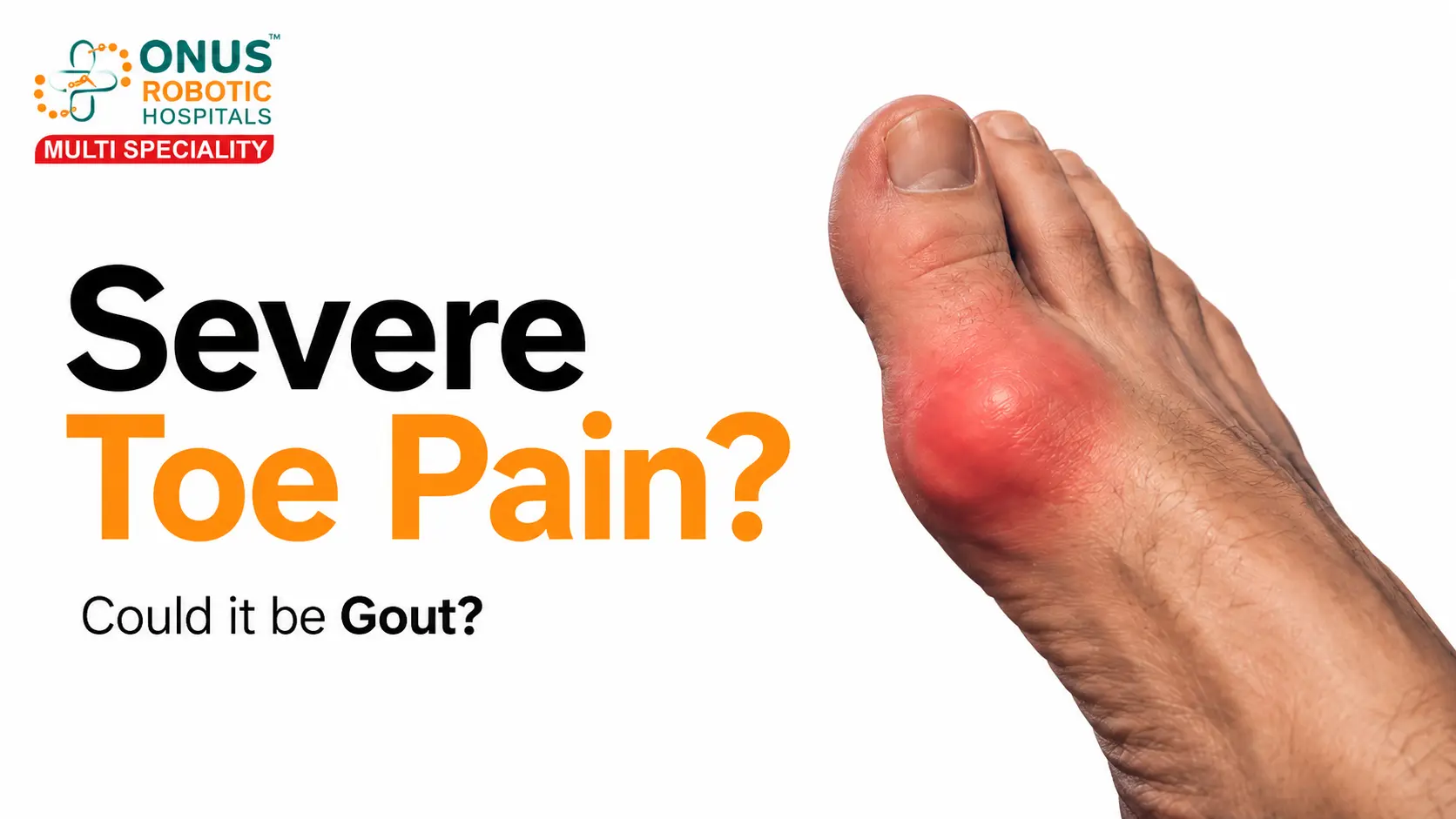
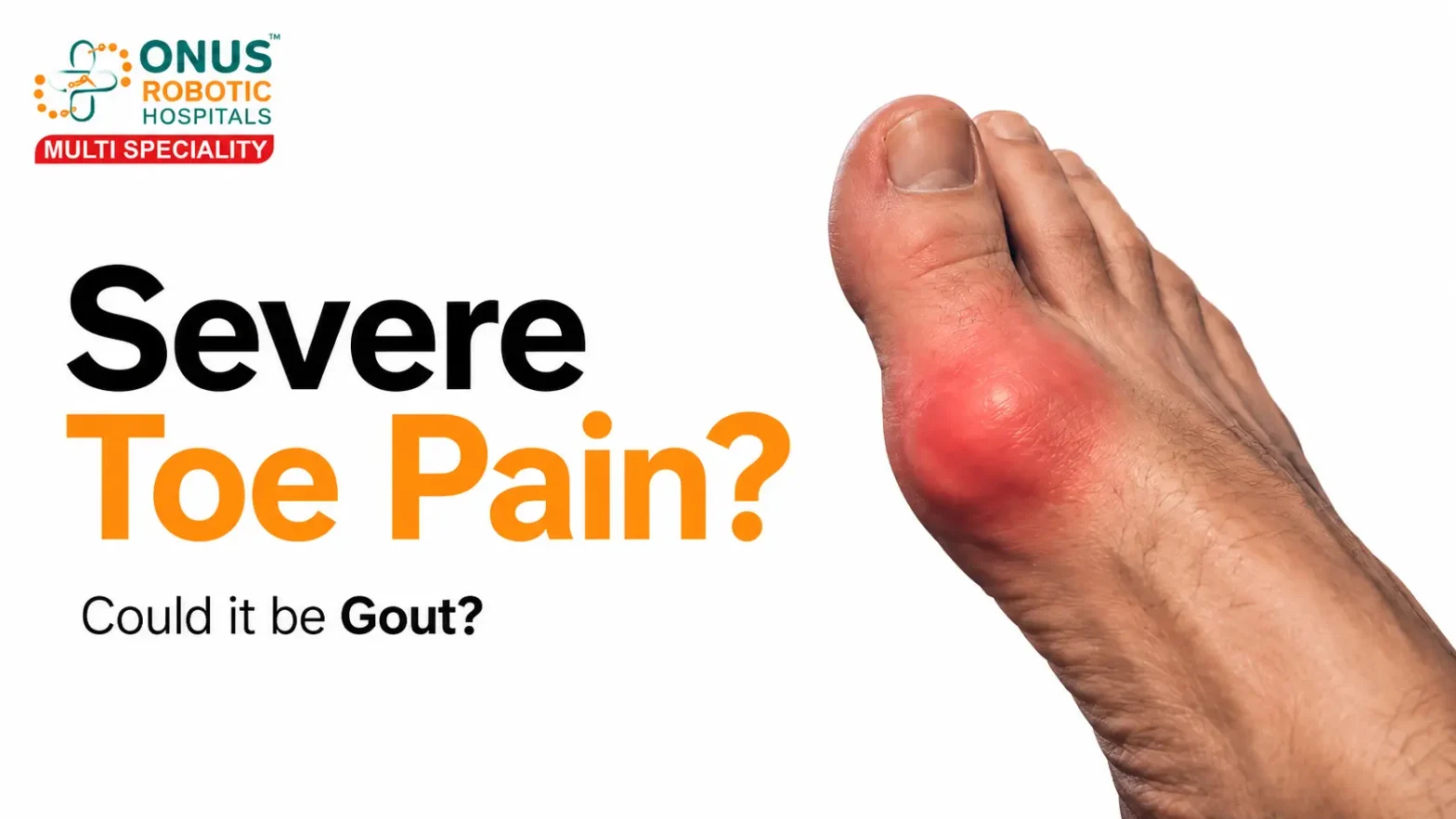
Normal joint pain may be due to strain, injury, overuse, arthritis, or footwear problems. Gout pain is usually more sudden, intense, hot, swollen, and tender.
Gout Pain Usually Has:
Sudden onset
Severe intensity
Redness and swelling
Burning sensation
Pain at night
Extreme tenderness
Repeated attacks
Big toe involvement
Normal Joint Pain May Have:
Gradual onset
Pain after activity
Less redness
Less swelling
Pain related to injury or strain
Improvement with rest
Because gout can resemble infection or fracture in some cases, patients should not self-diagnose based only on symptoms.
How Is Gout Diagnosed?
Diagnosis starts with a clinical examination and medical history. The doctor may ask about pain pattern, swelling, previous attacks, diet, medicines, kidney problems, diabetes, and family history.
Tests may include:
Blood test for uric acid
Inflammation markers if required
X-ray to assess joint damage or rule out other causes
Ultrasound in selected cases
Joint fluid test if diagnosis is unclear
Mayo Clinic explains that gout diagnosis may involve joint fluid testing, blood tests, imaging, and ultrasound depending on the case.
Treatment Options for Gout
Treatment has two goals: control the acute pain attack and prevent future attacks.
1. Pain and Inflammation Control
During an acute gout attack, medicines may be prescribed to reduce pain and inflammation. These may include anti-inflammatory medicines, colchicine, or steroids depending on the patient’s condition and doctor’s advice.
Do not self-medicate, especially if you have kidney disease, diabetes, high blood pressure, acidity problems, blood thinners, or heart disease.
2. Uric Acid Control
If gout attacks are repeated or uric acid remains high, long-term uric acid-lowering medicines may be required. These medicines should be taken only under medical supervision and should not be stopped suddenly without advice.
3. Diet and Lifestyle Changes
Patients may be advised to:
Drink adequate water
Reduce alcohol intake
Limit red meat and organ meats
Avoid sugary drinks
Maintain healthy weight
Control diabetes and BP
Avoid crash dieting
Follow a balanced diet
Exercise safely
4. Joint Protection
During a flare, the painful joint should be rested. Avoid forceful walking, tight footwear, or pressure on the swollen toe.
5. Treating Long-Term Joint Damage
Repeated gout attacks can cause chronic joint inflammation, tophi, and joint damage. AAOS notes that long-term gout can lead to soft tissue masses called tophi and progressive joint problems in some patients.
When Should You Consult a Doctor?
Consult an orthopedic specialist or physician if you have:
Sudden severe big toe pain
Toe pain that wakes you at night
Swelling and redness around the toe
Burning pain in the joint
Difficulty walking
Repeated joint pain attacks
High uric acid levels
Pain in multiple joints
Joint deformity or lumps
Kidney stones or kidney disease with joint pain
Early diagnosis and proper treatment can help control gout attacks and prevent long-term joint damage.
Can Gout Be Prevented?
Gout cannot always be prevented completely, but attacks can often be reduced with proper treatment and lifestyle control.
Helpful steps include:
Maintain healthy body weight
Stay hydrated
Reduce alcohol intake
Limit high-purine foods
Avoid sugary drinks
Control diabetes, BP, and kidney problems
Take prescribed medicines regularly
Do not ignore repeated joint swelling
Follow up with your doctor
Expert Gout and Joint Pain Care at ONUS Robotic Hospitals
At ONUS Robotic Hospitals, patients with severe toe pain, gout arthritis, uric acid-related joint pain, foot pain, knee arthritis, cartilage damage, and orthopedic problems receive expert evaluation and personalized treatment.
Doctor Details
Dr. Balaraju Naidu
MS (Ortho), DNB (Ortho), MNAMS
Consultant Robotic Orthopedic Surgeon
Founder & Managing Director – ONUS Robotic Hospitals
Chief & Head – Robotic Joint Replacements, Arthroscopic Knee & Shoulder Surgery, Sports Medicine & Trauma Surgery
International Fellowships in Robotic Joint Replacement, Arthroscopy, Hip & Knee Replacement, Computer Navigation Surgery, and Peri-Prosthetic Fracture Fixation.
Hospital Details
ONUS Robotic Hospitals
Advanced Orthopedic, Robotic Joint Replacement & Multi-Specialty Care
For Appointments:
Dr. Balaraju Naidu, Robotic Orthopedic Surgeon
ONUS Robotic Hospitals – Hyderabad
👉 link: contact-us or book-appointment