Early Warning Signs of Knee Arthritis
Early knee arthritis may start silently and slowly. Warning signs include:
Pain after walking or climbing stairs
Morning stiffness
Pain after sitting for long hours
Swelling after activity
Cracking or grinding sound
Difficulty bending the knee fully
Reduced confidence while walking
Need for frequent painkillers
Early diagnosis can help slow progression and protect the joint.
Why Weight Reduction Is Important for Knee Health
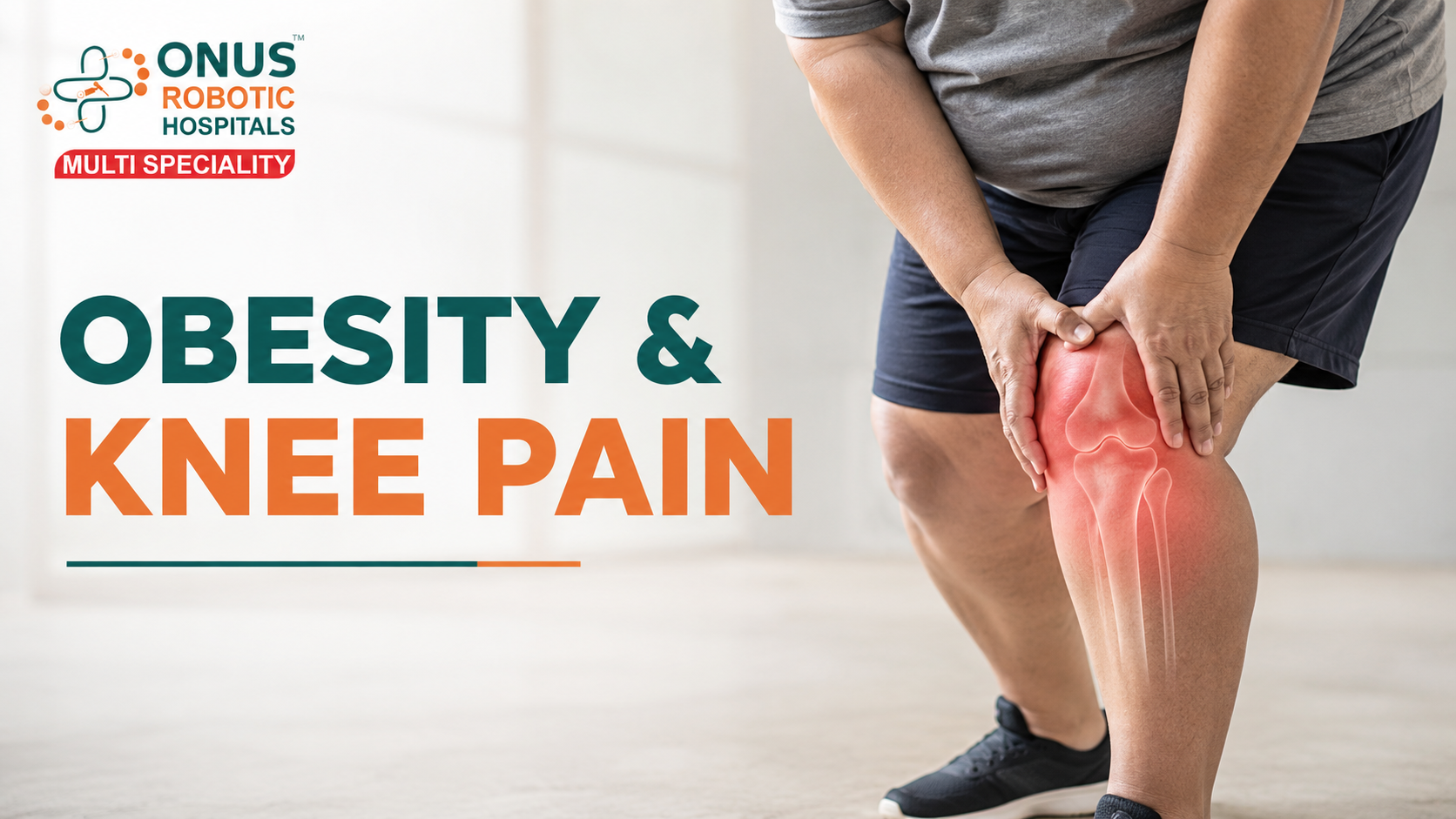
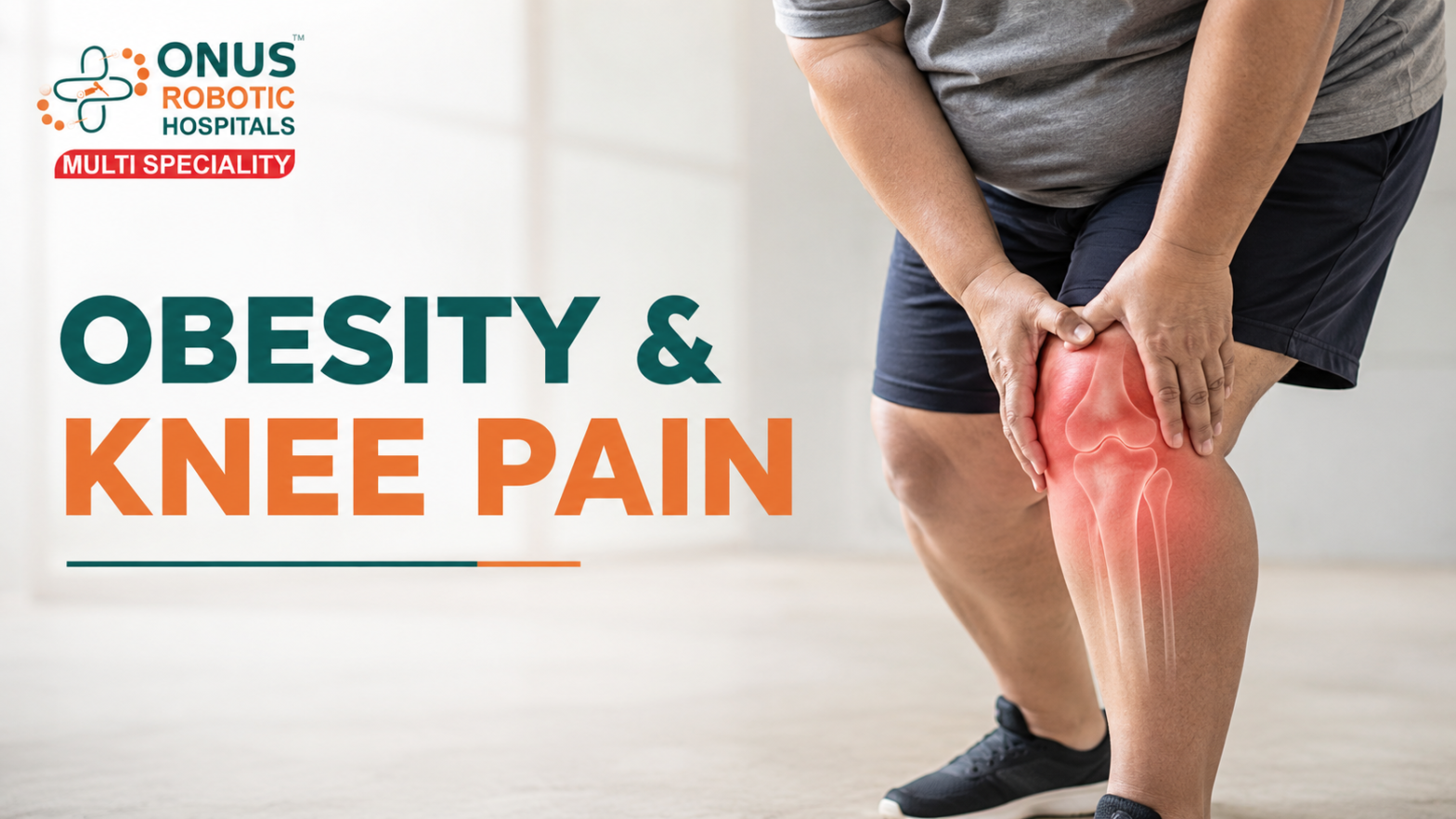
Weight reduction is one of the most important steps in managing obesity-related knee pain and arthritis. Losing weight reduces stress on the knee joint, improves mobility, and supports better pain control.
The American Academy of Orthopaedic Surgeons recommends sustained weight loss to improve pain and function in overweight and obese patients with knee osteoarthritis.
Even modest weight loss can make a meaningful difference. The CDC reports that small amounts of weight loss can benefit people with arthritis, and diet plus exercise interventions that reduce body weight by around 5% can improve symptoms and function.
Treatment Options for Obesity-Related Knee Pain
Treatment depends on the stage of knee damage, age, weight, activity level, pain severity, and X-ray or MRI findings.
1. Weight Management
Weight reduction is the foundation of treatment. A structured plan involving diet correction, physical activity, medical guidance, and lifestyle changes can reduce knee stress and improve long-term outcomes.
2. Physiotherapy and Strengthening
Physiotherapy helps strengthen thigh, hip, and core muscles. Strong muscles reduce pressure on the knee joint and improve walking stability.
Exercises may include:
Quadriceps strengthening
Hamstring strengthening
Hip strengthening
Low-impact cardio
Stretching
Balance training
Gait correction
3. Low-Impact Exercises
Patients with knee pain should avoid sudden high-impact activities. Safer options may include walking within tolerance, cycling, swimming, water exercises, and supervised strengthening.
4. Medicines
Pain-relieving or anti-inflammatory medicines may be advised for short-term relief. Medicines should be taken only under medical supervision.
5. Injections
In selected patients, joint injections may help reduce pain and improve function. These may include options such as viscosupplementation, PRP, or other doctor-recommended treatments depending on the condition.
6. Advanced Orthopedic Treatment
If cartilage damage or arthritis is advanced and conservative treatment does not help, advanced orthopedic options may be considered. In severe knee arthritis, robotic-assisted knee replacement may be advised after detailed evaluation.
How to Protect Your Knees if You Are Overweight
Start weight reduction early
Avoid long sitting hours
Do regular low-impact exercise
Strengthen thigh and hip muscles
Avoid sudden running or jumping
Use proper footwear
Avoid frequent stair climbing if painful
Do not ignore swelling
Get Vitamin D and bone health checked
Consult an orthopedic specialist early
When Should You Consult an Orthopedic Doctor?
Consult a specialist if you have:
Persistent knee pain
Swelling around the knee
Difficulty climbing stairs
Pain while walking
Knee stiffness
Reduced knee movement
Pain affecting daily activities
Repeated need for painkillers
Known obesity with worsening knee pain
Difficulty standing from sitting position
Early treatment can help prevent worsening cartilage damage and long-term disability.
Expert Knee Pain Care at ONUS Robotic Hospitals
At ONUS Robotic Hospitals, patients with obesity-related knee pain, cartilage damage, early arthritis, advanced knee arthritis, joint stiffness, and mobility problems receive personalized orthopedic evaluation and treatment.
For Appointments:
Dr. Balaraju Naidu, Robotic Orthopedic Surgeon
ONUS Robotic Hospitals – Hyderabad
👉 link: contact-us or book-appointment