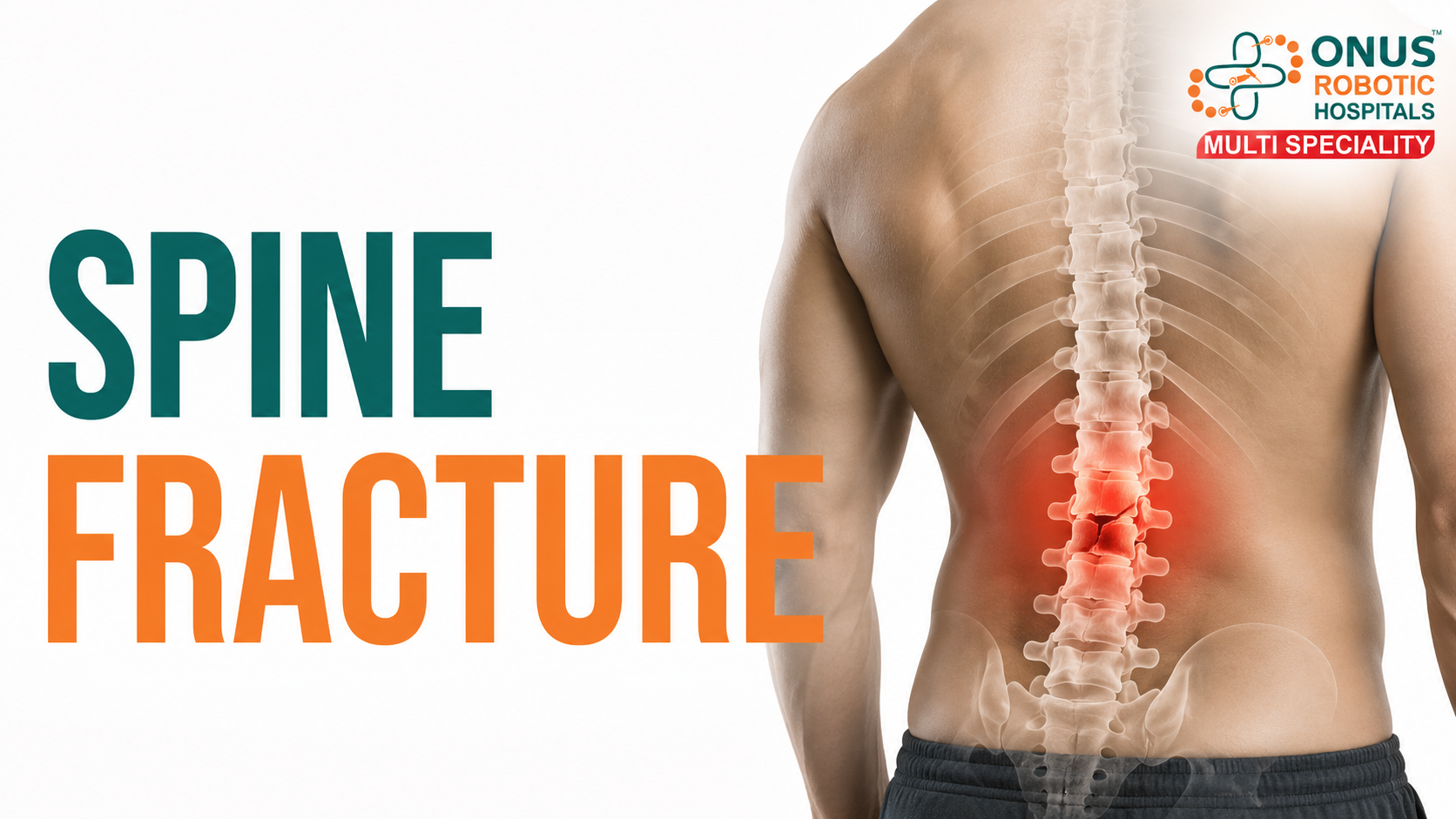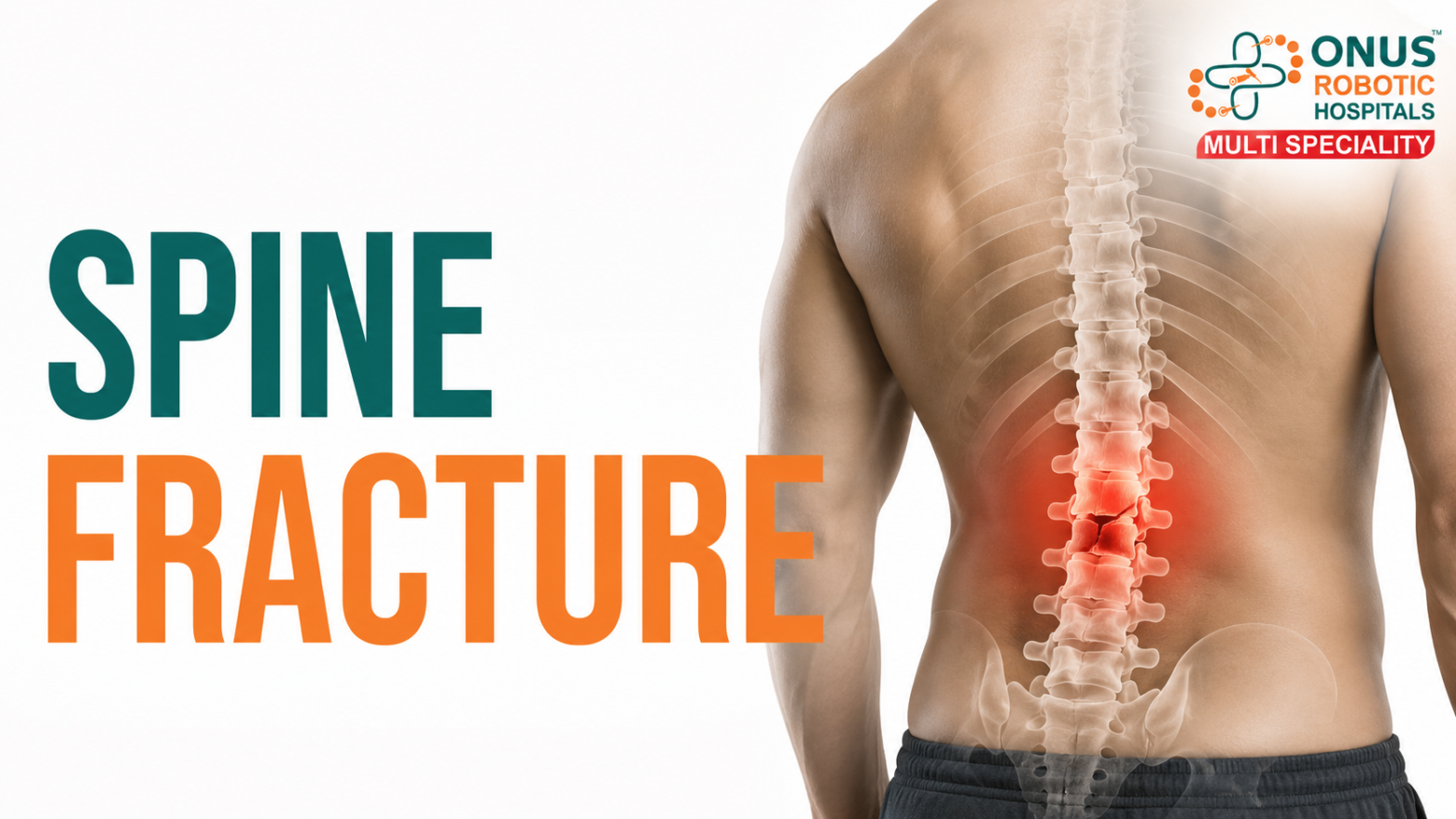
Common Symptoms of Spine Fracture
Symptoms may vary from mild to severe depending on the fracture type.
Common symptoms include:
Severe back pain
Pain after fall or accident
Pain that worsens with standing or walking
Difficulty standing or walking
Back stiffness
Pain while bending or turning
Loss of height in osteoporosis-related fractures
Hunched posture in long-standing compression fractures
Numbness, tingling, or weakness in severe cases
Difficulty controlling urine or stool in emergency nerve compression cases
If back pain starts suddenly after a fall or accident, especially in elderly patients, it should be evaluated early.
Warning Signs That Need Urgent Medical Attention
Consult an orthopedic or spine specialist immediately if you have:
Severe back pain after trauma
Back pain after a minor fall in an elderly patient
Difficulty walking or standing
Numbness or weakness in legs
Pain radiating to legs
Loss of bladder or bowel control
Spine deformity
Known osteoporosis with sudden back pain
History of cancer with new back pain
Nerve-related symptoms such as weakness, numbness, or bladder/bowel problems should be treated as urgent warning signs.
How Are Spine Fractures Diagnosed?
Diagnosis begins with a clinical examination and detailed history of injury, pain pattern, osteoporosis history, previous fractures, cancer history, and neurological symptoms.
Common investigations include:
X-Ray
X-rays help identify vertebral collapse, fracture location, spinal alignment, and bone changes.
MRI Scan
MRI is useful for identifying fresh fractures, nerve compression, spinal cord involvement, disc injury, ligament injury, infection, tumor, or marrow changes. MRI can also help distinguish old compression fractures from recent ones.
CT Scan
CT scan gives detailed bone information and is useful in trauma cases, complex fractures, or surgical planning.
Bone Density Test
In suspected osteoporosis-related fractures, bone mineral density testing may be advised to assess bone strength and future fracture risk.
Blood Tests
Blood tests may be required to assess calcium, Vitamin D, infection markers, inflammatory markers, or other underlying causes of bone weakness.
Treatment Options for Spine Fractures
Treatment depends on the type of fracture, severity, spinal stability, neurological status, age, bone quality, and pain level.
1. Pain Management
Initial treatment focuses on pain relief, rest, posture care, and safe movement. Medicines should be taken only as advised by the doctor.
2. Bracing Support
A spinal brace may be recommended to support the spine, reduce painful movement, and allow healing. Cleveland Clinic lists braces as one of the treatment options for compression fractures.
3. Physiotherapy
Physiotherapy is important after the acute pain phase. It helps improve posture, strengthen back muscles, restore mobility, reduce stiffness, and improve confidence while walking.
4. Osteoporosis Treatment
If osteoporosis is the cause, treating the fracture alone is not enough. Bone health must be improved to reduce future fracture risk. Treatment may include calcium, Vitamin D correction, lifestyle changes, fall prevention, and bone-strengthening medicines when advised. Mayo Clinic explains that osteoporosis care may include nutrition, exercise, lifestyle improvement, and medicines.
5. Vertebroplasty or Minimally Invasive Procedures
In selected painful compression fractures that do not improve with conservative care, minimally invasive procedures may be considered. Vertebroplasty is one such procedure used to relieve pain caused by spinal compression fractures, especially when osteoporosis or cancer weakens spinal bones.
6. Surgery When Required
Surgery is not needed for every spine fracture. It may be required when there is spinal instability, severe deformity, progressive collapse, nerve compression, spinal cord involvement, or failure of conservative treatment.
Surgical options depend on the condition and may include stabilization, decompression, screws, rods, or other spine fixation methods.
Can Spine Fractures Heal Without Surgery?
Yes, many stable spine fractures and osteoporosis-related compression fractures can heal without surgery with proper rest, bracing, pain control, osteoporosis treatment, and physiotherapy.
However, self-treatment is risky. A doctor must first confirm whether the fracture is stable or unstable and whether nerves are safe.
Recovery After Spine Fracture
Recovery depends on the fracture type, age, bone strength, treatment method, and physiotherapy compliance.
Recovery may involve:
Pain control
Brace use when advised
Avoiding heavy bending and lifting
Gradual walking
Back-strengthening exercises
Osteoporosis correction
Regular follow-up imaging
Fall prevention measures
Patients should avoid massage, forceful manipulation, heavy exercise, or unsupported movements without medical advice.
How to Prevent Osteoporosis-Related Spine Fractures
Prevention is especially important in elderly patients and people with weak bones.
Helpful steps include:
Check Vitamin D and calcium levels
Get bone density testing when advised
Do regular safe strengthening exercises
Improve balance and walking stability
Avoid smoking and excess alcohol
Use proper footwear
Prevent falls at home
Treat osteoporosis early
Consult a doctor after any sudden back pain
Expert Spine Fracture Care at ONUS Robotic Hospitals
At ONUS Robotic Hospitals, patients with spine fractures, osteoporosis-related vertebral compression fractures, accident-related spine injuries, back pain after falls, and trauma-related bone injuries receive advanced orthopedic evaluation and personalized treatment.
Early diagnosis with X-ray, MRI, CT evaluation, bone health assessment, bracing, physiotherapy, osteoporosis care, and surgery only when required can help patients recover safely and prevent long-term complications.
For Appointments:
Dr. Balaraju Naidu, Robotic Orthopedic Surgeon
ONUS Robotic Hospitals – Hyderabad
👉 link: contact-us or book-appointment